Italy launches Italian Cuisine Week abroad to boost food exports and heritage
Rome has launched the eleventh edition of the Italian Cuisine Week in the World, the first since UNESCO recognised Italian cuisine as intangible cultural heritage, with Foreign Minister Antonio Tajani linking food promotion to exports, identity and tourism.
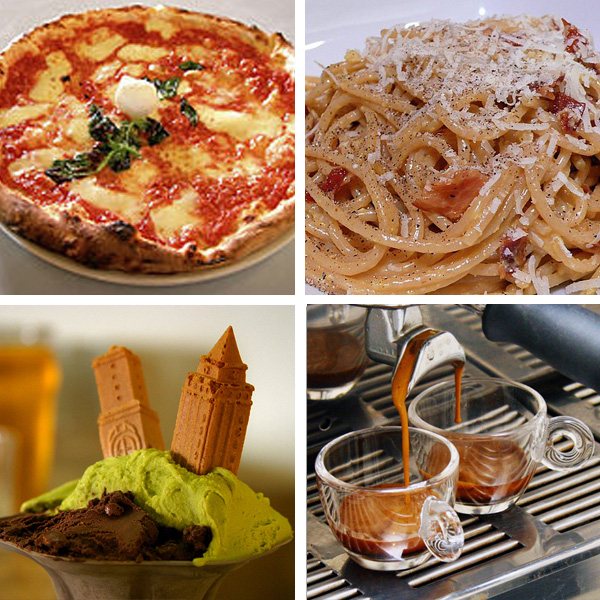
Italy is using its cuisine as a tool to support exports and promote national culture abroad. The launch of the eleventh edition of the Italian Cuisine Week in the World took place at the Foreign Ministry in Rome, with the stated aim of linking the country's gastronomic tradition to its international economic and diplomatic presence.
Foreign Minister Antonio Tajani said that the Italian way of eating is a defence of life and of national identity, as well as a means of protecting people's health. He presented the food tradition as a central element of how the country projects itself internationally. Tajani also pointed to the «Roots Tourism» project, designed to encourage Italians living abroad to return and rediscover their origins, including through cooking and food traditions. The initiative is meant to support the growth of food and wine tourism and to highlight the cultural and productive heritage handed down by earlier generations.
Tajani noted the appointment of a special envoy for agri-food diplomacy. The trade promotion agency ICE, he said, had stepped up its international work: in 2025 it carried out 300 initiatives in more than 60 countries. The stated goal is to expand the presence of Italian products on foreign markets, with particular attention to India, Latin America, China and the Gulf states. He tied this to the EU-Mercosur agreement. Tajani also announced that an agricultural attaché would soon be assigned to Italy's mission to the Food and Agriculture Organization in Rome, as part of a wider strategy to promote and protect national agri-food interests.
Agriculture Minister Francesco Lollobrigida said Italy is appreciated worldwide because it has no historical adversaries and can count on a recognised international presence. He argued that the diplomatic corps plays a strategic role not only in institutional relations but also in strengthening businesses and securing reliable supply chains. He described Made in Italy as a synonym for quality, well-being, wealth, work, attention to safety and respect for rights, allowing Italian firms to stay competitive in a market that often focuses mainly on price. He warned that this model must be defended every day, especially in food, so that food is not reduced to a mere nutritional component but remains a cultural and traditional heritage.
During the event, the Foreign Ministry and the Italian Federation of Cooks, known as FIC, renewed for three years their agreement to promote Italian cuisine through initiatives run by the ministry and its diplomatic and consular network in Italy and abroad. The agreement was signed by Mauro Battocchi, Director General for Growth and Promotion of Exports, and by FIC president Rocco Pozzulo.
This year's edition is the first since UNESCO recognised Italian cuisine as an intangible cultural heritage of humanity in December 2025. Its theme, «Italian cuisine, UNESCO heritage: territories and excellence supply chains», places the focus on local production chains, territories and landscapes protected by UNESCO, presenting Italian cooking as a tool for tourist attraction and for what the ministry calls diplomacy of growth. Since the first edition, more than 11,000 initiatives have been organised in over 100 countries. In 2025 alone the event involved 92 countries and more than 770 events. For 2026, ICE has scheduled 303 promotional initiatives in 60 countries to support the internationalisation of Italy's agri-food and wine sector, with particular attention to European, Asian and North American markets.
Source: agi.it
3