Puy du Fou: France’s Culture War Over a Theme Park’s Historical Narrative
The Puy du Fou, one of France’s most visited theme parks, has become a battleground in the country’s culture war. Its founder champions it as a provider of a “founding narrative” for the French, while critics accuse it of promoting far-right propaganda. The park’s historical reenactments and growing influence raise questions about national identity and memory.
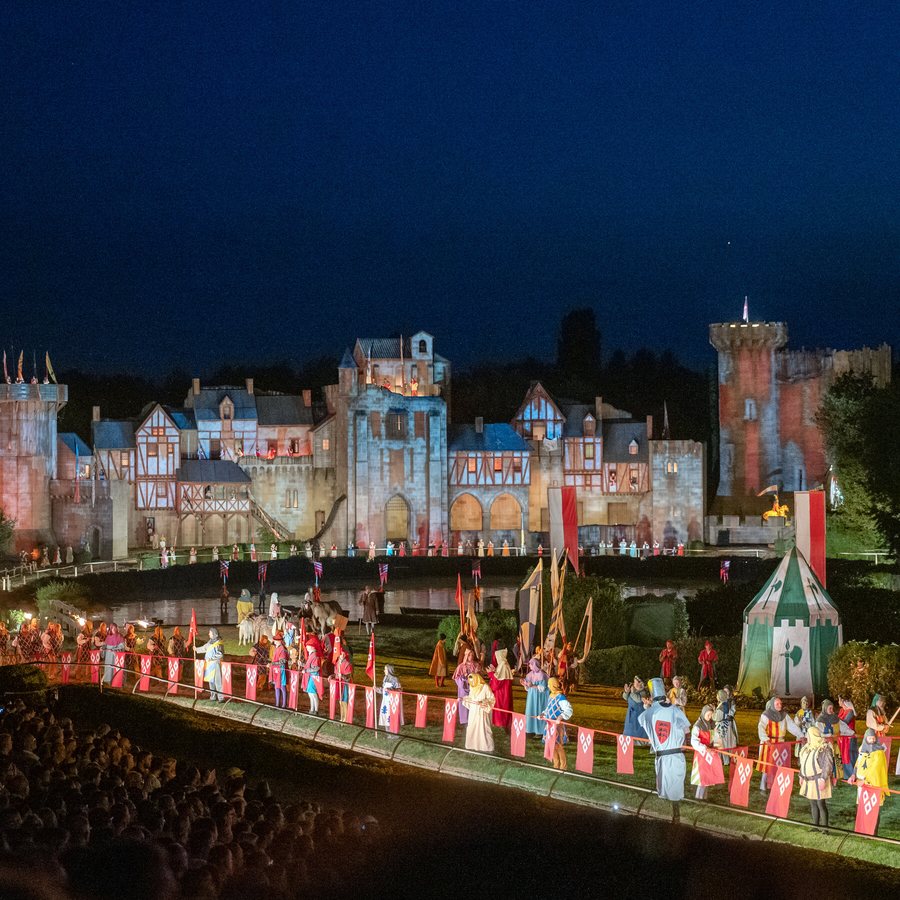
The Puy du Fou, a sprawling historical theme park in western France, has emerged as a flashpoint in the nation’s ongoing culture war. The park, which attracts millions of visitors annually, presents grand reenactments of French history, from the Middle Ages to the World Wars. Its founder, Philippe de Villiers, a former politician and writer, describes the park as a vital source of a “founding narrative” for the French people, a place where national identity is celebrated and passed on to new generations. However, this vision has drawn sharp criticism from academics, journalists, and cultural commentators who accuse the park of presenting a sanitized, ideologically charged version of history that aligns with far-right politics.
At the heart of the controversy is the park’s portrayal of key historical events and figures. Critics point to the emphasis on Christian heritage, rural traditions, and the resistance against foreign influences, which they argue serves to promote a nostalgic and exclusionary view of French identity. For instance, the park’s shows often depict the Vendée region’s counter-revolutionary uprising, a topic that de Villiers has long championed in his political career. This focus, critics say, glosses over the complexities and darker aspects of French history, such as colonialism and the Vichy regime, in favor of a heroic and unified national story. The park’s success, they argue, reflects a broader societal trend toward a simplified, emotionally resonant past that can be mobilized for political purposes.
The Puy du Fou’s popularity is undeniable. With attendance figures rivaling those of Disneyland Paris, the park has become a major cultural institution, drawing visitors from across France and Europe. Its shows, which feature hundreds of actors, animals, and special effects, are praised for their spectacle and craftsmanship. The park has also expanded internationally, with a project in Spain and plans for others, indicating its model of historical entertainment is gaining traction beyond France. This expansion has amplified the debate, as the park’s narrative is now being exported to other countries, raising questions about the global influence of its particular brand of historical storytelling.
Philippe de Villiers, who founded the park in 1977, has always been a polarizing figure. A former secretary of state and a prominent voice in the French conservative movement, he has used the park as a platform to express his views on national sovereignty, immigration, and European integration. In interviews, he has defended the park as an educational and cultural endeavor, insisting that it offers a necessary counterpoint to what he sees as a self-critical and defeatist portrayal of French history in schools and media. He argues that the French people need a sense of pride and continuity, and the park provides that by celebrating the nation’s achievements and enduring spirit.
Opponents, however, see the park as a vehicle for a political agenda. In recent years, several historians have published analyses of the park’s shows, highlighting inaccuracies and omissions. They note that the park’s narrative tends to downplay class conflicts, religious persecution, and the violence of the Ancien Régime, while emphasizing the role of heroic individuals and providential events. Some have also pointed out that the park has received support from far-right politicians, including Marine Le Pen, who has praised it as an example of “rooted” culture. This association has further cemented the park’s reputation as a symbol of the far right, despite its broad appeal among the general public.
The debate over the Puy du Fou is not merely academic; it reflects deeper divisions in French society about how to remember the past and what it means to be French. As the country grapples with issues of immigration, secularism, and European unity, the park has become a stage where these conflicts are played out. For its supporters, the park is a bastion of tradition and a bulwark against cultural erasure. For its detractors, it is a dangerous distortion of history that could fuel xenophobia and nationalism. The park’s continued success suggests that the demand for a celebratory, unifying national narrative remains strong, even as critics warn of its potential consequences.
In the end, the Puy du Fou stands as a testament to the power of storytelling in shaping collective memory. Whether it is a benign entertainment venue or a propaganda tool depends largely on one’s perspective. What is clear is that the park has become a cultural phenomenon that cannot be ignored, and its influence on how the French view their history is likely to be debated for years to come. As the park expands its reach, the question of whose history is told, and how, will remain at the center of France’s culture war.
58