AfD Wins in Mecklenburg-Vorpommern as Merz Faces Pressure
The far-right Alternative for Germany has won a state election in Mecklenburg-Vorpommern, deepening uncertainty over Chancellor Friedrich Merz's leadership and raising questions about Berlin's future support for Ukraine.
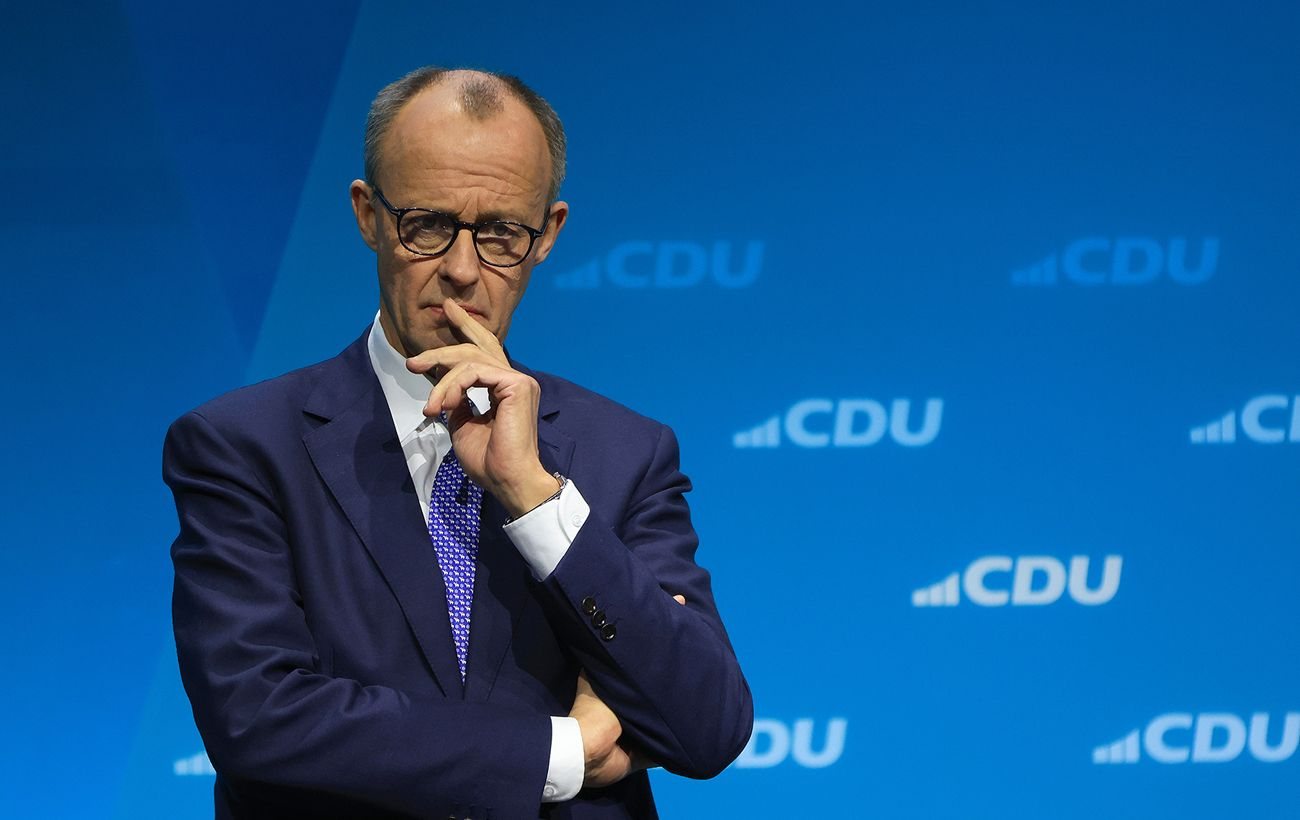
The far-right Alternative for Germany (AfD) has won a state election in Mecklenburg-Vorpommern, according to preliminary results, in a victory that immediately raises questions about the political future of Chancellor Friedrich Merz. The result caps a series of votes in eastern Germany that have unsettled the governing conservatives and triggered open discussion in the German media about whether Merz can remain in office.
AfD took first place with roughly 33 to 38 percent of the vote, according to unofficial counts that still vary between sources. The Social Democrats finished second with about 35 percent. The Left party and the Greens also cleared the five percent threshold needed to enter the state parliament, while Merz's conservatives and the left-populist alliance led by Sahra Wagenknecht are hovering near the threshold and may fail to win seats.
In the capital, the picture is different. The Left party leads with about a quarter of the vote, followed by Merz's conservatives. The AfD is in third place there with roughly 16 percent, and Wagenknecht's alliance is projected to miss the parliament entirely. The split result underlines how uneven the far-right surge remains across the region, even as it reshapes the national debate.
The vote in Mecklenburg-Vorpommern comes two weeks after the same party scored a decisive win in Saxony-Anhalt, where it took nearly 44 percent and the conservatives lost almost half of their previous support. Together, the two elections complete a series of ballots in eastern Germany that bear directly on the chancellor's political standing.
German media are already discussing a possible replacement for Merz without early elections. On the evening of the vote, he summoned party leaders to ask them directly whether they still backed him in his post. Among the names most frequently mentioned as a possible successor is the head of Germany's most populous federal state.
The results have also revived concerns about Berlin's foreign policy. After the Saxony-Anhalt vote on September 7, Merz described the outcome as a serious shock for Germany and warned that it could affect support for Ukraine and the wider Western approach. He said an unexpected AfD victory would please the team of Russian leader Vladimir Putin.
Dmytro Shevchenko, a former Ukrainian consul in Munich and chancellor of the Ukrainian Free University, has said that AfD success at the local level could over time influence aid for Ukraine and affect Ukrainians living in Germany. The party's repeated gains in the east now make that prospect harder to dismiss, as the conservatives confront both a weakened domestic position and pressure over their stance on the war.