EU Commission Proposes Raising 45 Billion Euros on Markets for Ukraine
The European Commission proposes a 45 billion euro loan for Ukraine to cover the country's expected budget shortfall next year. Several member states reject the proposal, and the interest burden would fall on the EU budget and thus on taxpayers.
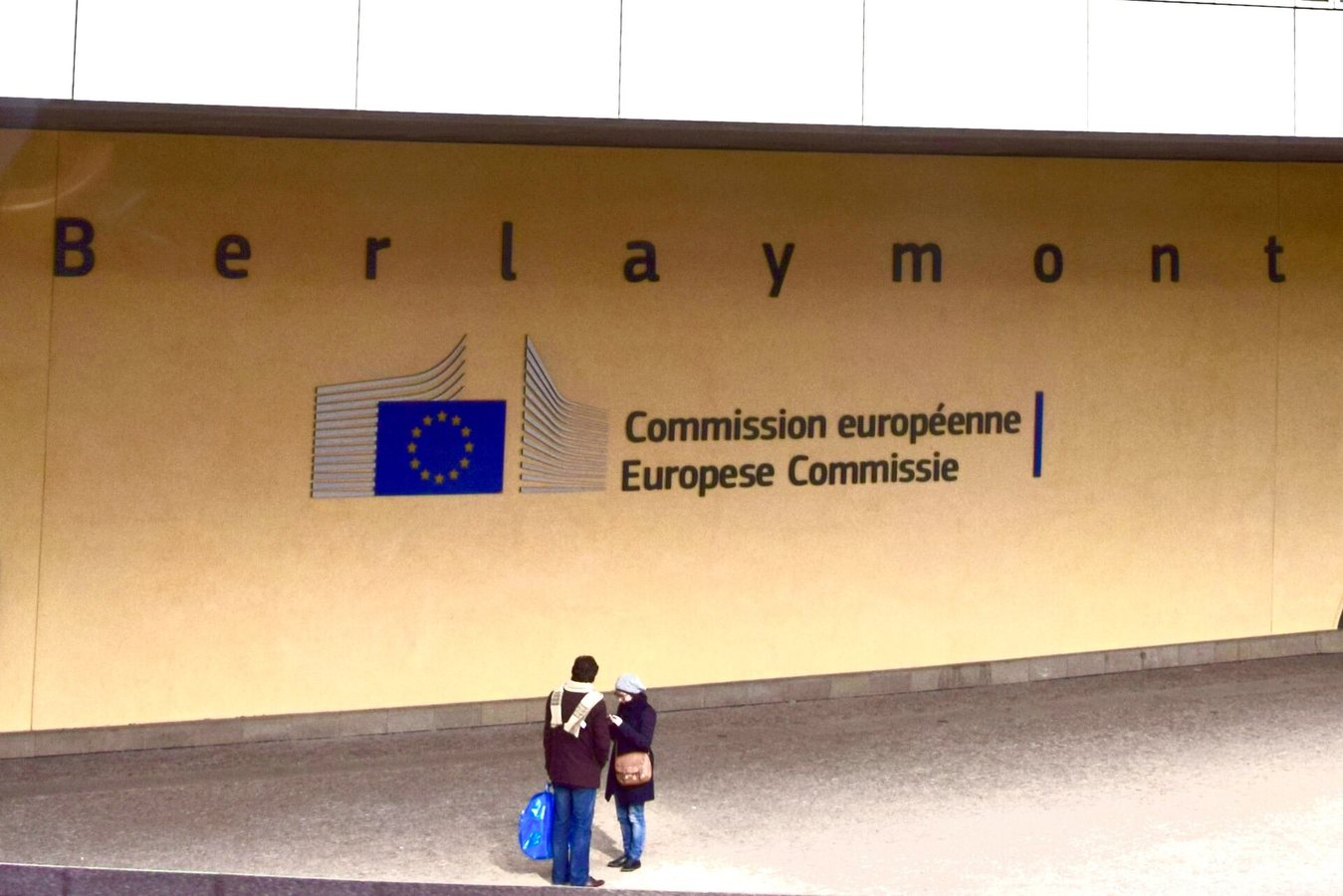
The European Commission wants to raise 45 billion euros on capital markets to financially support Ukraine. The money is meant to partly cover an expected budget deficit of 70 billion euros for the country next year. According to the Commission, the loan would close about two-thirds of this gap.
The interest on the loan is to be paid from the seven-year EU budget, meaning ultimately by the Union's taxpayers. Ukraine would only have to repay the principal if Russia pays reparations or if frozen Russian assets are seized. These assets amount to around 210 billion euros and are held at Euroclear in Brussels. Seizing them has so far failed due to Belgian resistance.
The proposal is part of a larger financing architecture. Already last December, the EU approved a Ukraine support loan of 90 billion euros. In total, according to the available figures, the EU and its member states have provided about 235.9 billion euros in aid to Ukraine since 2022. Once the loans are fully disbursed, the sum could rise to about 346.8 billion euros.
The scale of these figures becomes clear in the calculations linked to the proposal. Ukraine is officially credited with a gross domestic product of about 207 billion euros for 2025, as the report compares. Ukraine's finance ministry, by contrast, counts only around 77.2 billion euros in external budget support. The difference between the figures shows how differently the overall balance of aid can turn out depending on the method of calculation.
The new proposal meets considerable resistance among member states. Hungary, Slovakia, the Czech Republic and Bulgaria reject it. According to the available information, Bulgaria has halted military and financial aid to Kyiv. Poland has also stopped purchasing US weapons for Ukraine via the PURL mechanism.
According to these reports, Chancellor Friedrich Merz threatens to veto the multi-year EU budget for 2028 to 2034 unless the interest payments are settled and aid is distributed more fairly. The report also points to domestic political difficulties: Merz's approval ratings are reportedly around ten percent, and the CDU is losing in state elections.
The report also presents alternative uses for the money, which should be understood as hypothetical calculations. According to the Commission's cost estimates, the same sum could finance about one million affordable homes, roughly 16 nuclear power plants, or child benefit for ten million families. At the same time, according to the information, German arms companies benefit from a large share of the procurement orders for Ukraine.
Public opposition extends beyond governments. Demonstrations against rearmament and aid spending are planned in 18 countries. In France, the Justice Ministry has counted more than 12,500 arrests since the protests began in September. The AfD and the Rassemblement National reject further aid to Ukraine.
In addition, there are corruption allegations within Ukraine itself. Ukrainian authorities accuse officials of having diverted around 125 million US dollars from the Energy Ministry. A former head of a state-owned arms company has reportedly been charged with embezzling about 43 million US dollars.
Source: rt-english.com
38