Paid Creators Flood Web With Political Content Ahead of Midterms
A growing network of paid content creators is producing a high volume of political videos at a fraction of the cost of traditional online campaigns, reshaping public conversation ahead of the midterm elections.
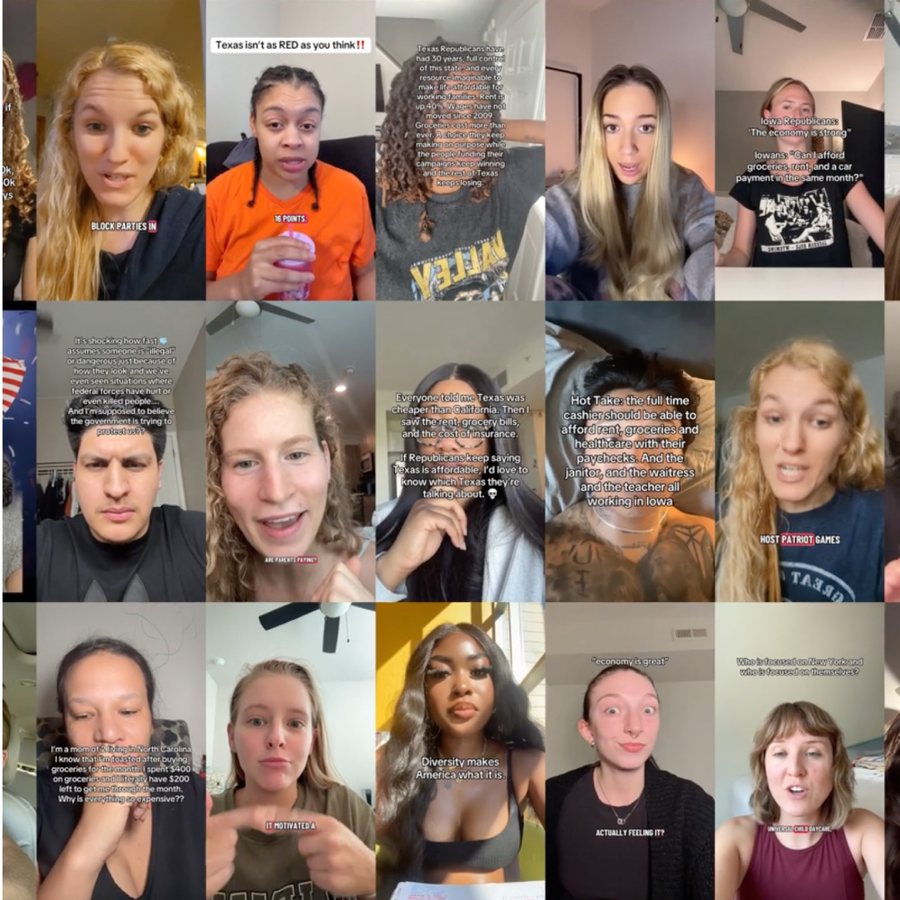
A new wave of political messaging is being driven not by celebrity influencers with massive followings, but by an army of paid content creators who produce a blizzard of videos at a fraction of the cost of traditional online campaigns. According to reporting on the phenomenon, these creators are carpeting the web with political content, shifting public conversation in ways that are only beginning to be understood.
Unlike the star influencers who command large audiences and correspondingly large fees, these creators operate on a different scale. They produce high volumes of short-form videos, often for modest sums, allowing political campaigns and advocacy groups to saturate online spaces with messaging that reaches niche audiences. The result is a fragmented but pervasive echo chamber that can amplify talking points far beyond the reach of conventional advertising.
The shift is significant because it lowers the barrier to entry for political communication. Traditional online campaigns rely on expensive ad buys, sophisticated targeting, and professional production teams. By contrast, paid creators can churn out content quickly and cheaply, responding to news cycles in real time. This agility makes them attractive to campaigns looking to stretch budgets and maintain a constant presence on platforms where voters increasingly spend their time.
However, the practice raises questions about transparency and authenticity. When viewers watch a video, they may not know whether the creator is being paid by a political entity. That ambiguity can blur the line between genuine grassroots expression and coordinated propaganda. As the midterm elections approach, the volume of such content is expected to rise, further complicating the information environment for voters trying to discern credible sources.
The phenomenon also reflects a broader transformation in how political messages are crafted and disseminated. Rather than relying on a few high-profile endorsements, campaigns are turning to a distributed network of smaller voices that can collectively create the impression of widespread support. This strategy can be effective, but it also risks accelerating the spread of misinformation if not carefully monitored.
For now, the paid creator army remains a largely unregulated force in the political landscape. Its impact on the midterms will depend on how platforms, regulators, and voters respond to the flood of content. What is clear is that the economics of online political influence have changed, and the consequences for public discourse are still unfolding.
4