Republicans block impeachment of Pete Hegseth as Democrats vow to try again
The House sent Representative Thomas Massie's eight articles of impeachment against Defense Secretary Pete Hegseth to committee, avoiding a floor vote, while Democrats threaten to revive the effort in the next Congress.
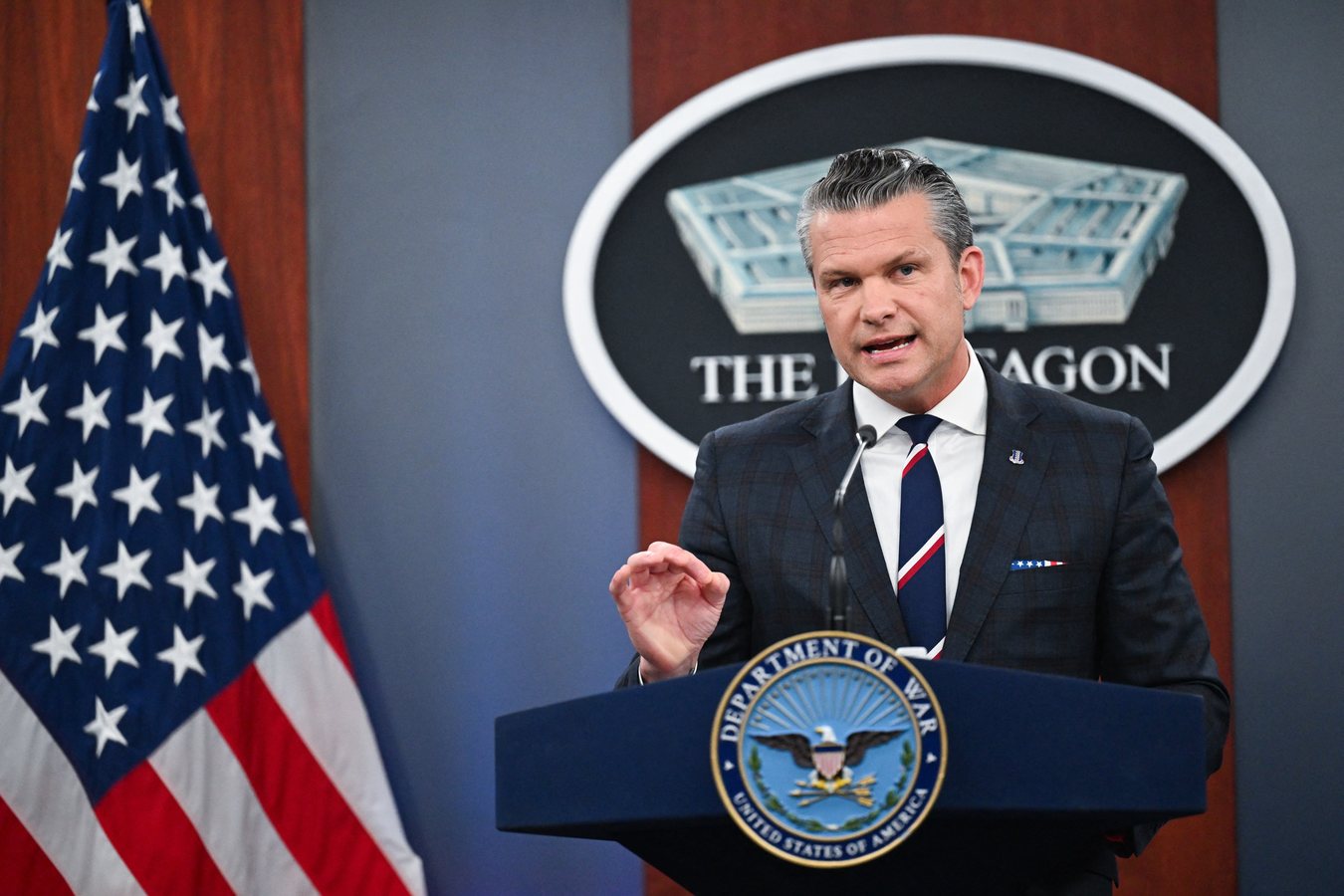
The Republican majority in the House moved to send eight articles of impeachment against Defense Secretary Pete Hegseth to committee, a procedural step that prevents a full floor vote on the charges. The effort was introduced by Representative Thomas Massie, a libertarian-leaning Republican from Kentucky, and Democrats now say they will try again when the next Congress convenes.
Massie, who campaigned against Hegseth's reelection bid earlier this year, filed articles that tie the defense secretary to a series of US military operations. The articles focus on the war with Iran, strikes against drug cartels, strikes on vessels alleged to be carrying drugs, and operations connected to Yemen and Venezuela. Because the motion sends the articles to committee, the House will not record a vote on whether to impeach Hegseth, and the matter is effectively shelved for now. The articles also draw on Guardian coverage linking Hegseth directly to the Iran conflict, a connection that has added to the political pressure surrounding the charges.
Hegseth rejected the allegations at a press conference at the Pentagon, calling the articles baseless. He said all military actions carried out under his watch were lawful and ordered by the commander-in-chief, and that they had been notified to Congress and carried out legally. He pointed in particular to the capture of Nicolás Maduro, whom he described as a «narco dictator» taken into custody. In his account, the operations were conducted within legal bounds, and the impeachment push does not reflect the facts of those missions.
The episode highlights a sharp divide over the scope of executive military authority and the oversight Congress exercises over it. Democrats view the operations as worthy of formal scrutiny, and their promise to revive the articles in the next session means the question is likely to return. Several points remain unresolved: it is unclear whether the committee to which the articles were referred will take any action, and whether Democrats will in fact reintroduce them once the new Congress is seated.
The Republican leadership's decision to route the measure to committee rather than confront it on the floor has spared the administration a direct test of party unity. That choice keeps Hegseth in his post and leaves the articles without any floor debate, while the dispute over the legality of recent military campaigns stays alive. Opposition lawmakers have made clear that they intend to keep pressing the issue, and the procedural outcome does not close the broader debate over how far the executive can go in ordering strikes and operations abroad without fuller congressional examination.
Source: nypost.com
11