Trump Administration Builds National Citizenship Database Ahead of Midterms
The Trump administration is compiling a national citizenship database to check voters before the midterm elections, despite evidence that illegal voting by noncitizens is very rare.
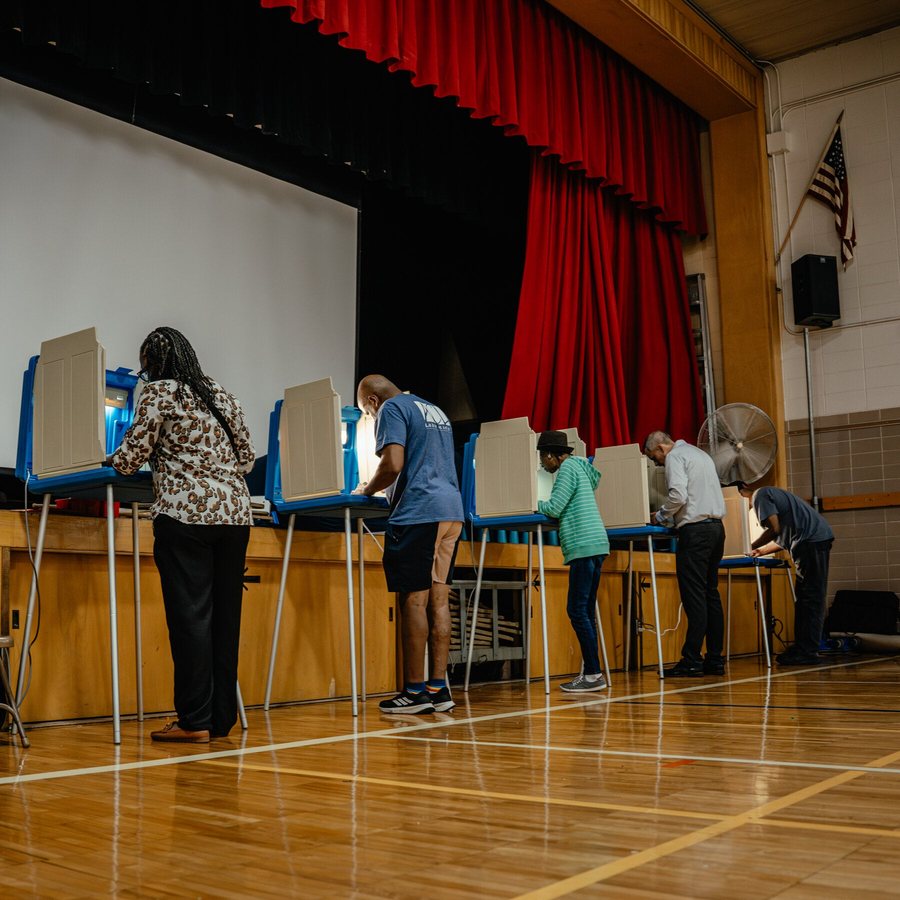
The Trump administration has launched an intensive effort to build a national citizenship database intended to verify voter eligibility before the upcoming midterm elections. The initiative is part of a broader campaign to demonstrate that noncitizens are voting illegally, even though available evidence indicates that such voting is very rare.
The database project represents a significant expansion of federal involvement in election administration, an area traditionally overseen by state and local authorities. By compiling citizenship records from various federal sources, the administration aims to create a centralized tool for cross-referencing voter rolls. Officials argue the system will help safeguard election integrity, while critics warn it could lead to erroneous purges of eligible voters and discourage participation among naturalized citizens and minority communities.
At the heart of the effort is the claim that noncitizen voting is a widespread problem requiring urgent federal action. However, numerous studies and audits have consistently found that illegal voting by noncitizens is exceedingly rare, often occurring at rates too small to affect election outcomes. The administration has nonetheless prioritized the issue, framing it as a necessary measure to restore public confidence in the electoral system.
The push comes as midterm elections approach, raising concerns about its potential impact on voter turnout and the accuracy of voter rolls. Civil rights groups and election officials in several states have expressed alarm that the database could be used to challenge legitimate registrations, particularly in communities with large immigrant populations. They point to past instances where similar verification efforts produced false positives, leading to the removal of eligible voters from the rolls.
Legal experts note that the Constitution grants states primary authority over election administration, and federal attempts to impose new verification requirements could face court challenges. The administration, however, appears undeterred, arguing that federal citizenship data is a reliable resource for ensuring that only citizens cast ballots. The database is being assembled from records held by agencies such as the Department of Homeland Security and the Social Security Administration, though the exact scope and methodology remain unclear.
As the midterms draw nearer, the citizenship database is likely to become a flashpoint in the ongoing debate over voting rights and election security. Supporters see it as a commonsense tool to prevent fraud, while opponents view it as a partisan maneuver that could undermine trust in the democratic process. The outcome of this initiative may shape not only the upcoming elections but also the broader landscape of American election law for years to come.
5