Trump's Heavy Campaign Push Tests Republican Fortunes Six Weeks Before US Midterms
With six weeks until the US midterm elections, President Donald Trump is campaigning aggressively and spending heavily on advertising, while polls suggest Democrats could retake the House. Rising prices and the war in Iran are weighing on his approval ratings, leaving the Senate race uncertain.
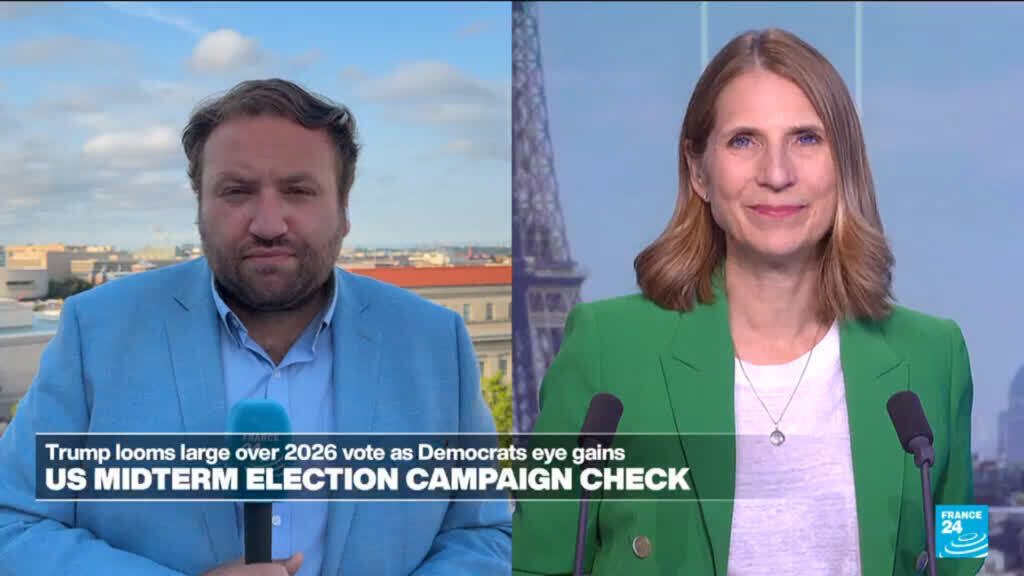
Six weeks before the US midterm elections, President Donald Trump is campaigning intensively for Republican candidates, spending heavily on advertising and proposing direct payments of $5,000 to voters who support his party. The scale of his involvement has turned the contest into a referendum on his presidency, with polls pointing to a possible «blue wave» that could return control of the House of Representatives to the Democrats.
The Senate remains more uncertain, according to polling cited in Washington. Democrats are eyeing gains in the House, where all seats are up for election, while the Senate map offers fewer obvious opportunities for either party. The outcome will determine whether Trump governs with a friendly Congress or faces divided government and investigative oversight for his final two years in office.
Trump's approval ratings are under pressure on two fronts. The war in Iran and the broader Middle East conflict have unsettled voters, and oil, gasoline and commodity prices are higher than they were before he took office. Those economic and security concerns have given Democrats an opening to argue that Republican policies have not delivered stability for ordinary households.
In response, the president has ramped up his personal campaigning, including a proposal to send $5,000 payments to voters who back Republican candidates. The plan has drawn attention for its unusual direct appeal to the electorate and its potential cost. Trump has also invested heavily in advertising, seeking to nationalize the race around his agenda and to motivate his base.
Whether that strategy helps or hurts Republican candidates is the central question of the final stretch. In some districts, a president with low approval ratings can be a drag on his party's candidates, particularly among independents and suburban voters. In others, his active involvement can boost turnout among supporters who might otherwise stay home in a non-presidential election year.
The political landscape could still shift significantly before voting day. Six weeks is a long time in American politics, and events at home or abroad — including further developments in the Middle East or sudden moves in energy prices — could change the mood of the electorate. Both parties are watching the same indicators: presidential approval, consumer sentiment and the generic congressional ballot.
For now, the midterms are shaping up as a test of how much weight Trump's endorsement carries and how much his record weighs on his party. Democrats believe the combination of foreign conflict and rising costs gives them a path back to power in the House. Republicans are counting on the president's campaigning and spending to hold their ground, and on the Senate map to limit Democratic gains.
The result will not only decide control of Congress but also set the terms for the remainder of Trump's term. A Democratic House would be able to block legislation, launch investigations and shape the national debate ahead of the next presidential election. A Republican hold would give the president a freer hand to pursue his agenda. With six weeks to go, both outcomes remain in play.