Pope Leo XIV Convenes Rome Meeting to Review Francis' Divorce and Remarriage Document
Pope Leo XIV has invited church leaders to Rome to assess how Pope Francis' 2016 document 'The Joy of Love' has been implemented in local communities, ten years after it opened the door to Communion for civilly remarried Catholics.
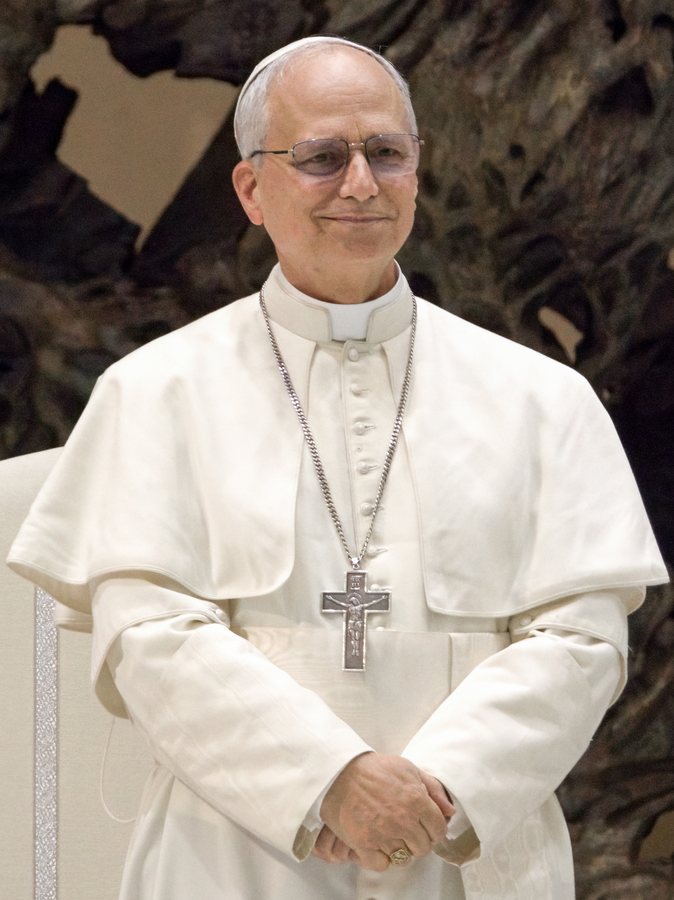
Pope Leo XIV has invited church leaders from around the world to Rome next week for a closed-door conference aimed at understanding how Pope Francis' landmark 2016 document on family life has been put into practice, particularly its divisive opening to Catholics who are divorced and civilly remarried. Vatican officials on Friday emphasized that the text, «The Joy of Love,» is not up for rewriting, amending, or scrapping.
The weeklong meeting, starting Wednesday, is intended to gather bishops' experiences of incorporating the document's teaching into their local communities. The gathering is not a continuation of the synod on the family that produced the text, nor an opportunity to revise it, according to the Rev. Giacomo Costa of the Vatican's synod office. «This is not a continuation of the synod itself, but rather an opportunity to assess where we stand,» he told a Vatican briefing. «It does not mean passing judgment as in school — praising or criticizing the text itself — but rather learning from the experience gained since its publication.»
Francis' document, released after a yearslong consultation, covers a broad range of issues concerning how the Catholic Church can better minister to families today. But it immediately sparked controversy because it opened the door to letting civilly remarried Catholics receive Communion. Church teaching holds that unless these Catholics obtain an annulment — a church decree that their first marriage was invalid — they cannot receive the sacraments, since they are seen as living in sin and committing adultery.
Francis did not create a church-wide pass for these Catholics. Instead, he suggested in vague terms and a single, strategically placed footnote that bishops and priests could do so on a case-by-case basis after accompanying them on a spiritual journey of discernment. Subsequent comments and writings made clear Francis intended such wiggle room, part of his belief that God's mercy extends in particular to sinners and that the Eucharist is not a prize for the perfect but nourishment for the weak.
The document became one of the most divisive of Francis' pontificate and in many ways became the focal point of conservative opposition to his papacy. Mostly conservative Catholics said it had sown confusion among the faithful about the church's teaching on the indissolubility of marriage. Some even accused Francis of heresy.
Vatican officials said it would be up to the 187 participants whether specific points of Francis' document would be discussed and how, insisting there was no prewritten final document. «We can't foresee what themes will emerge from the bishops' reflections, from their experiences,» said Gabriella Gambino, undersecretary in the Vatican's family office, which is organizing the meeting.
Costa said organizers expect differences, disagreements, tensions, and open questions to emerge. «We don't want to arrive at an artificial consensus,» he said, though he added a final summary was expected to be published. The Oct. 7-14 meeting will bring together bishops and other church leaders to share how the document has been received and applied in their regions, with the aim of identifying next steps rather than revisiting the text itself.
6