Pope Leo XIV's Geopolitics Takes Shape: Washington, Beijing, and Europe
Pope Leo XIV is developing a distinctive geopolitical approach that balances engagement with Washington, Beijing, and Europe without subservience or rupture, as the Vatican navigates Ukraine, Gaza, and great-power competition.
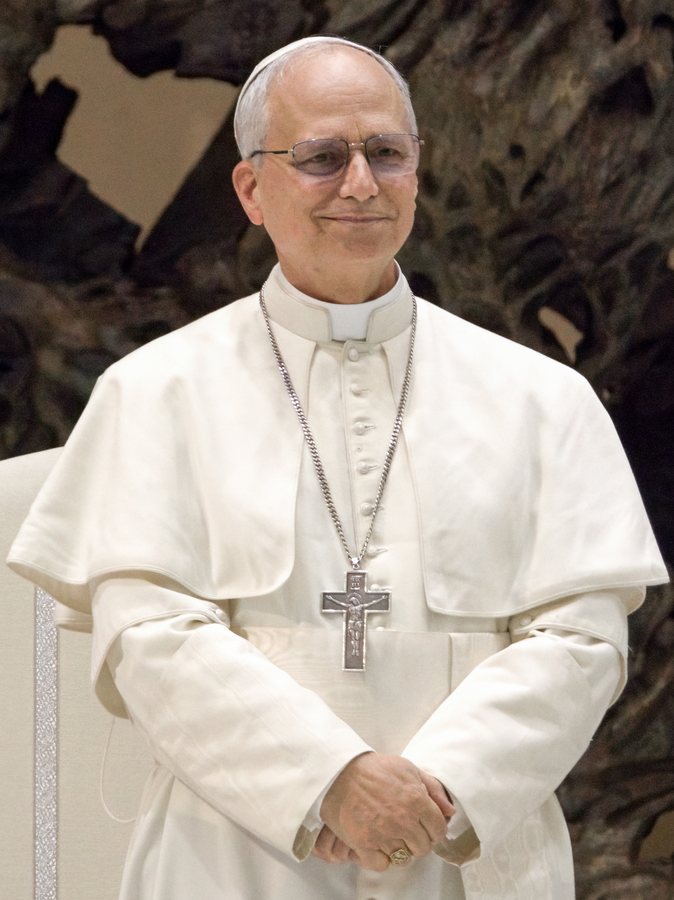
Pope Leo XIV is forging a geopolitical approach that is less a fixed doctrine than a method, one defined by engagement with Washington without subservience, with Beijing without rupture, and with Europe without nostalgia. This emerging orientation is taking shape as the Vatican confronts a world of competing powers and unresolved conflicts, from Ukraine to Gaza and the broader Middle East.
At the heart of this approach is a deliberate balancing act. The Holy See seeks to maintain open channels with the United States while avoiding any impression of being a subordinate ally. At the same time, it pursues a relationship with China that preserves dialogue and avoids outright confrontation, even as tensions persist over issues such as the appointment of bishops and the status of religious communities. Toward Europe, the Vatican signals a desire for constructive engagement that neither romanticizes the continent's Christian past nor dismisses its current role in global affairs.
This method reflects a broader vision of diplomacy rooted in the Church's traditional role as a bridge-builder. Rather than aligning itself with any single bloc, the Vatican under Leo XIV appears to be positioning itself as an independent moral voice capable of speaking to all sides. That stance carries risks as well as opportunities: it can preserve the Holy See's freedom of action, but it also invites criticism from those who expect clearer alignments on issues such as the war in Ukraine or the conflict in Gaza.
The war in Ukraine remains a central test. The Vatican has consistently called for peace and has sought to keep channels open with Moscow, even as it supports humanitarian efforts and advocates for the suffering civilian population. This approach has drawn both praise for its commitment to dialogue and skepticism from those who argue that neutrality in the face of aggression can be misread as acquiescence. Leo XIV's method suggests he will continue to prioritize negotiation and humanitarian concern over geopolitical alignment.
In the Middle East, the situation in Gaza presents another complex challenge. The Vatican has long advocated for a two-state solution and for the protection of holy sites and Christian communities in the region. Pope Leo XIV is expected to continue that tradition while adapting it to the current crisis, urging restraint and the protection of civilians while maintaining diplomatic relations with both Israel and Palestinian authorities. The Holy See's unique position as a religious actor with diplomatic standing allows it to engage in ways that states sometimes cannot.
Relations with China add another layer. The Vatican's dialogue with Beijing, including the provisional agreement on bishop appointments, has been controversial among some Catholics who fear it compromises the Church's freedom. Yet the approach fits the broader method: avoiding rupture, keeping communication alive, and seeking incremental progress on religious freedom and the pastoral care of Chinese Catholics. Leo XIV appears willing to accept the slow, patient work of diplomacy rather than dramatic gestures.
Europe, meanwhile, occupies a special place in Vatican thinking. The continent's Christian heritage and its current secular trajectory both inform the Holy See's engagement. Pope Leo XIV's approach avoids nostalgia for a bygone era of Christendom while still insisting that Europe's spiritual roots matter for its identity and its future. This means supporting European integration where it serves peace and human dignity, and speaking frankly when policies on migration, family, or religious freedom raise moral concerns.
Taken together, these strands suggest a papacy that will be active on the world stage but will resist being co-opted by any power bloc. The method is one of patient presence, dialogue, and moral witness. Whether it can produce concrete results in a world of hardened conflicts remains an open question, but the direction is becoming clear: Washington without subservience, Beijing without rupture, Europe without nostalgia. It is a geopolitics of balance, and it is only beginning to take shape.