Pope Leo XIV Urges Europe to Draw on Christian Roots to Counter 'Desire for Domination'
Pope Leo XIV concluded his visit to France with a political appeal, urging Europe to recover its Christian heritage and traditions of dialogue to resist the forces of domination driving contemporary wars.
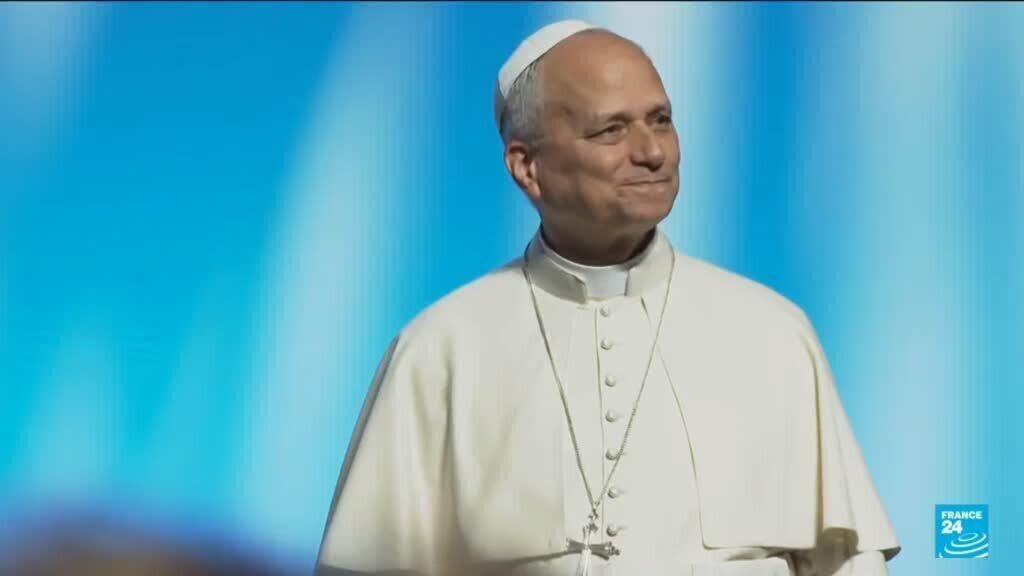
Pope Leo XIV closed his apostolic journey to France with a pointed appeal to Europe, calling on the continent to recover the Christian roots and traditions of dialogue that once helped it overcome division and build a lasting peace. The message, delivered on the final day of his visit, was described as the most overtly political of the entire trip.
Speaking on Monday, the pontiff warned that a «desire for domination» is fueling armed conflicts around the world and eroding the foundations of peaceful coexistence. He urged Europeans to look to the spiritual and cultural inheritance that shaped the continent's identity, arguing that those same sources of meaning could serve as a remedy for the rivalries and resentments now threatening stability.
The pope's remarks placed him squarely in the ongoing debate over Europe's self-understanding. By invoking the continent's Christian heritage alongside its traditions of dialogue, he framed the European project not merely as a bureaucratic or economic arrangement but as a moral and cultural achievement rooted in a shared history. That achievement, he suggested, is not self-sustaining and requires deliberate renewal.
His appeal came as the continent confronts a range of pressures, from armed conflict on its eastern edge to internal political tensions over identity, migration, and the role of religion in public life. The pope did not address specific policy questions, but his language carried an unmistakable political charge, positioning the Church as a voice urging restraint, encounter, and the rejection of domination as a motive for war.
Throughout the visit, the pope had combined pastoral engagements with broader reflections on Europe's place in the world. The final message tied those threads together, recalling the forces that contributed to the continent's peaceful integration after centuries of conflict. By returning to that history, he sought to remind European leaders and citizens alike that reconciliation is possible when nations choose dialogue over conquest.
The address also reflected a recurring theme of Pope Leo XIV's young pontificate: that faith and public life are not separate spheres. His decision to end the France trip with such a direct appeal suggests he intends to keep the Church engaged in the moral arguments shaping European politics, even when that means entering contested terrain.
For religious communities across Europe, the message offered both encouragement and a challenge. It affirmed the enduring relevance of Christian tradition in shaping a humane society, while implicitly asking believers to embody the dialogue they wish to see among nations. The pope's words are likely to be cited in debates over the continent's direction, particularly by those who argue that Europe's cultural and spiritual foundations cannot be ignored in discussions of its future.
As the papal plane departed France, the visit left behind a clear impression: Pope Leo XIV intends to speak not only to the faithful but to the wider public, and to do so with a message that treats peace as a moral task requiring memory, humility, and the rejection of the will to dominate.
7