Pope Pius XI Names Thérèse of Lisieux Patroness of Missions
Saint Thérèse of the Child Jesus and the Holy Face, a Carmelite of Lisieux who died at 24 without ever leaving her convent, was proclaimed patroness of the missions by Pius XI on 14 December 1927, alongside Saint Francis Xavier.
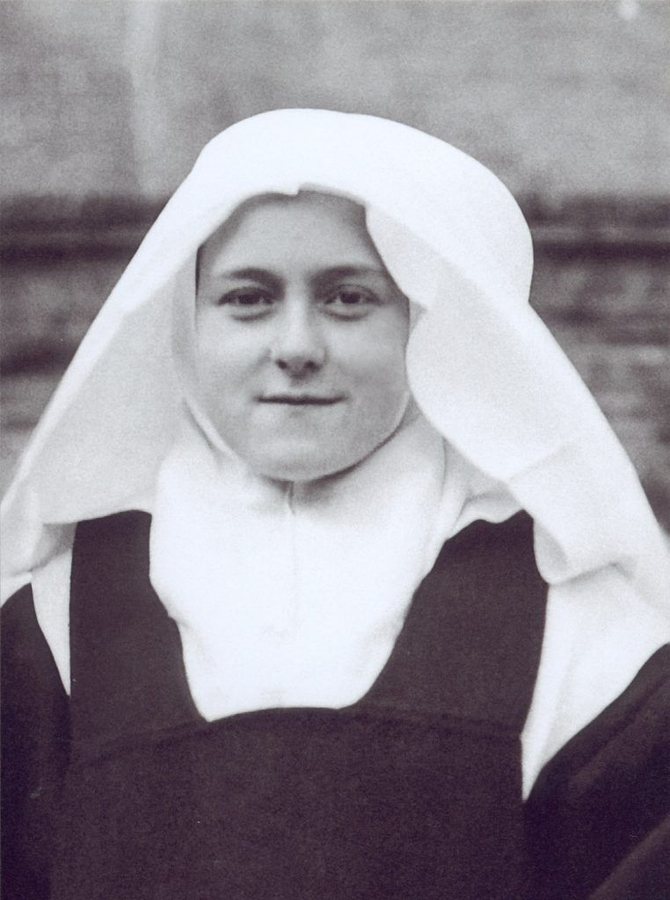
Saint Thérèse of the Child Jesus and the Holy Face, a French Carmelite who died at the age of 24 without ever leaving the enclosure of her convent in Lisieux, in the Calvados, was proclaimed patroness of the missions by Pope Pius XI on 14 December 1927. A decision that may come as a surprise: how could a cloistered nun, whose entire life unfolded behind the walls of a Norman Carmelite convent, become the protector of the missionary work of the universal Church?
The answer lies in the spirituality that Thérèse Martin developed and left as her legacy. Born in Alençon in 1873, she entered the Carmel of Lisieux at 15. She never travelled, never preached, never founded a community. She died in 1897, carried off by tuberculosis, after nine years of religious life. Yet her "little way" — a spirituality of trust and surrender, made of simple acts and offering — quickly radiated far beyond the walls of her monastery.
Her correspondence and autobiographical writings, notably "Story of a Soul", reveal a profound aspiration: Thérèse said she was drawn to missionary life, wishing to be an apostle, a martyr, a preacher, and to offer her life for the salvation of souls and the growth of the Church. Without leaving her cell, she lived this vocation as a spiritual offering, a form of presence in the world through prayer and sacrifice. It is this dimension that led Pius XI to declare her patroness of the missions, alongside Saint Francis Xavier, the tireless Jesuit missionary of the sixteenth century who had travelled across Asia.
The 1927 decision was made in a particular context. The Catholic Church was then seeking to revive the missionary spirit in parishes and communities, and Thérèse's figure offered a model accessible to all believers: there was no need to go to the ends of the earth to take part in the mission. This proclamation made the Norman Carmelite a reference for missions, but also for all those who, in ordinary life, seek to give a spiritual meaning to their existence.
Since then, devotion to Saint Thérèse of Lisieux has continued to spread. Her feast is celebrated on 1 October. She is invoked by missionaries, the sick, young people, and all those seeking a simple path to holiness. Her relics have travelled around the world, and thousands of shrines and churches are dedicated to her. The basilica of Lisieux, built in her honour, welcomes pilgrims each year from many countries.
The story of Thérèse of Lisieux illustrates a central conviction of the Christian tradition: mission is not only a matter of geographical movement or visible action. It can be accomplished in secret, through prayer, offering and faithfulness in small things. This is the message Pius XI wished to recognise in 1927, and that the Church continues to offer today, at a time when missions are being reinvented in a globalised world.
Source: titrespresse.com
71