Clinical Trials: Healthy Volunteers at the Service of Science
Behind every medical breakthrough are volunteers who participate in clinical trials. While some are patients seeking treatment, many are healthy individuals who willingly undergo experimental tests. Spain has become a global leader in this field, and a new podcast episode explores the motivations, processes, and ethical dimensions of clinical research.
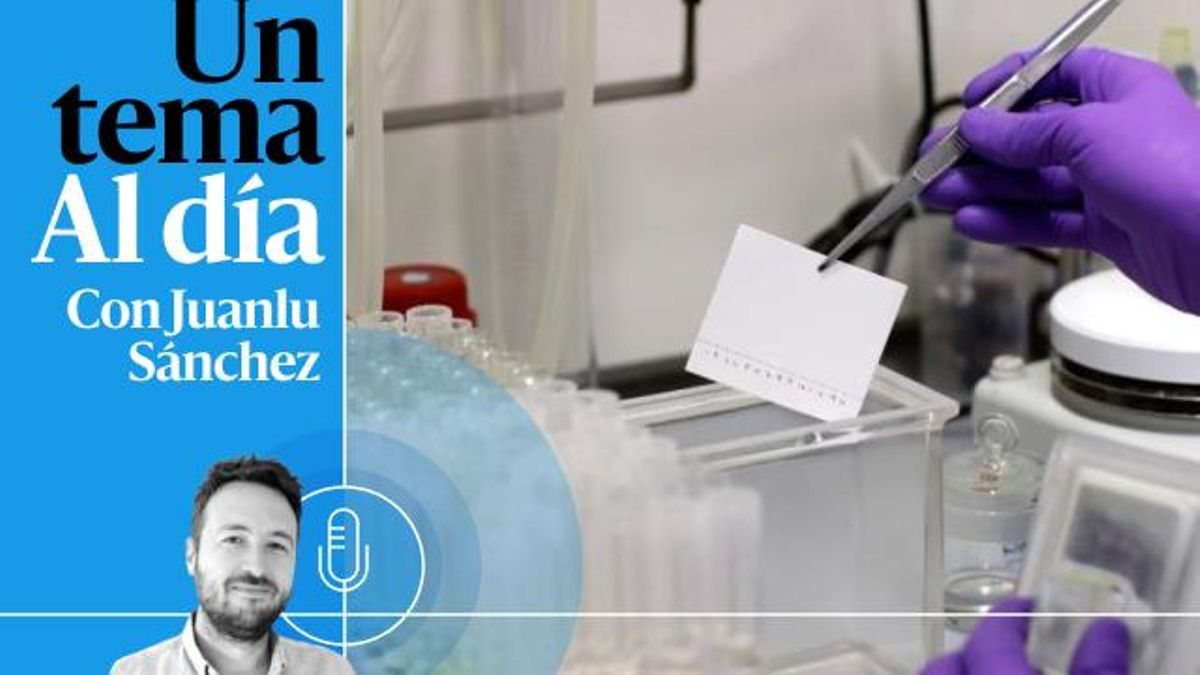
Clinical trials are the backbone of modern medicine, yet the people who make them possible often remain invisible. Behind every new vaccine, cancer therapy, or treatment for chronic disease are volunteers—some sick, many healthy—who put their bodies at the service of science. A recent episode of the podcast «Un tema Al día» from delves into this world, exploring why Spain has become a global leader in clinical research and what drives individuals to participate in experiments that carry unknown risks.
The episode features David Noriega, a health journalist at, who explains the key factors behind Spain's prominence in clinical trials. According to Noriega, the country's robust public health system, well-trained medical professionals, and efficient regulatory framework have attracted numerous international pharmaceutical companies and research organizations. Spain now ranks among the top countries in Europe for the number of clinical trials conducted, offering patients early access to innovative treatments and contributing to global medical knowledge.
Jordi Puig, coordinator of clinical trials at the Foundation for the Fight against Infections at the Hospital Germans Trias i Pujol, provides insight into how volunteers are recruited from hospitals. He emphasizes that the process is rigorous and ethical: potential participants receive detailed information about the trial's purpose, procedures, potential risks, and benefits. Informed consent is a cornerstone, ensuring that volunteers understand they can withdraw at any time without penalty. Puig notes that many participants are motivated by altruism—the desire to help others—while others hope to gain access to experimental treatments for their own conditions.
The podcast also hears from Mireia and Cristian, two healthy individuals who decided to take part in clinical trials. Mireia describes her experience of receiving an experimental vaccine: «Not knowing whether you have received a placebo or the real drug is unsettling. You wait for a sudden fever, swelling, or a rash. But you also feel that you are contributing to something bigger than yourself.» Cristian echoes this sentiment, explaining that he volunteered after a family member suffered from a disease for which no effective treatment existed. «I thought, if I can help prevent others from going through that pain, it is worth the uncertainty,» he says.
The episode highlights the psychological and physical challenges faced by participants. Healthy volunteers often undergo multiple blood tests, injections, and monitoring sessions. They must adhere to strict protocols, avoid certain foods or medications, and report any side effects immediately. The placebo effect adds another layer of complexity: participants may experience symptoms even if they received an inactive substance, simply because they believe they have been treated. Despite these challenges, many volunteers describe the experience as rewarding and empowering.
Spain's leadership in clinical trials is not accidental. The country has invested heavily in research infrastructure, including specialized units in hospitals and universities. The Spanish Agency of Medicines and Medical Devices (AEMPS) has streamlined approval processes while maintaining high safety standards. Additionally, Spain's diverse population allows for more representative study results, which is crucial for developing treatments that work across different ethnic groups. According to industry reports, Spain conducted over 900 clinical trials in 2023, a number that continues to grow.
However, the field is not without controversies. Critics argue that some trials exploit vulnerable populations, particularly in low-income countries or among marginalized communities. In Spain, safeguards are in place to prevent such abuses, but ethical debates persist. The podcast touches on these issues, noting that transparency and participant welfare must remain priorities. Noriega points out that the COVID-19 pandemic accelerated clinical research, but also raised questions about speed versus safety.
For those considering participation, experts recommend asking detailed questions: What is the purpose of the trial? What are the potential side effects? Will I receive compensation? Can I leave at any time? They also advise consulting with a trusted doctor before enrolling. The podcast episode serves as both an informative guide and a tribute to the thousands of volunteers who make medical progress possible.
In a world where new diseases emerge and old ones evolve, clinical trials remain essential. They are the bridge between laboratory discoveries and real-world treatments. As the episode concludes, the message is clear: behind every breakthrough, there are ordinary people who chose to be extraordinary—by offering their bodies, their time, and their trust to science.
99