France records over 5,700 excess deaths during historic early summer heat wave
France has recorded more than 5,700 excess deaths during a historic early summer heat wave, the highest heat-related mortality since 2003. The Paris region was hardest hit, with temperatures exceeding 104°F. Officials warn that the figures remain provisional as Europe also reports thousands of excess deaths.
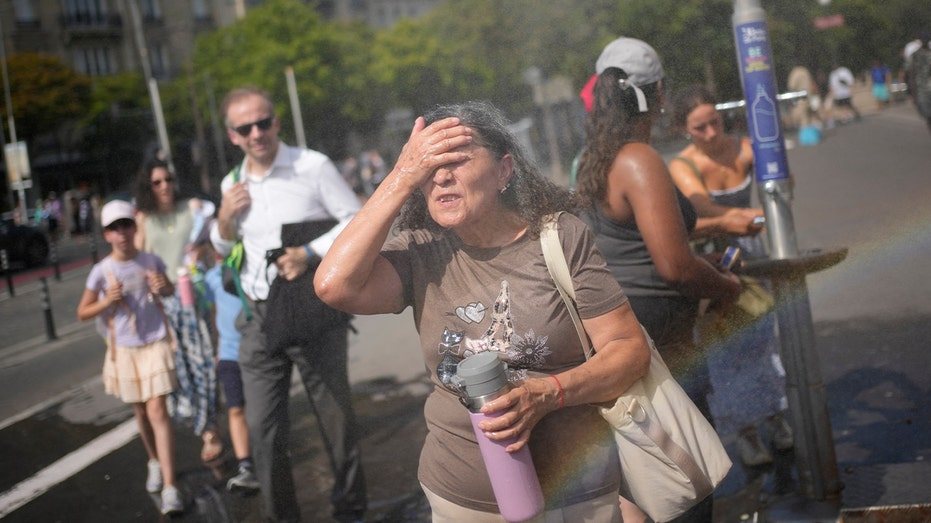
France has recorded more than 5,700 excess deaths during its historic early summer heat wave, marking the country's deadliest heat-related toll in over two decades, according to Public Health France. Between June 17 and July 2, the agency expected 15,910 deaths but instead recorded 21,674 — a difference of 5,764 excess deaths, which was 36 percent higher than what would have been expected under normal conditions.
The heat wave, described by officials as unprecedented in its early onset, intensity, and duration, exposed nearly the entire population to extreme heat during a period when many people were still engaged in school and work activities. Temperatures climbed well above 104 degrees Fahrenheit in many parts of the country, with the hottest days occurring on June 24 and June 25, when the national average temperature reached 86 degrees Fahrenheit.
Deaths from all causes increased across hospitals, private homes, and nursing homes during the heat wave. The agency's analysis included people aged 15 and older, with mortality rising significantly beginning at age 45. Adults aged 75 and older accounted for roughly two-thirds of the provisional death toll, representing at least 3,719 excess deaths. The Paris region was hit hardest, recording 1,999 excess deaths — more than 80 percent above what would have been expected without the heat wave.
More than half of the excess deaths — about 56 percent — occurred during or immediately after the most intense stretch of the heat wave between June 25 and June 27. Funeral directors in Paris reported being inundated by the surge in bodies awaiting burial or cremation, with some mortuaries reaching capacity and turning away new arrivals. The National Institute of Health and Medical Research estimated that roughly 15,000 more people died compared to the usual mortality for that time of year.
Public Health France said that 2026 recorded the country's highest excess mortality linked to a heat wave since 2003, when an estimated 15,000 excess deaths were attributed to extreme summer temperatures. Officials also reported that more than 10,000 excess deaths were recorded across Europe during the peak of the heat wave, though those preliminary figures are expected to be updated in the coming weeks.
The excess mortality estimate includes deaths from all causes that occurred during the heat wave, and the figures remain provisional as health authorities continue to refine the data. The heat wave has reignited discussions about the impact of climate change on public health, with experts warning that such extreme weather events are becoming more frequent and severe. France has implemented heat wave warning systems and public health campaigns in recent years, but the scale of this event has overwhelmed some parts of the healthcare and funeral infrastructure.
As Europe braces for potentially more extreme heat in the coming months, officials are urging governments to strengthen preparedness measures, particularly for vulnerable populations such as the elderly and those with pre-existing health conditions. The Paris region, which experienced the highest excess mortality, has been a focal point for calls to expand green spaces and improve building insulation to mitigate heat effects. The full toll of the heat wave may not be known for weeks as authorities continue to analyze mortality data across the country.
93