Full-body MRI scans spark debate after brain tumor discovery in asymptomatic patient
A former Bachelor contestant's brain tumor discovery during a preventive scan has renewed debate about full-body MRI screenings. While providers tout early detection benefits, many medical experts caution against routine use for healthy individuals due to high costs, false positives, and lack of insurance coverage.
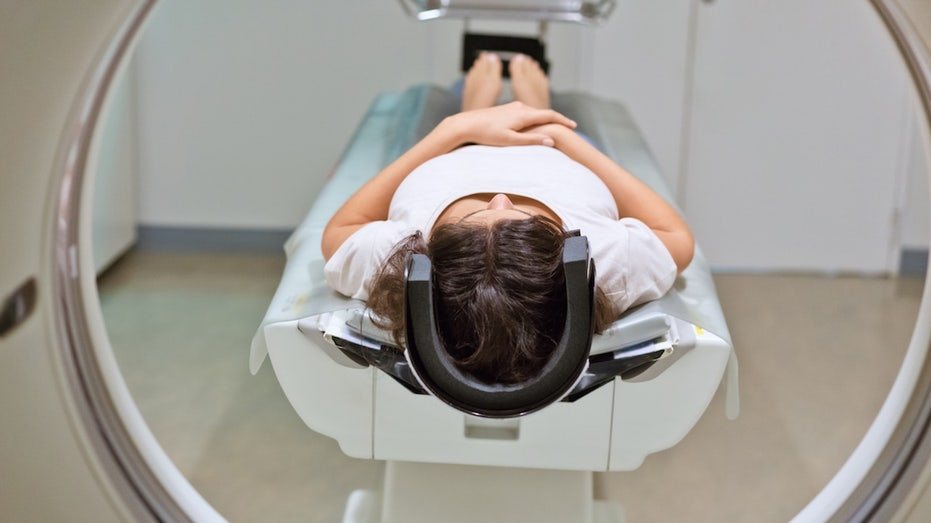
The recent case of a former «Bachelor» contestant who discovered a brain tumor during a preventive full-body scan has reignited discussion among medical professionals about the value and risks of such screenings. The scan, performed before any symptoms appeared, detected the abnormality early, highlighting the potential of advanced imaging technology. However, the incident also underscores the ongoing divide between proponents of proactive whole-body scanning and major medical organizations that advise against routine use for asymptomatic, low-risk individuals.
Full-body scans utilize various technologies, including magnetic resonance imaging (MRI), computed tomography (CT), and positron emission tomography (PET), to detect early signs of diseases such as cancer, heart conditions, and vascular malformations. Dr. Daniel Durand, chief medical officer at Prenuvo, one of the largest U.S. providers of full-body MRI scans, describes the procedure as a «virtual physical» that allows radiologists to examine internal organs and tissues in ways a traditional annual checkup cannot. According to Durand, the scan collects a vast amount of health data, which is then analyzed by two licensed providers who explain findings and recommend next steps for optimizing health.
Proponents argue that early detection is key to successful treatment. Dr. Brett Osborn, a Florida neurologist and longevity expert, emphasizes that MRI technology offers a comprehensive, non-invasive examination without the harmful radiation associated with CT scans. He notes that conditions such as cancers, aneurysms, and infections can be identified before symptoms or physical exam signs appear, potentially allowing for earlier intervention and less permanent damage. Durand adds that many diseases begin with subtle internal changes that are invisible to standard exams, making full-body MRI a powerful preventive tool.
Despite these claims, many physicians remain skeptical. Dr. Mikhail Varshavski, known as «Dr. Mike,» a primary care physician in New Jersey, has not recommended full-body MRI screening to any of his patients. He points to the high upfront cost—ranging up to $2,500 depending on the provider and options—and the lack of clear medical indication for broad screening in low-risk, asymptomatic individuals. Major medical organizations, including the American College of Radiology, do not endorse routine whole-body MRI for the general population, citing insufficient evidence of clinical benefit and potential harms from false positives.
False positives are a significant concern. Dr. Marc Siegel, clinical professor of medicine at NYU Langone Health, warns that full-body scans are «frequently oversensitive,» leading to the pursuit of findings that may not be clinically significant. This can result in unnecessary follow-up procedures, anxiety, and additional costs. Siegel advocates for more directed workups initiated by expert physicians based on symptoms, history, and genetic tests, rather than broad, untargeted scanning. He also notes that the current shift toward personalized healthcare, augmented by genetics and artificial intelligence, is likely to produce more tailored diagnostic approaches rather than increased reliance on full-body scans.
Insurance coverage for full-body scans is limited. According to Dr. Mike, coverage varies widely by insurance plan, jurisdiction, and clinical guidelines. For screening purposes, the test is usually not covered due to the lack of documented benefit versus harms. Some coverage may exist for individuals with high-risk genetic syndromes or specific medical conditions, but this is the exception rather than the rule. Prenuvo’s Durand expressed hope that ongoing research studies will provide a foundation for broader insurance reimbursement in the future.
The popularity of full-body scans has been fueled in part by celebrity endorsements. Figures such as Kim Kardashian, Paris Hilton, and now the former «Bachelor» contestant have publicly discussed their experiences, often receiving scans for free. Dr. Mike finds this trend concerning, noting that such promotions can create a conflicting message for consumers. He explains that while companies cannot claim their tests save lives, celebrities can make personal claims not subject to the same investigational scrutiny. This, he says, generates confusion about the true value and limitations of the technology.
The two largest providers of full-body scans in the United States are Prenuvo, headquartered in California, and Ezra, based in New York City. Both companies market their services directly to consumers, emphasizing the peace of mind that comes from a comprehensive health overview. However, the medical community remains divided. While some doctors see full-body MRI as a significant advancement in diagnostic capabilities, others caution that the technology is not yet ready for widespread use in healthy populations. The debate is likely to continue as more research emerges and as consumer interest, driven by high-profile cases, shows no signs of waning.
70