Nobel laureate Venki Ramakrishnan explains why organs survive after death
Venki Ramakrishnan, the 2009 Nobel laureate in Chemistry, says most of the body's cells remain alive after death, which is why organs can be donated, and argues that healthy habits matter more than anti-ageing products.
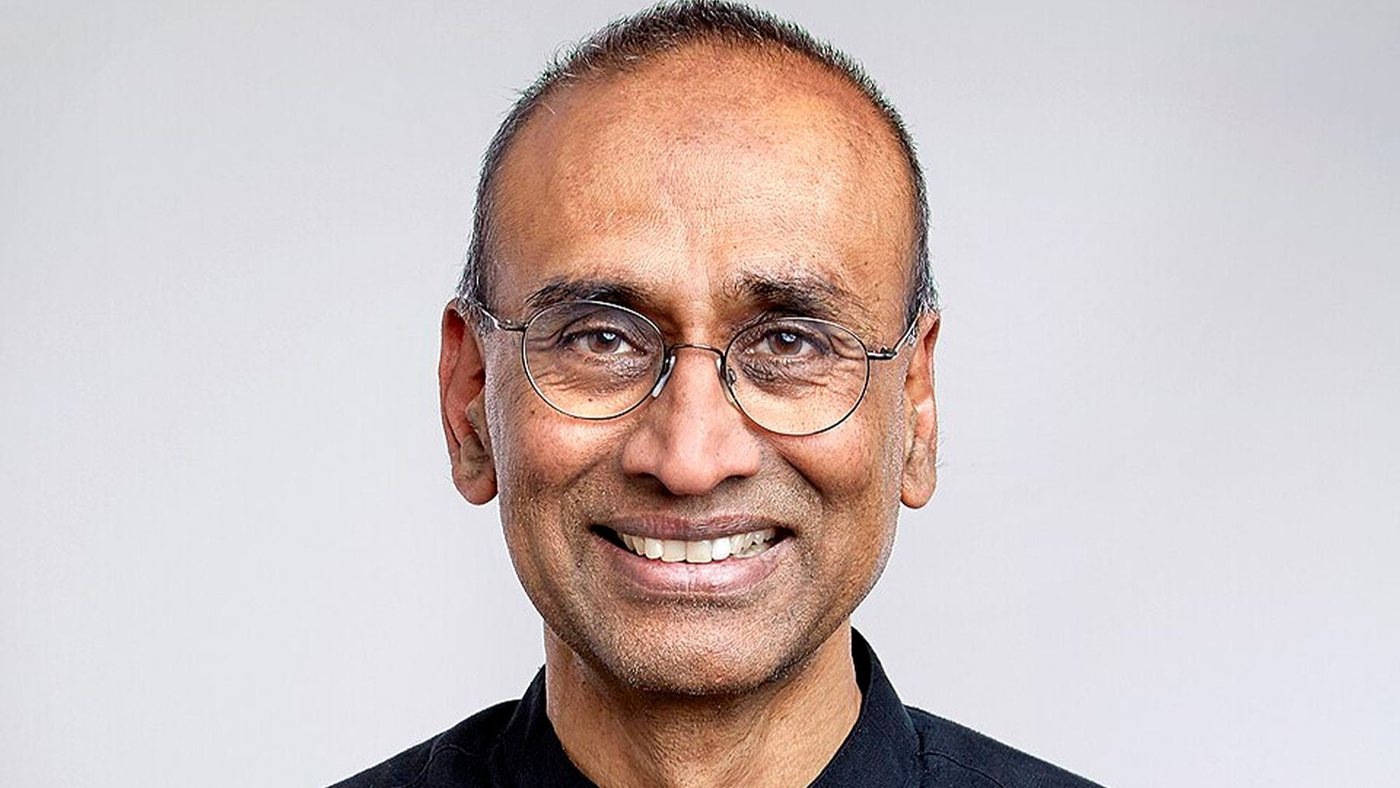
Most of the cells in a human body do not stop working the moment a person dies, a fact that makes organ donation possible. Venki Ramakrishnan, who shared the 2009 Nobel Prize in Chemistry, has described this process in plain terms. «When we die, most of our cells are still alive, which is why our organs can be donated, but they are no longer able to function as a whole; that is death», the scientist said.
Ramakrishnan has spent years studying cells, proteins and ageing. His central point is that tissues can keep some activity even after the body has lost the ability to keep all its systems working together. Cells do not all last the same length of time. Some renew themselves constantly, others persist far longer, and millions die every day without anything unusual happening.
Death follows a similar pattern, though on a larger scale. When circulation stops, tissues no longer receive oxygen and nutrients normally and gradually begin to deteriorate. That process is not instantaneous. Some cells hold out longer, and certain organs can remain viable for a few hours if kept under suitable conditions. This is what makes donation possible: a liver, a kidney or certain tissues may still contain living cells after a person has died. For Ramakrishnan, the example shows that life depends on all parts of the organism working together. A single cell can remain active on its own, yet the body it belonged to has stopped living.
Ramakrishnan is also interested in what happens before that point, namely why we age. He does not attribute ageing to a single mechanism, and there is no fixed age at which the body suddenly begins to decline. «One of the causes of ageing is the accumulation of damage to the genes in our DNA», he explains. Throughout life, cells suffer alterations and the body repairs many of them. Over time that repair system becomes less effective, and some damage builds up.
Proteins play a major role in this process. Ramakrishnan notes that much of the information held in our genes is used to make proteins, which carry out thousands of functions in the body. They take part in chemical reactions, give structure to tissues, allow cells to communicate and run continuously while we are alive. When the body controls their production, repair or removal less precisely, problems linked to ageing can emerge.
Ramakrishnan knows this field especially well. In 2009 he received the Nobel Prize in Chemistry together with Thomas A. Steitz and Ada Yonath for their studies of the structure and function of the ribosome. The ribosome is a small molecular machine inside cells that builds proteins from the instructions contained in genetic information, joining amino acids until the protein the cell needs is complete. Although it is a microscopic process, it is one of the basic processes of life. Research on ribosomes has helped scientists understand how cells work and has had important medical applications, including in the development and action of certain antibiotics.
On longevity, Ramakrishnan is notably cautious. Products promising to slow or almost halt ageing appear regularly, but his advice is far from revolutionary. «Eating well, sleeping well and exercising is more effective than any anti-ageing medicine on the market», he has said. Science continues to investigate how age-related decline might be delayed, and some lines of research are promising, but that does not make every product sold under an anti-ageing label effective.
For Ramakrishnan, living longer should not be the only goal. Quality of life matters as well. Reaching a very advanced age offers little if those years are marked by illness or a significant loss of independence. He develops these ideas in his book «Why We Die: The New Science of Ageing and the Quest for Immortality». Born in India in 1952, he began by studying physics before moving into molecular biology, and he later served as president of the British Royal Society.
7