Urban Trees in South-East England Struggle as Climate Shifts
Botanists warn that trees in London and other cities are already suffering from hot, dry summers and must be replaced with drought-adapted species.
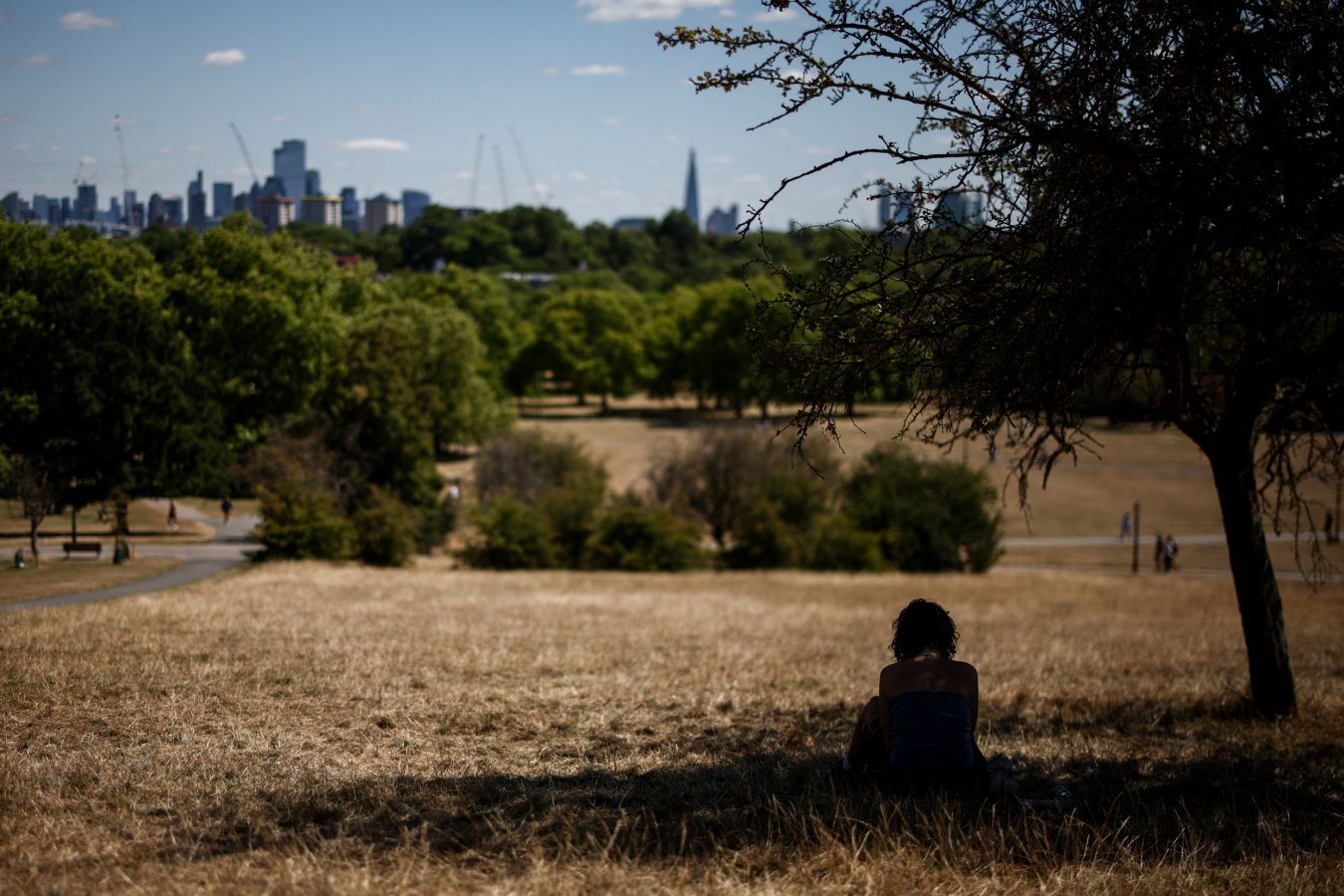
Urban trees in south-east England are failing to cope with the changing climate, botanists have warned, as hotter and drier summers take a toll on species that have long defined the region's city streets and parks. In cities such as London, trees are already struggling with prolonged heat and water shortages, and experts say the problem will only worsen unless the current planting palette is overhauled.
The warning points to a widening gap between the trees that have traditionally been planted in British cities and the conditions they now face. Many common urban species evolved in cooler, wetter climates and are not equipped to survive the kind of sustained heat and drought that south-east England has experienced in recent years. As summers grow hotter and rainfall patterns become less reliable, these trees become more vulnerable to stress, disease, and premature death.
Botanists are calling for a fundamental shift in how cities choose what to plant. Rather than relying on familiar native and long-established species, they argue, urban planners and councils should begin replacing struggling trees with drought-adapted species that can withstand higher temperatures and extended dry spells. Such species, drawn from regions with naturally hot and arid climates, could offer a more resilient foundation for the green infrastructure that cities depend on.
The stakes go beyond aesthetics. Urban trees provide shade that reduces the heat island effect, filter air pollution, absorb rainwater, and support biodiversity. When they fail, cities lose a natural cooling system at precisely the moment temperatures are rising. The decline of urban trees therefore compounds the health and comfort risks faced by residents during heatwaves, particularly in densely built neighbourhoods where green cover is already limited.
The warning adds to a growing body of concern about how quickly the climate is outpacing the ability of long-lived species to adapt. Trees planted today are expected to stand for decades, meaning decisions made now will shape the character and resilience of cities for generations. If the wrong species are chosen, cities could face repeated cycles of loss and replanting, with little of the long-term benefit that mature trees provide.
For now, the message from botanists is one of urgent adaptation. The trees that have shaded south-east England's streets for generations may not survive the climate of the coming decades, and replacing them with drought-tolerant alternatives is no longer a distant option but an immediate necessity.
3