Argentine community in Barcelona prepares for World Cup final against Spain
Thousands of Argentine residents in Barcelona are organizing gatherings to watch the World Cup final against Spain, with the city divided in support but united by football passion.
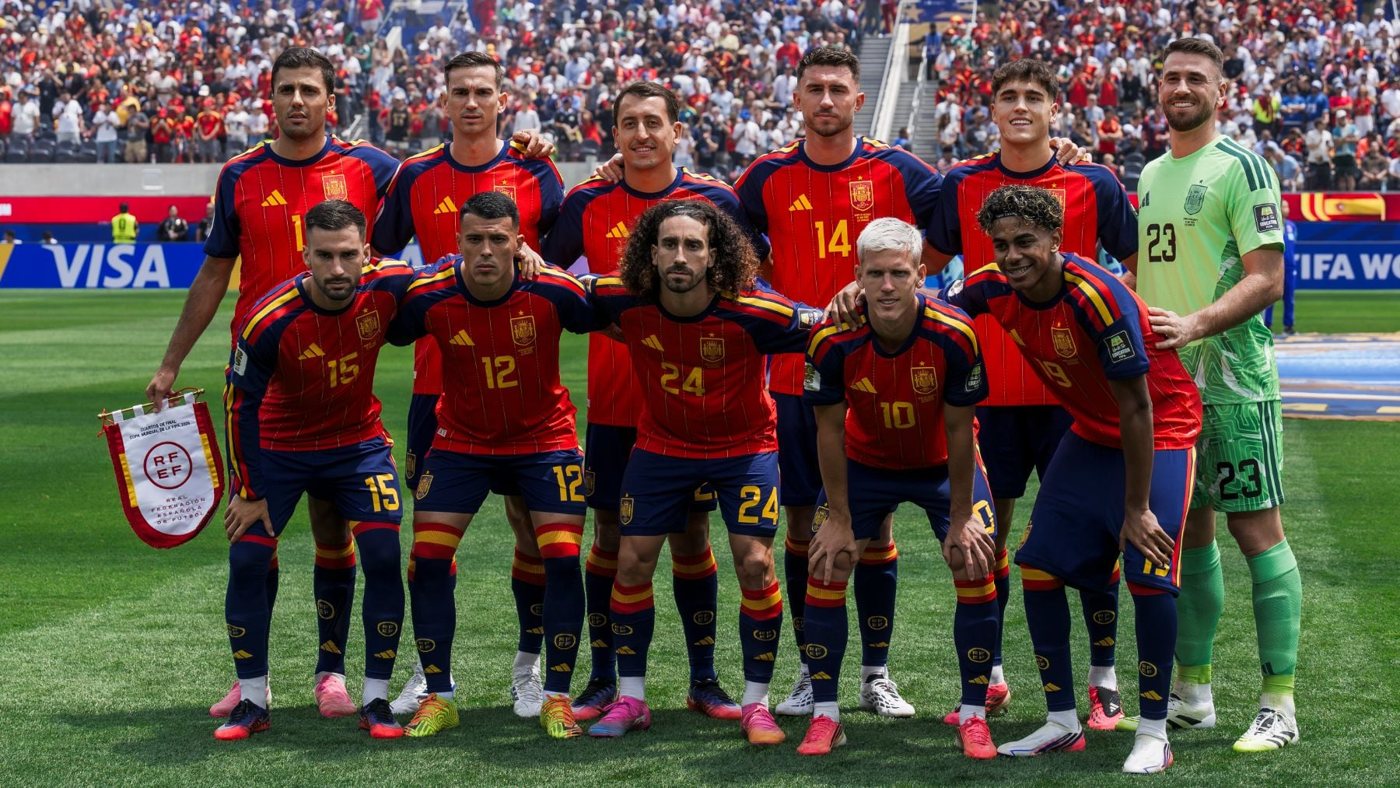
Barcelona is gearing up for a World Cup final that promises to be unforgettable, though the city finds itself divided in its loyalties. Alongside the massive mobilization of Spanish fans, thousands of Argentine residents in the Catalan capital are preparing to support their national team in what is being described as a historic match. The final pits Argentina against Spain, two football powerhouses meeting for the first time in a World Cup decider.
Spain is home to more than 450,000 Argentine citizens, with over 50,000 living in Barcelona alone. Argentines now constitute the largest community of foreign-born residents in the city. For many, the final represents an opportunity to reconnect with their roots alongside family, friends, and compatriots. Aware that they will share the streets with Spanish supporters, Argentine fans have organized various meeting points to watch the match, including bars, restaurants, hotels, and private homes where traditional asados, music, and other Argentine celebration customs will be present.
One of the main gathering hubs is the Hyatt hotel in L'Hospitalet de Llobregat, where the Argentine fan base began celebrating at midday, hoping to extend the festivities into the early hours if Argentina lifts the trophy. In the event of victory, many supporters plan to move the party to emblematic Barcelona locations such as the Plaza de las Glorias and the Arc de Triomf, venues that hosted Argentine celebrations four years ago.
Much of the fans' hope rests on Lionel Messi, who may be playing his final match with the Argentine national team. The captain arrives at the final as the team's great reference point and as a symbol for an entire generation of supporters. In the hours before the match, Messi shared a photograph with his teammates on social media accompanied by an emotional message: «The most beautiful thing of all these years was never just the titles, but the entire journey. Sharing day-to-day life with this group, competing together, getting up in difficult moments and enjoying every step.»
The final is also historic for another reason. Argentina and Spain have never faced each other in a World Cup decisive match, and this will be the first time the reigning Copa América champion and the reigning European champion compete for the world title. This unprecedented encounter promises to turn Barcelona into a city divided by colors but united by a passion for football.
Beyond the match itself, the event highlights the deep cultural ties between Argentina and Spain, particularly in Catalonia where the Argentine community has grown significantly in recent years. Many Argentine residents in Barcelona have lived in Spain for decades, building lives and families while maintaining strong connections to their homeland. The final serves as a powerful reminder of how sport can bridge distances and bring together diaspora communities.
Local businesses in Barcelona are also preparing for the influx of fans. Bars and restaurants in neighborhoods with high Argentine populations, such as Gràcia and Eixample, have reported increased reservations and are stocking up on Argentine beer and wine. Some establishments plan to screen the match on large outdoor projectors, while others are offering special menus featuring Argentine dishes like empanadas and choripán alongside Spanish tapas.
The match itself carries immense significance for both nations. For Argentina, a victory would mark a successful title defense and cement Messi's legacy as one of the greatest players in history. For Spain, winning would mean a second World Cup title and a triumphant return to the top of international football after years of rebuilding. The clash of styles between Argentina's passionate, individual brilliance and Spain's disciplined, possession-based game adds another layer of intrigue.
Security measures in Barcelona have been stepped up, with local police coordinating with fan groups to ensure peaceful celebrations regardless of the outcome. Authorities have designated specific zones for post-match gatherings and are urging fans to celebrate responsibly. The city's public transport system will operate extended hours to accommodate the expected crowds.
As kickoff approaches, the atmosphere in Barcelona is electric. Argentine flags flutter from balconies alongside Spanish banners, and the sound of drums and chants fills the air in both languages. For one night, the city becomes a microcosm of the global football community, where rivalries are set aside in favor of shared love for the beautiful game.
80