BioCultura Madrid 2026 reunirá a cerca de 400 expositores de productos ecológicos
The 42nd BioCultura Madrid fair, held at Ifema on 26–29 November 2026, will bring together about 400 exhibitors and a forecast of more than 55,000 visitors, with a programme focused on organic food and a warning about ultra-processed products.
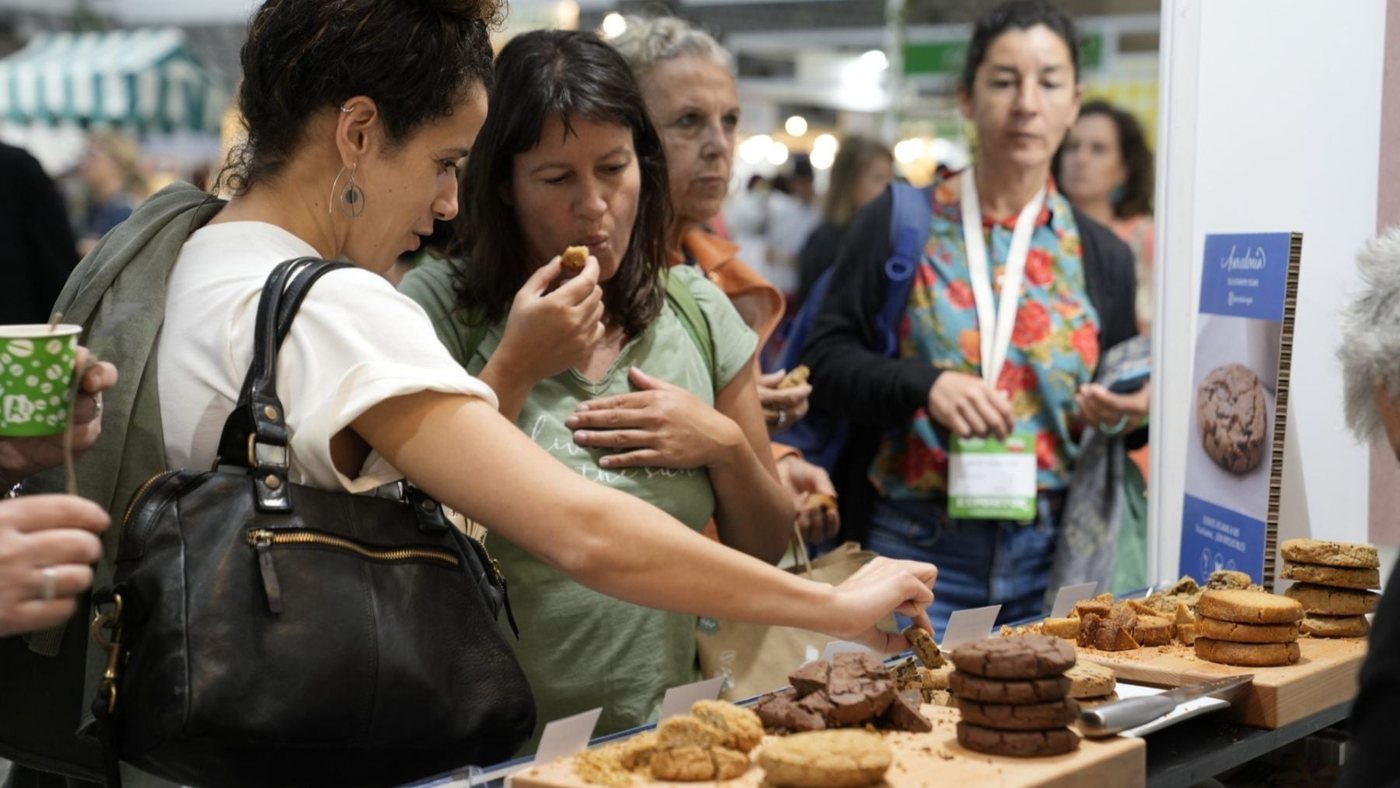
The 42nd edition of BioCultura Madrid will take place at the Ifema exhibition centre, in Pabellón 3, from 26 to 29 November 2026. Organised by the Asociación Vida Sana, the fair expects about 400 exhibitors and more than 55,000 visitors, while around 300 parallel activities are planned across the four days. The organisers have set a clear theme for this year: a warning about the spread of ultra-processed foods and what they may be doing to people's palates.
The figures from the previous edition give a sense of the scale. The 2025 fair recorded 54,206 visitors and 412 exhibitors, and drew 278 accredited journalists and 1,802 trade visitors. Organisers say fewer than 10% of the exhibition space remains unbooked, which suggests strong demand from producers ahead of the event.
Galicia is the largest regional group among the exhibitors, with 22 firms. Madrid follows with 18, Jaén with 13, and Valencia and Asturias with 12 each. The fair will also host around 130 small producers who are attending through regional bodies, a presence the organisers highlight as a way to give smaller farms direct access to consumers.
The model of the fair is built around direct trade. Visitors buy straight from producers, and 97.9% of them make a purchase at the event itself. Exhibitors rate their experience highly, with a satisfaction score of 9.06 out of 10. The organisers present this as evidence that the format removes intermediaries and allows consumers to pay a price that reflects the work behind the product.
The fair arrives at a time when organic food has become a mainstream habit in Spain. Ecological food is present in 67% of Spanish households, and the organic market in the country is worth about 3,250 million euros. Ecological consumption rose 4.2% in value in 2025. Spain also leads Europe in organic farmland, with more than 3 million hectares. Women hold about 32% of organic farm holdings.
Health is the main reason consumers give for buying organic food. Online sales of organic products are reported to have risen by 22%. Most organic buyers are over 50, and many are recent entrants to the market. Price, however, remains the main obstacle: about 40% of consumers cannot name an organic certification seal, a gap that the fair's programme of talks and activities aims to address.
The warning about ultra-processed foods is grounded in several figures cited in the fair's materials. Ultra-processed products supply about one third of children's daily energy in Spain. A study linked to the INMA project in Elche found that prenatal intake of ultra-processed foods is tied to higher intake of such products in childhood. The fair also points to research suggesting that taste buds regenerate within about two weeks of reduced consumption of these foods. The organisers note that the claimed effects of diet change on the palate are not yet clearly established, and presenting them as settled would overstate the evidence.
Source: okdiario.com
6