Experts Say So-Called Massage Flu Is Real but Not a Diagnosis
Clients report flu-like symptoms after spa treatments, but health experts say the reaction is a normal inflammatory response, not a release of toxins.
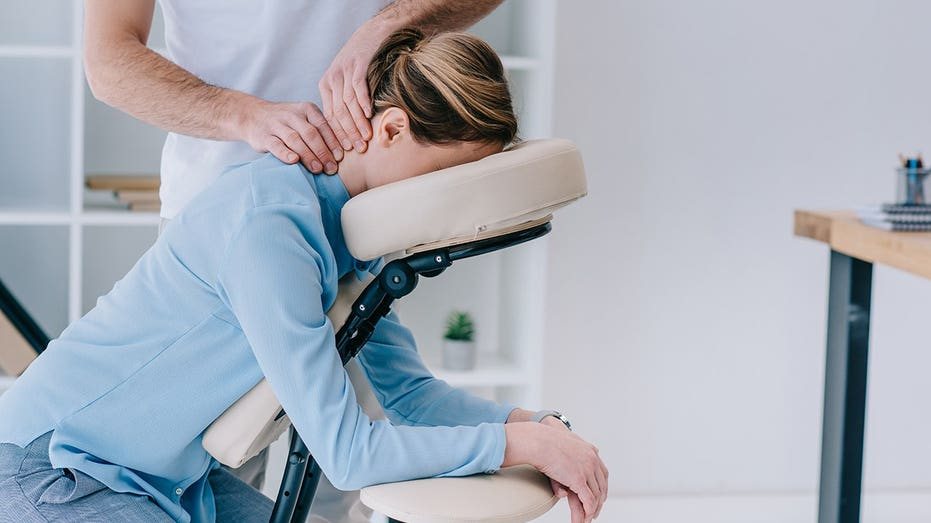
People who receive massages sometimes report feeling unwell afterward, describing symptoms such as muscle aches, fatigue and headaches that resemble the onset of a cold or flu. The experience has been nicknamed «massage flu» on social media, though health experts stress it is not a recognized medical condition. The symptoms are real, but the label is a product of online conversation rather than clinical practice.
W. Zach Smith, a Seattle-based physical therapist and co-founder of HIDEF Physical Therapy, said the phenomenon is familiar to him from his own patients. «This phenomenon is something I have definitely heard of and had patients tell me,» Smith said. «The idea of this has been around a long time but usually described as fatigue and soreness. The flu part of the name I have heard more recently.»
According to Smith, soreness can occur when sustained pressure is applied to muscles, particularly in people who are not accustomed to massage. «Any time you go in and apply a lot of pressure to a muscle for a long period of time, it can essentially bruise the tissue,» he said. The body may also mount a mild inflammatory response after a session, which can contribute to feelings of soreness and general malaise.
Drew Voelsch, a chiropractor at Forza Chiropractic in Illinois, said he has heard patients use similar terms, including «adjustment hangover.» He noted that the symptoms — soreness, fatigue and mild headaches — typically last between 24 and 48 hours. «The symptoms are real,» Voelsch said. «The label is social media.»
Headaches can also arise when massage focuses on the neck, scalp or jaw, areas that are often involved in tension headaches, according to Smith. This may explain why some clients report head pain alongside muscle soreness after treatment.
Both experts rejected the popular claim that massage releases toxins from the body, an idea that has circulated widely in social media comments. «This is a myth,» Smith said. «There is no basis or science behind this.» Voelsch agreed, pointing out that the liver and kidneys are responsible for the body's waste-removal processes, not massage therapy.
To reduce the chance of discomfort, Smith recommended asking for less pressure or a shorter session and gradually building up to deeper or longer massages. Voelsch suggested drinking water, eating something light before an appointment and moving gently afterward. These measures may help the body adjust without provoking a strong inflammatory response.
Mild soreness after a massage is generally not a cause for concern, but Smith said new or persistent pain may warrant a call to a doctor. «If you are having a new, unexplained pain that is persistent, that would be a good time to call your doctor,» he said.
Voelsch advised seeking medical advice if symptoms last longer than about 72 hours or if they include fever, sharp or radiating pain, numbness or tingling, spreading swelling or bruising, or faintness. Such signs could indicate a more serious issue that requires professional evaluation.
The term «massage flu» may continue to spread online, but experts emphasize that it describes a set of temporary, generally harmless reactions rather than a distinct illness. Understanding the difference between normal post-massage soreness and symptoms that need medical attention can help clients make informed decisions about their care.