First organ transplant between two people with HIV performed in Spain
The Vall d'Hebron Hospital in Barcelona has carried out Spain's first organ transplant between two people with HIV, a kidney transplant from a living donor using robotic surgery. The procedure was made possible by a 2025 ministerial order that lifted a ban in place since 1987. The recipient is recovering well, and the milestone marks a step toward destigmatizing HIV.
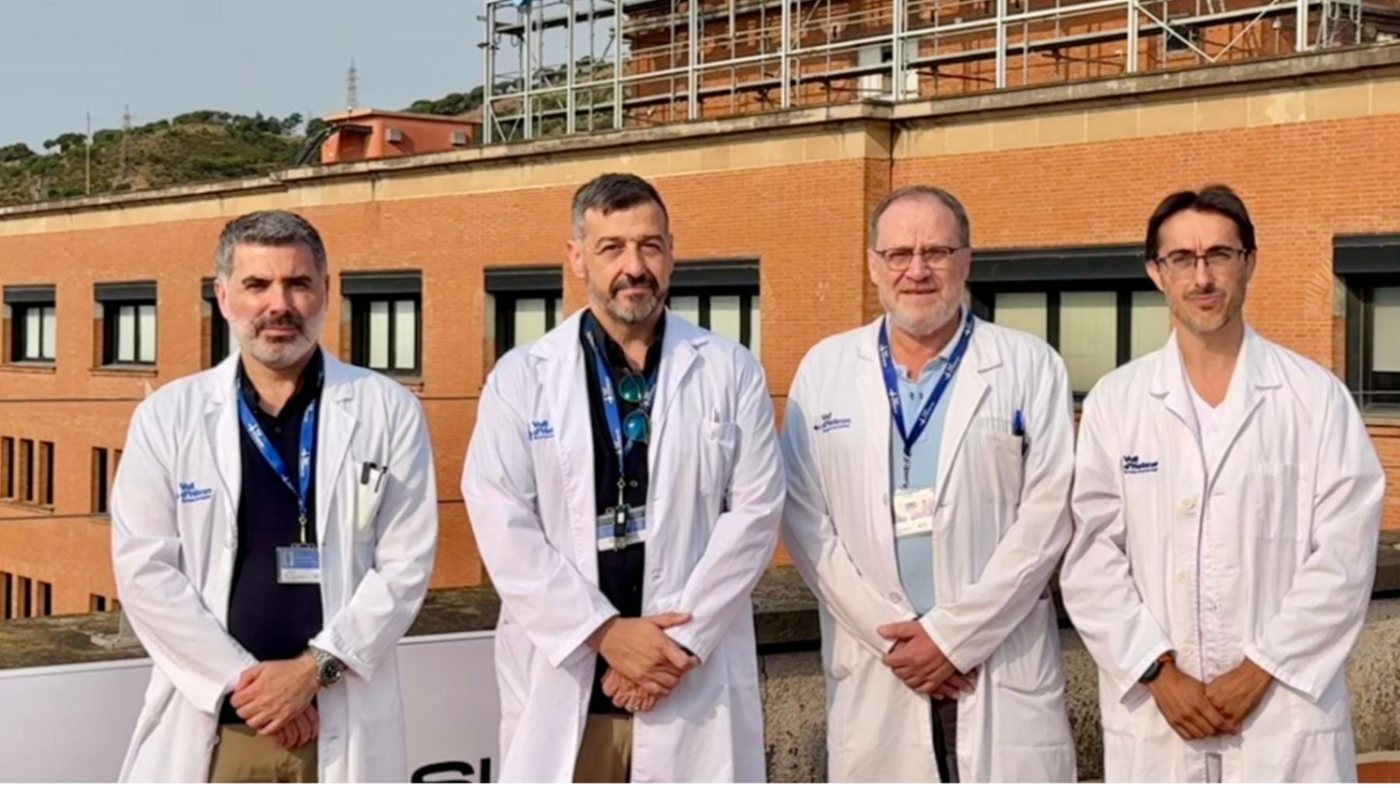
The Vall d'Hebron Hospital in Barcelona has achieved a historic milestone by performing Spain's first organ transplant between two people with HIV. The procedure, a kidney transplant from a living donor, was carried out using robotic surgery and marks a significant advance in transplant medicine. The intervention was made possible by a ministerial order that came into effect in 2025, lifting a ban that had been in place since 1987 and prohibited such transplants.
The recipient, who is recovering favorably after the surgery, suffered from chronic glomerulonephritis unrelated to HIV, which had progressed to the point of requiring a transplant. The donor, also living with HIV, was able to donate thanks to the new legal framework. The hospital's management presented the achievement at a press conference on Friday, attended by the hospital's general manager Albert Salazar, the director of the National Transplant Organization (ONT) Beatriz Domínguez-Gil, and the center's donation and transplant program coordinator Albert Sandiumenge.
With this procedure, Spain joins a small group of countries that allow organ transplants between people with HIV. South Africa has been a pioneer since 2008, and the United States has been performing such transplants routinely since 2024. Italy, the United Kingdom, and France have also authorized these interventions. The new Spanish protocol, approved in May 2026, ensures that these transplants are carried out safely and uniformly across the country.
During the press conference, Albert Salazar recalled that Vall d'Hebron was the first hospital in Spain to diagnose a case of HIV in 1981. He emphasized that 45 years later, the hospital is again making history by performing the first transplant between a donor and a recipient with HIV in the country. Salazar also highlighted Spain's global leadership in organ donation and transplantation, stating that at a time of sporting celebrations, it is also worth celebrating that Spain is a world champion in donation and transplantation.
Until 2025, people with HIV could receive organs from donors without the virus, provided they met certain clinical requirements, such as maintaining an undetectable viral load thanks to antiretroviral treatment and not having suffered from opportunistic infections. The new ministerial order eliminated the prohibition that had existed since 1987 and opened the door to transplants between donors and recipients with HIV. Beatriz Domínguez-Gil, who participated remotely, congratulated the Vall d'Hebron team and noted that the regulatory change was accompanied by a national protocol approved in May 2026 to guarantee that these transplants are performed safely and homogeneously throughout the country.
Albert Sandiumenge stated that this milestone represents a step forward in destigmatizing HIV. By allowing people with HIV to become donors, the procedure expands the possibilities of access to a transplant for other patients with the virus. The development is expected to increase the pool of available organs and reduce waiting times for patients with HIV who need a transplant.
The success of this transplant also underscores the importance of ongoing medical innovation and regulatory adaptation. Spain's leadership in organ donation and transplantation is well established, and this new chapter reinforces its commitment to advancing medical science and improving patient outcomes. The hospital and the ONT have expressed hope that this will encourage more people with HIV to consider organ donation, further contributing to the fight against the stigma associated with the virus.
73