Seattle Mayor Faces Protests Over Crime in Chinatown During World Cup
Seattle Mayor Katie Wilson is facing protests from Chinese and Vietnamese community members who accuse her of neglecting the Chinatown International District, calling it a 'human dumping ground' for homeless and drug addicts, as the city hosts World Cup matches.
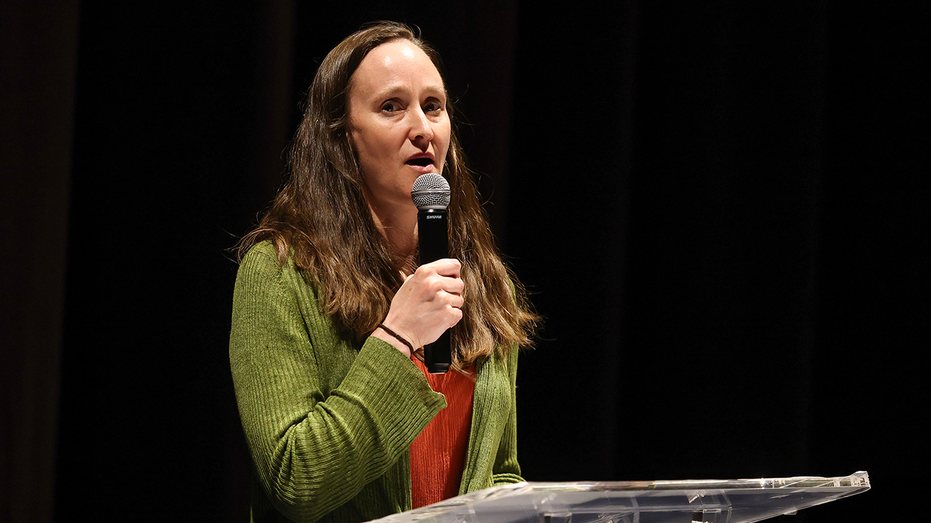
Seattle Mayor Katie Wilson, a socialist, is facing mounting protests from members of the city's Chinese and Vietnamese communities, who accuse her of abandoning their neighborhoods to crime and open-air drug dealing as the city hosts major World Cup matches. One organizer described the Chinatown International District (CID) as a 'human dumping ground' for homeless individuals and drug addicts, blaming Wilson's progressive policies for the area's decline.
Despite Seattle hosting some of the World Cup's biggest matches, including Monday's U.S. versus Belgium game at Lumen Field, residents and business owners in the CID and the adjacent 'Little Saigon' neighborhood say they are missing out on the economic benefits. Business owners report a significant decline in foot traffic and sales, even though the district is less than a mile from the stadium. Many are taking to the streets to protest Wilson's leadership in front of World Cup crowds, expressing frustration that the influx of visitors has not translated into local prosperity.
At a recent rally, Gary Lee, a CID advocate, told local outlet KIRO 7 that 'Wilson claims to be an advocate for marginalized communities of color, but all she did was turn the CID into a human dumping ground and we've had enough.' In an interview, Lee described the district as feeling like a 'ghost town,' contrasting it with other parts of Seattle that are bustling during the World Cup. 'When I look at the TV, I see that the waterfront is jampacked, Pioneer Square is jampacked. When I go over to Chinatown, it's just like dead,' he said.
Wilson has responded to the criticism by acknowledging that 'a lot of energy was put into trying to make sure that as visitors are coming, they are venturing out of that downtown corridor.' Her office issued a statement saying that 'crime and disorder issues in the CID have gone unaddressed for far too long' and that the city continues to work with the community to address concerns and ensure the neighborhood is safe, active, and vibrant. However, critics argue that these efforts have been insufficient, as the district remains plagued by drug use and safety issues.
Community activist and former city council member Tanya Woo reported that many businesses in the district are seeing a 10-20% decline in sales compared to the same period last year. Woo called on community members to join her in walking to the stadium area to personally invite fans to eat, shop, and experience the Chinatown-International District. 'Although thousands of FIFA fans are coming to Seattle, our neighborhood has largely become a rideshare pickup and drop-off zone,' she wrote on social media, highlighting the disconnect between the World Cup's economic potential and the reality for local businesses.
The protests come amid broader concerns about public safety in Seattle under Wilson's leadership. The mayor has faced previous criticism for her handling of crime and homelessness, with some residents and business owners feeling that the city's progressive policies have exacerbated problems rather than solving them. The CID, a historic hub for Asian American communities, has been particularly affected, with many longtime businesses struggling to survive.
Fox News Digital reached out to Wilson for comment but did not receive a response by the time of publication. The situation underscores the challenges faced by cities hosting major international events, where the benefits of tourism and global attention do not always reach all neighborhoods equally. For the CID, the World Cup has highlighted long-standing grievances about neglect and inequality, turning a moment of celebration into a platform for protest.
92