Spain Declares National Emergency as Wildfires Force Evacuation of Over 10,000
Spain faces one of its most critical wildfire days as multiple fires rage across several regions, forcing the evacuation of more than 10,000 people and prompting a national emergency declaration in Madrid and Ávila.
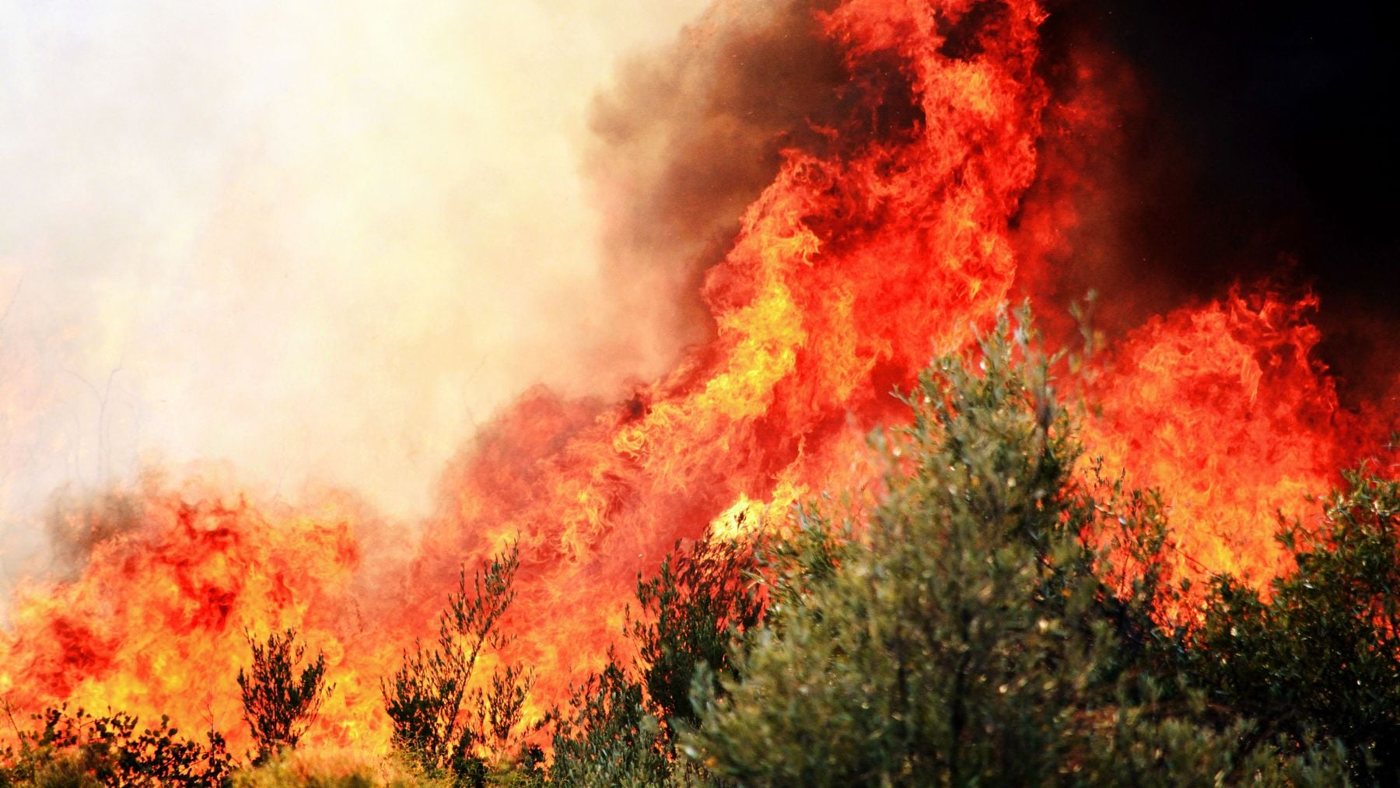
Spain is facing one of the most critical wildfire days of the summer as numerous active fires burn across several autonomous communities, forcing the evacuation of more than 10,000 people and prompting the declaration of a national emergency in the Community of Madrid and the province of Ávila. The situation is particularly severe due to extreme weather conditions, including a heatwave, high temperatures, and strong winds, which are fueling the flames and complicating firefighting efforts. The fires have also led to the confinement of thousands of residents due to thick smoke, with the most concerning hotspots located in Madrid, Ávila, Toledo, León, and Huelva, although the latter has been stabilized.
The Spanish government has activated the highest level of emergency under the Civil Protection System, known as the emergency of national interest, for the affected areas. This designation is reserved for disasters that exceed the response capacity of a single autonomous community and require extraordinary coordination between different public administrations due to the severity of the risk to people, property, or the environment. In response, Spain has requested assistance from the European Union, asking for at least four fixed-wing aerial firefighting aircraft through the EU's civil protection mechanism. Greece has already responded by offering two Canadair CL-415 planes, with a preparatory meeting for their deployment scheduled for later today.
In the Community of Madrid, the fires have led to the evacuation of several residential facilities. The San Juan Bautista nursing home, with 70 residents, has been evacuated to Villamanta, from where they will be transferred to the public residence Parque de los Frailes in Leganés. The private residence La Fresneda, with 77 users, has been moved to the municipal sports center in Villamanta. Additionally, the AMAN Picadas center for people with intellectual disabilities, housing 78 residents, has also been relocated to the same sports center for the night. The regional government has deployed intercity buses to assist in the evacuation of around 5,000 residents affected by the three main fires, keeping these vehicles on standby for immediate intervention as needed.
The fires have also caused a noticeable impact on the Madrid metropolitan area, with residents reporting a strong smell of burning and an orange-tinted sky. This phenomenon is due to smoke from the fires, particularly one that started on Thursday afternoon in the town of Villa del Prado, combined with the arrival of Saharan dust carried by the current heatwave, according to the State Meteorological Agency. The smoke has spread across much of the region, creating a hazy, yellowish sky and a persistent burnt odor. Authorities have warned that the wind will continue to complicate firefighting efforts, with more than 10,000 people already evacuated from the municipalities of Villa del Prado, San Martín de Valdeiglesias, Pelayos de la Presa, and Aldea del Fresno.
Regional President Isabel Díaz Ayuso has announced that the Madrid government will soon unveil aid packages and plans to mitigate the consequences of the three wildfires affecting different parts of the region. Meanwhile, emergency services have issued safety guidelines for residents in affected areas, advising against evacuating homes unless instructed by authorities, and recommending staying sheltered if evacuation is not safe. They urge people to never attempt to flee on foot without direction or cross flames, and to call 112, gather family members and pets in one room, remove flammable items from around the home, close doors, windows, and shutters, seal openings with wet cloths, and cut off gas and electricity supplies while storing water in sinks, bathtubs, and buckets.