Spanish minister calls Madrid president a «mamarracha» amid wildfire crisis
Transport Minister Óscar Puente and Madrid President Isabel Díaz Ayuso clashed on social media over wildfire management, with Puente calling Ayuso a «mamarracha» after she dismissed his criticism. The dispute erupted as 19,000 people were evacuated and 6,000 hectares burned.
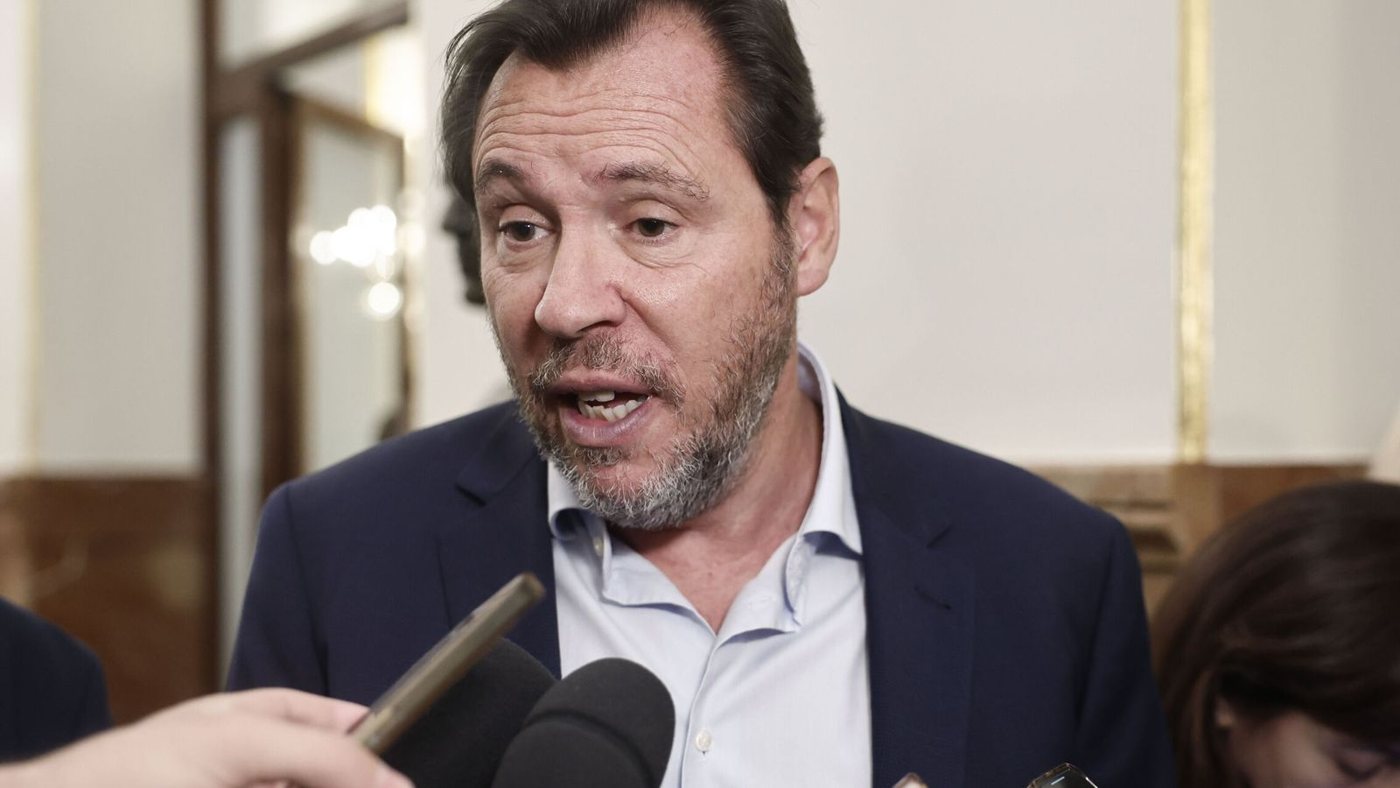
Spanish Transport Minister Óscar Puente and the President of the Community of Madrid, Isabel Díaz Ayuso, have engaged in a bitter political confrontation in the midst of a major wildfire emergency that has forced the evacuation or confinement of around 19,000 people and burned approximately 6,000 hectares in the Madrid region and neighbouring areas of Castilla-La Mancha and Castilla y León. The exchange of insults on social media has drawn widespread criticism and raised questions about inter-administration cooperation during a crisis.
The dispute began when Puente accused regional governments led by the conservative People's Party (PP) of cutting taxes, weakening fire prevention and extinction services, and then demanding state intervention. In a post on X, the minister wrote: «You know a lot about heating up the atmosphere. That is what you live off. Now you ask for help from the government you spend your life insulting and discrediting. If there is a mamarracha in Spain, it is you.» The term «mamarracha» is a derogatory Spanish word meaning a ridiculous or contemptible person, often used to insult a woman.
Ayuso had earlier responded to reporters in the town of Cenicientos, where she attended a meeting of the Integrated Operational Coordination Centre. She described institutional collaboration as «good and absolutely necessary» but, when pressed about Puente's earlier remarks, said: «The first mamarracho who gets in the way to heat up the atmosphere, let him be.» The president used the masculine form «mamarracho,» but Puente retorted with the feminine form, directly targeting her. The exchange quickly went viral, with the hashtag #mamarracha trending on Spanish social media.
The political clash comes at a time when the Madrid region is battling a complex wildfire that started from separate foci in Almorox (Toledo) and San Martín de Valdeiglesias, which later merged into a single large blaze. The fire has forced the evacuation of entire villages and the confinement of thousands of residents in their homes. The Spanish government activated the Operational Situation 3 of national interest during the early hours of the morning, mobilising the Military Emergency Unit (UME) and additional aerial resources.
The national leadership of the PP reacted strongly to Puente's comments. PP spokesperson Cuca Gamarra called on the minister to abandon «political attacks» and focus on cooperation. PP deputy Alma Ezcurra described Puente's behaviour as «miserable» and demanded the mobilisation of all available resources to stop the advance of the flames. The PP also questioned the availability of aerial firefighting means and criticised the delay of the central government's delegate in Madrid, Francisco Martín, in supporting the declaration of a national emergency.
Despite the heated rhetoric, operational coordination between the central government and the regional administration continued. The UME and regional firefighting teams worked together to protect populated areas and contain the fire, which has been fuelled by high temperatures, low humidity, and strong winds. Meteorologists have warned that climate change is increasing the frequency and intensity of such wildfires in southern Europe.
Puente defended his initial criticism by arguing that the crisis should serve as an opportunity to discuss the impact of tax cuts and political agreements that question climate change. He insisted that the central government was fulfilling its responsibilities and that regional governments must also invest adequately in prevention and extinction services. The minister's comments have reignited a long-running debate about the distribution of competences between the state and the autonomous communities in emergency management.
The incident has also highlighted the deep political polarisation in Spain, where the national government, led by Prime Minister Pedro Sánchez of the Socialist Party, and several regional governments controlled by the PP are often at odds. The wildfire crisis has become a new battleground for this rivalry, with both sides accusing each other of prioritising partisan interests over public safety.
As the fire continues to burn, authorities have urged the public to remain vigilant and follow evacuation orders. The full extent of the damage will not be known until the fire is brought under control, but early estimates suggest that hundreds of homes and thousands of hectares of forest and farmland have been affected. Environmental groups have called for a comprehensive review of fire prevention policies and increased investment in rural firefighting infrastructure.
The political fallout from the «mamarracha» exchange is likely to persist, with both Puente and Ayuso showing no signs of backing down. The incident has become a symbol of the toxic atmosphere in Spanish politics, where even natural disasters can trigger personal insults rather than unity. For the thousands of people displaced by the fire, however, the priority remains safety and the hope that the flames will soon be extinguished.
73