Unions in Oakland and Ohio Win AI Limits as Agencies Adopt Generative Tools
Nearly seventy percent of US government agencies use generative AI. Public-sector unions are increasingly winning protective rules against AI surveillance and automated dismissals.
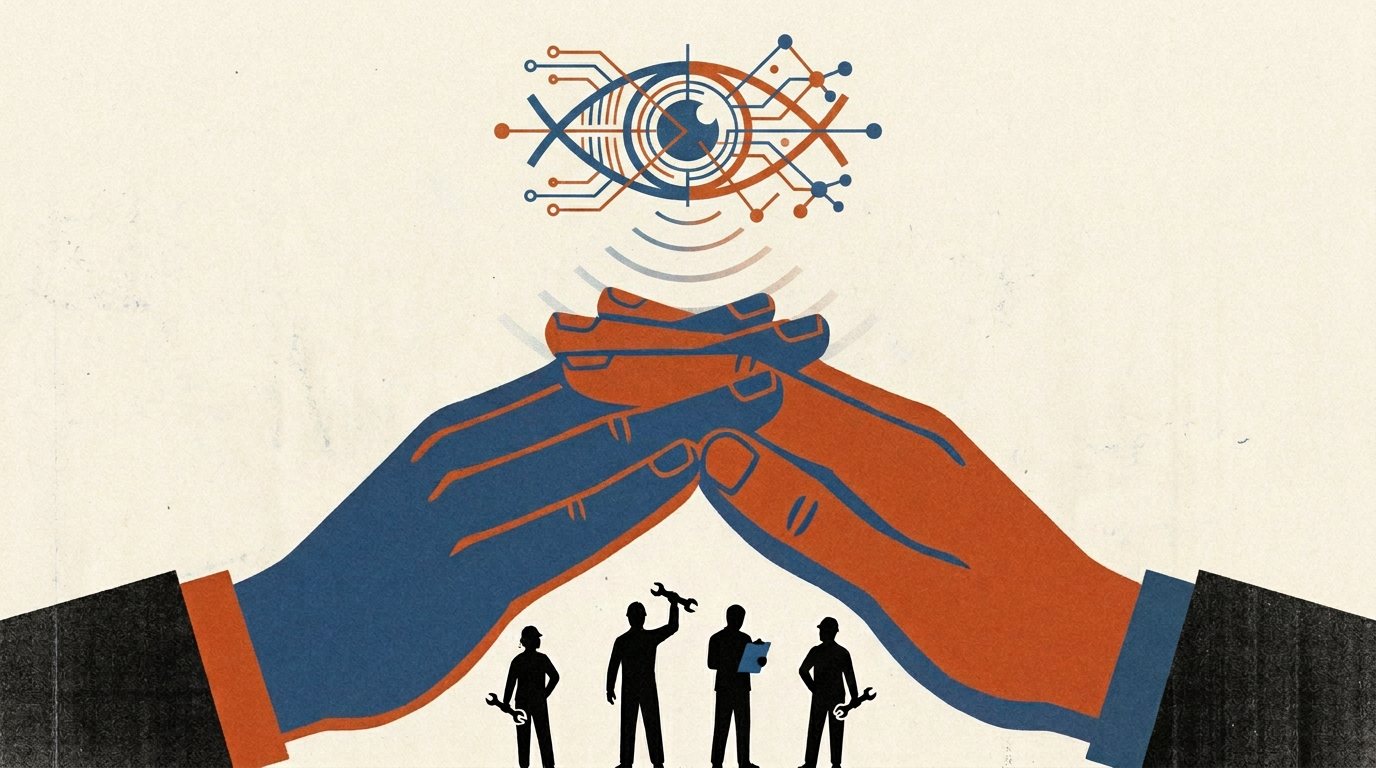
Nearly 70 percent of US government agencies now use generative artificial intelligence. This figure is cited in reporting, but the source and survey method are not specified. The figure therefore leaves open how representative it is of the public sector as a whole. At the same time, public-sector unions are gaining influence in order to limit the consequences of this technology for employees.
The unions' demands focus on two issues: protection against AI-based surveillance and protection against automated layoffs. Workers want to prevent software from closely tracking their work behavior or deciding on dismissals without humans being involved. Such demands are increasingly being enforced through negotiations. However, the available information does not indicate how widespread these successes are overall.
The city of Oakland in California provides one example. There, a strike vote led to planned job cuts being replaced by retraining programs. The affected employees thus keep their jobs and can prepare for changed tasks that technological change brings. The case shows how labor disputes can influence the handling of automation in municipal administration.
In the state of Ohio, a union has also achieved a notable success. A union from the transport sector received a veto right over autonomous vehicles. It can thus block the use of such vehicles if it fears a threat to workers or the displacement of jobs. The veto right shifts the balance of power between employers and workforces over a technology that could fundamentally transform the transport sector.
California went a step further and banned so-called bossware, meaning software for monitoring employees. The ban targets systems that record work behavior in fine detail at the workplace. It is regarded as an example of how legislators and unions can jointly set limits on the use of AI in the workplace. Whether this model can be transferred to other states remains open.
The development also reveals a field of tension. While authorities increasingly rely on generative AI, employees are seeking binding rules that secure their rights. It remains unclear how the use of the technology will develop in the coming years and whether the protective rules achieved will last. For public-sector employees, the task already is to secure co-determination and protection in dealing with a technology that is changing their everyday working lives.
Source: the-decoder.com
33