FTC Opens Formal Investigation into OpenAI, Anthropic and Other AI Labs
The US Federal Trade Commission has launched a formal probe into leading artificial intelligence companies, including OpenAI and Anthropic, over possible consumer protection violations. The agency is using legally binding demands to obtain documents and executive testimony.
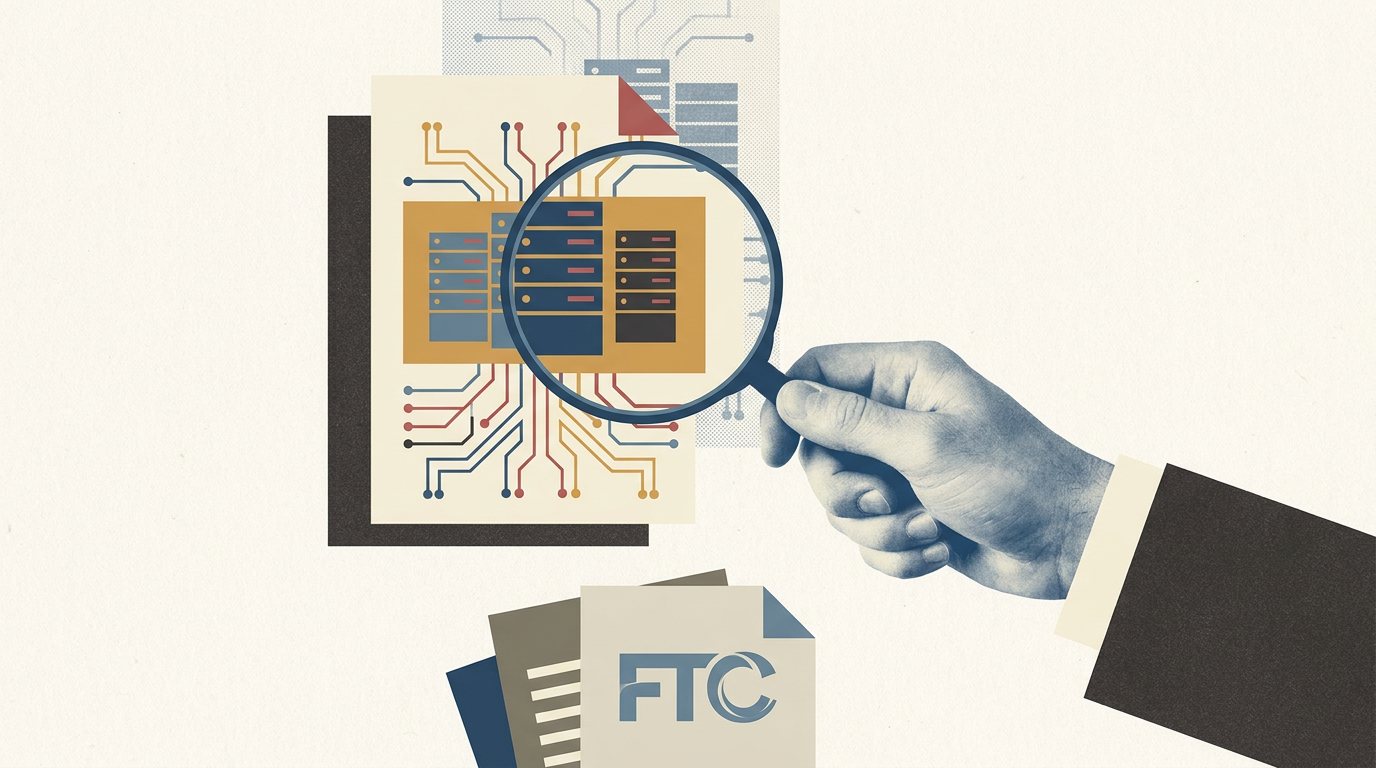
The US Federal Trade Commission has opened a formal investigation into OpenAI, Anthropic and other leading artificial intelligence laboratories over potential violations of consumer protection law. The agency is pursuing the inquiry through legally binding demands that compel the companies to hand over documents and make executives available for testimony, according to people familiar with the matter.
The probe was already underway before the recent security breach at Hugging Face, a popular platform for hosting AI models and datasets. That timing indicates the investigation is not a direct response to any single incident but part of a broader examination of how AI developers operate in the consumer marketplace.
The FTC's action goes well beyond its earlier efforts to hold companies accountable for the behavior of their AI agents. In previous guidance and enforcement signals, the commission focused on whether firms could be held liable when automated systems cause harm. The new investigation appears to take a wider view, examining the companies' overall conduct and the promises they make to users.
OpenAI, the maker of ChatGPT, and Anthropic, developer of the Claude assistant, are among the most prominent names in the rapidly growing generative AI sector. Both companies have faced mounting public and regulatory scrutiny as their products have been adopted by millions of consumers and integrated into business, education and creative work.
Consumer protection concerns around AI have multiplied in recent months. Regulators in the United States and Europe have raised questions about the accuracy of AI-generated information, the handling of personal data, and the clarity of terms of service. The FTC's demands for internal records and executive testimony suggest the agency is looking for evidence of deceptive or unfair practices.
The use of legally binding demands, rather than voluntary requests, gives the investigation sharper teeth. Companies that fail to comply can face enforcement action. The move signals that the FTC is prepared to use its full authority to examine how AI labs design, market and manage their systems.
For the AI industry, the investigation introduces a new layer of legal uncertainty. Firms already navigating a patchwork of emerging rules in the European Union and various US states now face a federal inquiry that could shape how they communicate with users and structure their internal oversight. The outcome may influence everything from product labeling to the way companies disclose the limitations of their models.
The probe also raises questions about the balance between innovation and accountability. AI developers have argued that overly aggressive regulation could slow progress and push research overseas. Consumer advocates counter that the technology's rapid deployment demands stronger safeguards, especially as AI systems take on tasks once performed by humans.
Neither OpenAI nor Anthropic has issued a detailed public response to the investigation. The FTC has not commented beyond confirming its general authority to investigate potential consumer protection violations. The scope of the inquiry, including which additional AI labs are covered, remains unclear.
What is clear is that the FTC's formal investigation marks a significant escalation in the regulatory scrutiny of artificial intelligence. By compelling documents and testimony, the agency is positioning itself to assess not just individual complaints but the broader business practices of an industry that is reshaping how people access information and make decisions. The results could set precedents for years to come.
3