German Courts Hold Google Liable for AI Overview Errors
The Aachen Regional Court has applied the same reasoning as a landmark Munich ruling, treating Google's AI-generated answers as the company's own content after an AI overview falsely linked a doctor to criminal offenses.
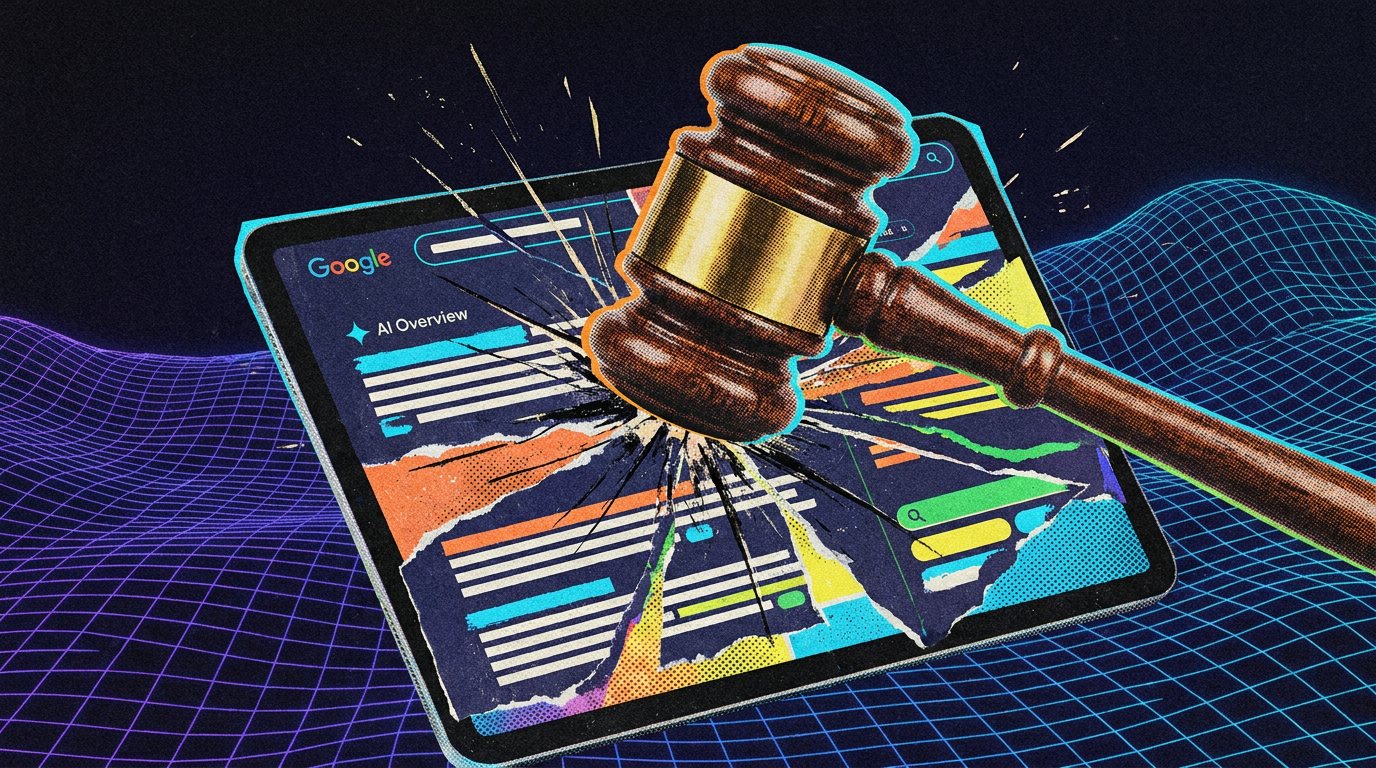
Google is facing a growing legal consensus in Germany that its AI-generated search overviews count as the company's own statements, not neutral algorithmic output. The Aachen Regional Court has now applied the same reasoning as a landmark Munich ruling in a new case, reinforcing the principle that the tech giant can be held liable for false claims produced by its artificial intelligence.
The Aachen case centered on an AI overview that falsely attributed criminal offenses to a doctor. The offenses in question actually involved someone else entirely. The court found that Google could not deflect responsibility by describing the text as machine-generated, treating the AI answer as content the company itself had published.
The ruling follows a similar decision in Munich, where a court first established that Google's AI search summaries fall within the company's sphere of responsibility. Google attempted to overturn that Munich ruling by appealing, but then quietly settled the matter. That strategy, according to legal observers, has not succeeded in containing the fallout.
Instead, the Aachen decision shows the Munich reasoning spreading to other courts. A consistent legal view is forming across Germany, one that rejects the idea that AI-generated answers are somehow exempt from the standards applied to ordinary published content. When Google's systems present a statement as fact, the company can be treated as having made that statement.
The implications reach beyond a single doctor's reputation. Search engines have increasingly moved from listing links to generating direct answers, placing themselves in the position of an author rather than a mere intermediary. German courts are now signaling that this shift carries legal consequences, particularly when an AI summary repeats false and damaging information about an identifiable person.
For Google, the pattern of rulings narrows the room to argue that its AI overviews are merely automated reflections of the web. The company had sought to challenge the Munich precedent through appeal, but the settlement left the underlying reasoning intact. The Aachen court's adoption of the same approach suggests the principle is becoming settled law rather than an isolated judgment.
The decisions also raise broader questions about accountability in the age of generative search. As AI systems summarize and synthesize information at scale, the risk of false attributions grows, and courts are beginning to define who bears the responsibility when those errors cause harm. In Germany, the answer so far is clear: the company behind the AI.
6