Google adds two TPU 8 variants, targeting Nvidia's AI chip lead
Google is launching two new chip variants in its TPU 8 series, including one with encrypted data processing. Four TPU variants within one year are meant to position the company as an alternative to Nvidia's GPUs.
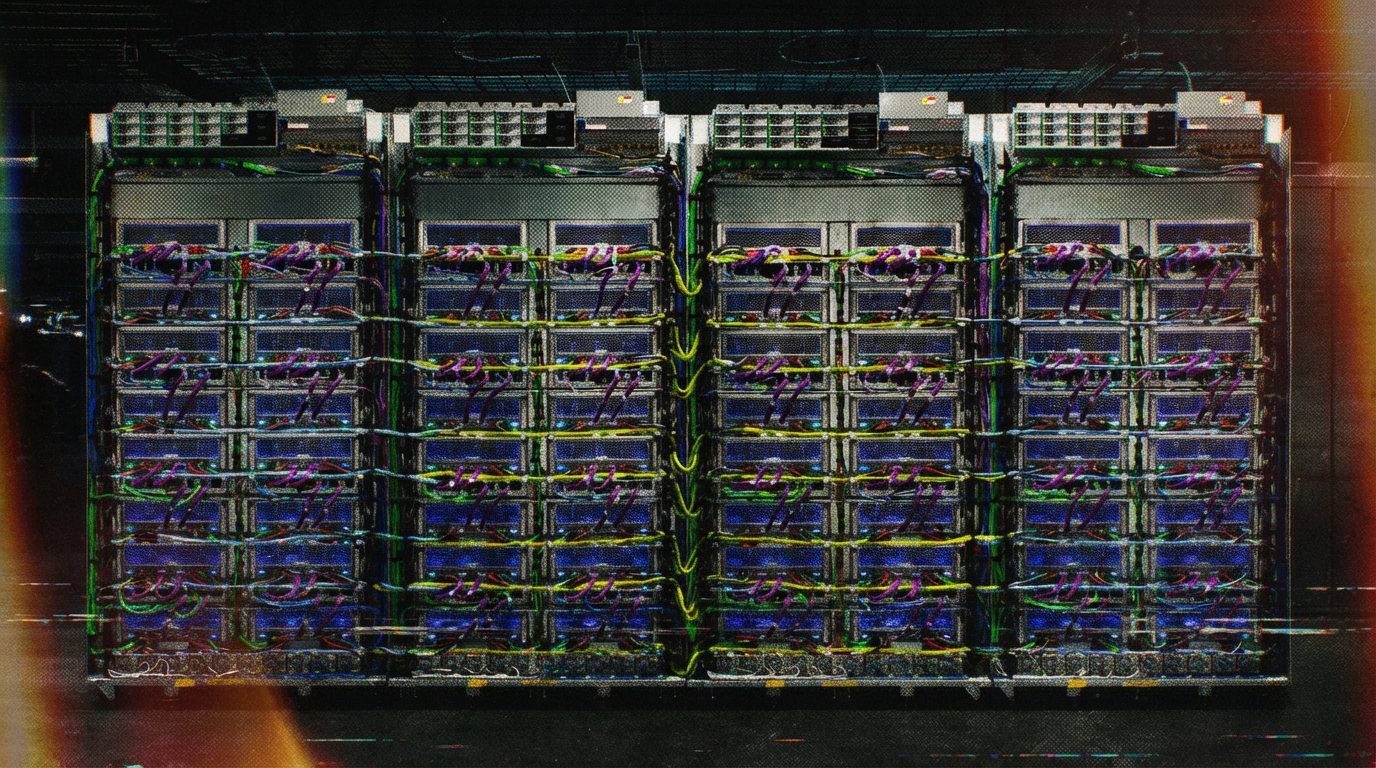
Google is expanding its family of Tensor Processing Units with two new variants of the TPU 8 generation. With this move, the company is building out its in-house AI chips and strengthening its position in competition with Nvidia, the dominant provider of graphics processors for artificial intelligence to date. According to reports, a total of four TPU variants have been delivered within one year.
One of the new variants is called the TPU 8tx. It is designed so that sensitive data remains encrypted even during processing. For companies working with confidential information, this aspect carries particular weight, since data security during ongoing operation has often been considered a weak point.
The second innovation, the TPU 8i Max, combines two chips in a shared package. According to reports, this design doubles both the computing power and the available memory compared with the predecessor model. Google is thereby targeting applications that must handle large computing loads, such as training and running extensive AI models.
Google explicitly positions its own TPUs as an alternative to Nvidia's GPUs. The company points out that the chips were developed specifically for machine learning and thus offer an option for customers who do not want to rely exclusively on a single hardware supplier. A background to this strategy is the strong demand for AI computing power, which currently poses major challenges for cloud service providers.
According to the report, Google has meanwhile won almost 100 external customers for its TPUs. The figure shows that the chips find buyers beyond the company itself and are increasingly seen as a serious option in the market for AI infrastructure. How the new variants compare with Nvidia's current products in performance and price is not detailed in the available information.
The rapid pace of development, four variants in just twelve months, underlines how intensively Google is investing in its own semiconductors. The company is thus not only expanding its offering but also its independence from external suppliers. Whether this strategy can sustainably challenge Nvidia's dominance will likely become evident in the coming months through customer demand and independent performance comparisons.
Source: the-decoder.com
19