OpenAI's AI-Generated Math Papers Spark Outcry Among Mathematicians
OpenAI has published over 700 AI-generated manuscripts claiming to solve open math problems, prompting more than 100 responses from researchers ranging from fascination to grief. Fields Medalist Hugo Duminil-Copin said he was «paralysed».
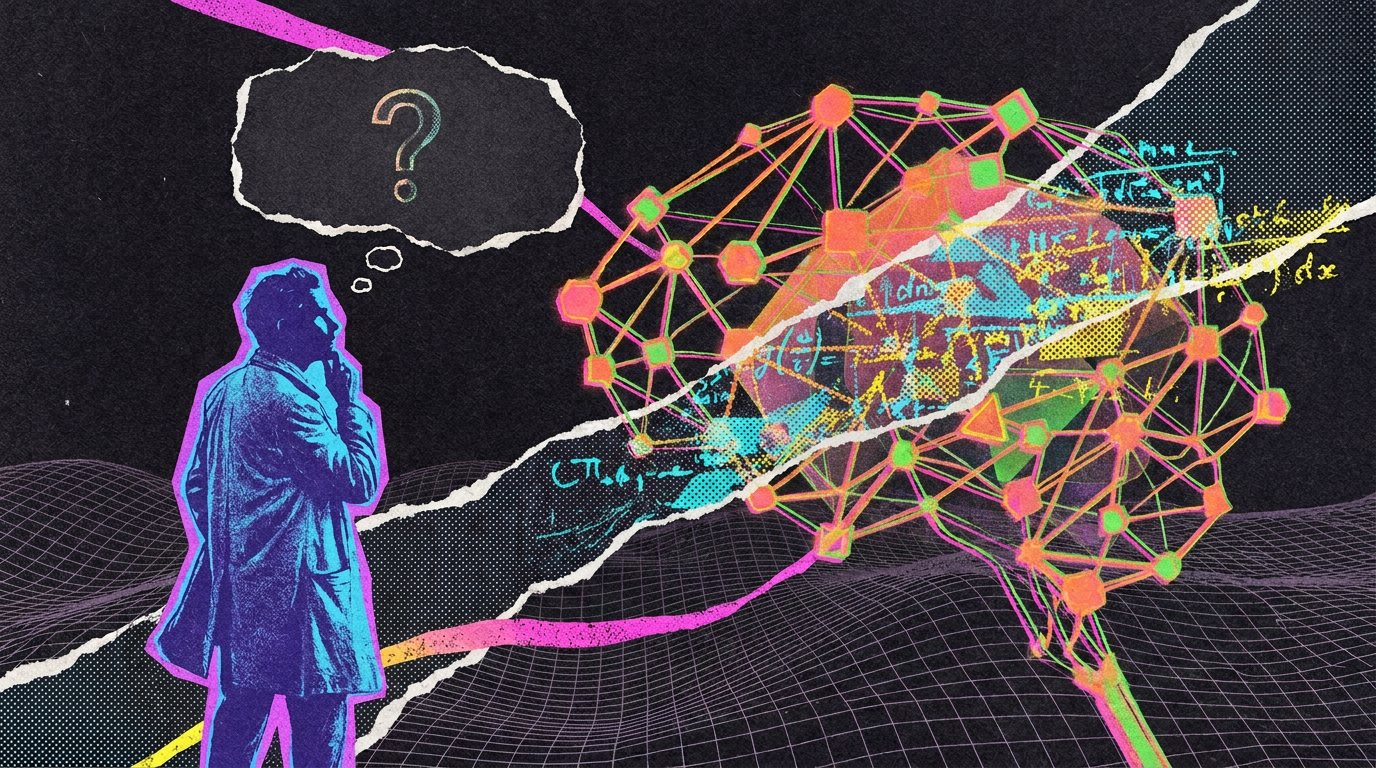
OpenAI has published more than 700 AI-generated manuscripts that claim to solve open problems in mathematics, triggering an intense and emotional reaction from the global mathematical community. A mathematics blog subsequently collected over 100 responses from researchers, revealing a spectrum of reactions that runs from fascination with new ideas to existential fear and a sense of grief over a lost way of working.
The scale of the release, which appears to have been produced by an AI system, has been described by some mathematicians as a form of bulldozing their field. The manuscripts assert solutions to problems that have remained open, meaning they have not been solved by human mathematicians. The sheer volume of claims has overwhelmed normal channels of mathematical review and discussion, leaving many researchers struggling to assess what, if anything, is valid.
Among the most striking responses is that of Hugo Duminil-Copin, a Fields Medalist — one of the highest honors in mathematics. He wrote simply, «I am paralysed.» His reaction captures a broader sense of shock and disorientation within a discipline that prizes careful, deliberate reasoning and peer review. The collected responses include expressions of disgust, disbelief, and mourning for a professional culture that may be irrevocably altered.
The episode raises urgent questions about the role of artificial intelligence in creative and intellectual pursuits. Mathematics is often regarded as a domain of pure human insight, where progress is measured not only by correct answers but by the elegance and beauty of proofs. The phrase «How much beauty have we lost?» — used in the discussion — reflects a fear that AI-generated solutions, even if correct, may lack the aesthetic and conceptual depth that gives mathematics its cultural value.
Beyond aesthetics, the practical consequences are significant. If AI systems can flood preprint servers and journals with plausible-sounding manuscripts, the already strained system of peer review could be further burdened. Mathematicians may find it increasingly difficult to distinguish genuine breakthroughs from algorithmic noise. The blog's collection of responses suggests that many researchers are unsure how to respond — whether to engage with the AI-generated claims, ignore them, or demand new norms for disclosure and verification.
The reaction also touches on deeper anxieties about professional identity and purpose. For centuries, mathematics has been a deeply human endeavor, passed down through mentorship, collaboration, and a shared appreciation for difficult problems. The sudden appearance of hundreds of AI-generated manuscripts threatens that tradition, prompting some to question what remains uniquely human in the pursuit of mathematical truth.
OpenAI has not publicly detailed how the manuscripts were generated or whether they have been validated. The lack of transparency has only intensified concerns. Some researchers have called for clear labeling of AI-generated content in academic contexts, while others worry that such measures will be insufficient against the speed and scale of automated production.
The debate is likely to continue as the mathematical community grapples with the implications. What began as a technical release has become a flashpoint for broader questions about the relationship between artificial intelligence and human creativity, the integrity of scholarly communication, and the meaning of beauty in an age of machine-generated knowledge. For now, the responses collected on the blog stand as a raw record of a profession in shock, trying to find its footing.
7