Study Finds Car Data Privacy Worse Than Expected as Automakers Track Driving Habits
A new Northeastern University study reveals that modern vehicles collect vast amounts of driving data, often without meaningful consent, prompting regulatory action against major automakers.
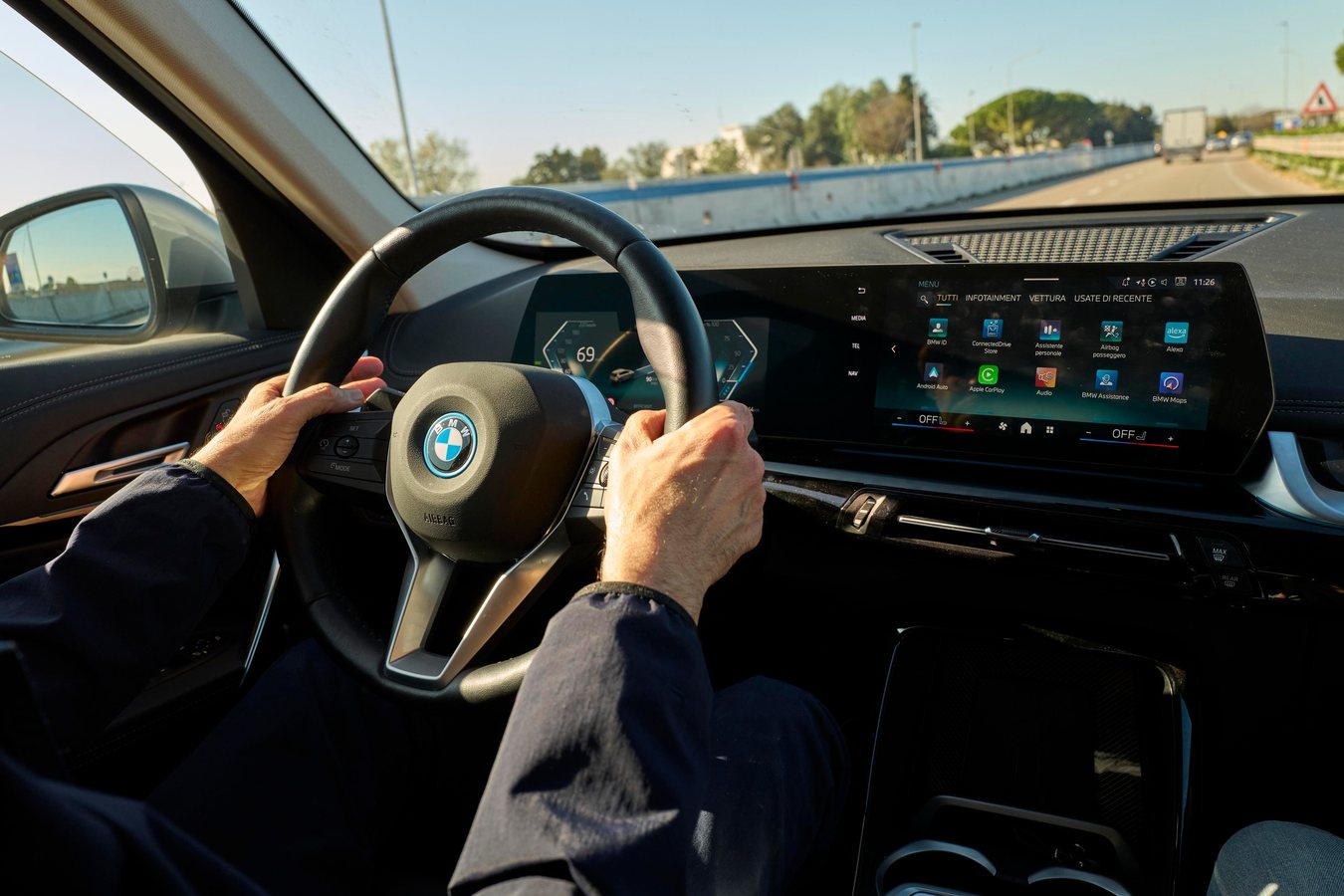
Modern cars have become sophisticated data-collection devices, gathering extensive information about drivers' habits and movements, according to a recent study from Northeastern University. The research highlights that vehicles now track not only location but also acceleration patterns, braking force, and turning behavior, raising significant privacy concerns for consumers.
The study's findings underscore a growing tension between technological advancement in the automotive sector and individual privacy rights. As vehicles become increasingly connected, the volume of data generated has surged, often without drivers fully understanding what is being collected or how it is used. This data can reveal intimate details about a person's daily life, including where they work, worship, and socialize.
Regulatory bodies have begun to take notice. Last year, the Federal Trade Commission penalized General Motors for illegally collecting and selling precise location and driving behavior data without obtaining informed consent from vehicle owners. The penalty marked a significant moment in the ongoing debate over data privacy in the automotive industry.
Other major automakers, including Ford and Honda, have faced lesser fines for making it unnecessarily difficult for customers to opt out of data collection. These actions suggest a pattern of practices that prioritize corporate data interests over consumer choice, according to privacy advocates.
The legality of such data harvesting remains a contested issue. While some automakers argue that data collection improves vehicle safety and performance, critics contend that the practice often occurs without transparent disclosure or meaningful consent. The Northeastern study adds weight to these concerns by documenting the scope and scale of data collection across various vehicle models.
For consumers, the implications are far-reaching. Driving data can be used to build detailed profiles that may influence insurance rates, employment opportunities, and even legal proceedings. Unlike smartphones, where users can adjust privacy settings, cars offer limited options for controlling what information is transmitted and to whom.
The study's authors call for stronger regulatory frameworks to protect drivers' privacy. They argue that current laws have not kept pace with the rapid evolution of automotive technology, leaving consumers vulnerable to exploitation. As vehicles become more autonomous and connected, the need for clear guidelines on data ownership and usage becomes increasingly urgent.
Automakers have responded to these concerns with varying degrees of commitment. Some have introduced privacy dashboards and opt-out mechanisms, but the effectiveness of these tools remains questionable. The fines imposed on Ford and Honda indicate that even when opt-out options exist, they may be designed in ways that discourage use.
The broader cultural conversation around privacy is also shifting. As people become more aware of how their digital footprints are tracked, expectations for transparency and control are rising. The automotive industry, like other sectors, faces pressure to adapt to these changing norms.
In the absence of comprehensive federal legislation in the United States, state-level initiatives and international regulations may shape the future of car data privacy. The European Union's General Data Protection Regulation, for instance, sets strict standards for consent and data minimization that could influence global practices.
For now, the Northeastern study serves as a stark reminder that the convenience of modern vehicles comes with hidden costs. Drivers may be sharing more than they realize every time they start their engines, and the road to meaningful privacy protection remains long and complex.
5