EU and Canada Announce Intent to Deepen Ties as Questions Linger Over Canadian Public Support
The European Union and Canada have declared a mutual intention to form a deeper relationship, but a Canadian commentator questions whether Canadians themselves would accept tighter ties with Europe.
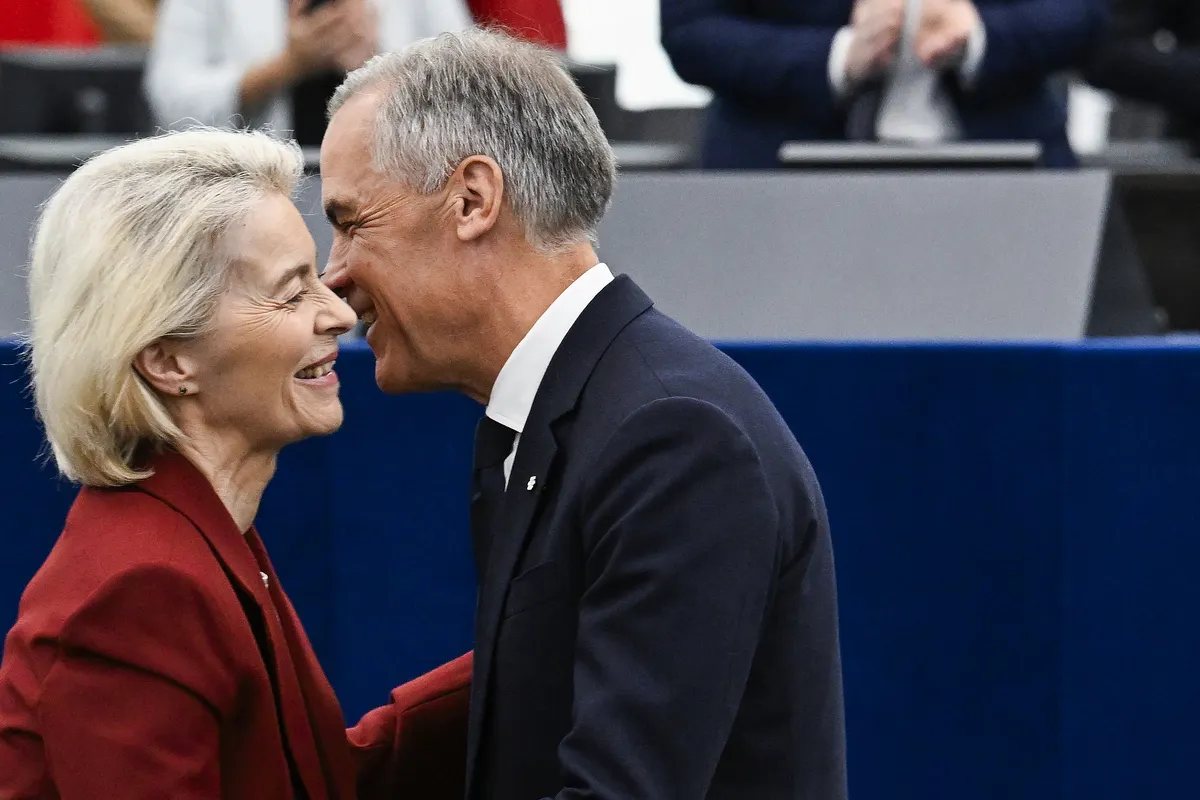
The European Union and Canada have announced a mutual intention to form a deeper relationship, a development that has drawn international headlines and raised questions about how far the two partners are prepared to go. The declaration signals a shared political will to strengthen cooperation, though the practical shape of that relationship remains to be defined.
Writing from a Canadian perspective, Mandy Pipher, a resident Canadian commentator, examines whether her compatriots would actually accept tighter ties with Europe. Her assessment suggests that public opinion in Canada may not be as enthusiastic as the diplomatic language implies, and that the gap between elite intentions and popular sentiment could prove significant.
The announcement comes at a time when both Brussels and Ottawa have been looking to diversify their international partnerships. For the EU, deepening ties with Canada fits a broader strategy of reinforcing relationships with like-minded democracies. For Canada, closer engagement with Europe offers a counterweight to dependence on other major partners, particularly as global trade and security arrangements shift.
Yet the question of public acceptance is not a minor detail. In Canada, as in many countries, voters have grown more attentive to questions of sovereignty, economic integration, and the cultural implications of international agreements. Any move toward a more structured relationship with Europe would likely require public buy-in, or at least a public that is not actively opposed.
The commentator's analysis points to a potential disconnect. While political leaders and diplomats may see closer ties as a strategic necessity, ordinary Canadians may view the prospect with caution or indifference. That gap matters because democratic governments cannot sustain ambitious foreign policy commitments without some measure of domestic legitimacy.
The EU-Canada relationship already rests on a substantial foundation, including a comprehensive trade agreement and cooperation on climate, security, and multilateral affairs. The new intention to go deeper suggests both sides want to build on that base, possibly in areas such as digital policy, energy, and defense. But each of those areas carries domestic sensitivities.
For European readers, the Canadian case is instructive. It illustrates a broader pattern in which governments pursue closer international alignment while publics remain skeptical or divided. The same dynamic can be seen within Europe itself, where questions of further integration often run ahead of voter sentiment.
What remains unclear is how the announced intention will translate into concrete steps, and whether either side will invest in building public support. If the relationship deepens without that foundation, it may face resistance down the line. If it proceeds carefully, it could serve as a model for how democracies manage the tension between strategic ambition and popular consent.
For now, the headlines reflect an elite-level agreement. Whether Canadians truly want closer ties with Europe is a question that will be answered not in diplomatic communiqués but in the broader public conversation that follows.