EU Demands Russia Allow Humanitarian Aid into Occupied Oleshky
The European Commission has called on Moscow to immediately grant humanitarian access to the occupied Kherson region town of Oleshky, where residents have long suffered from hunger.
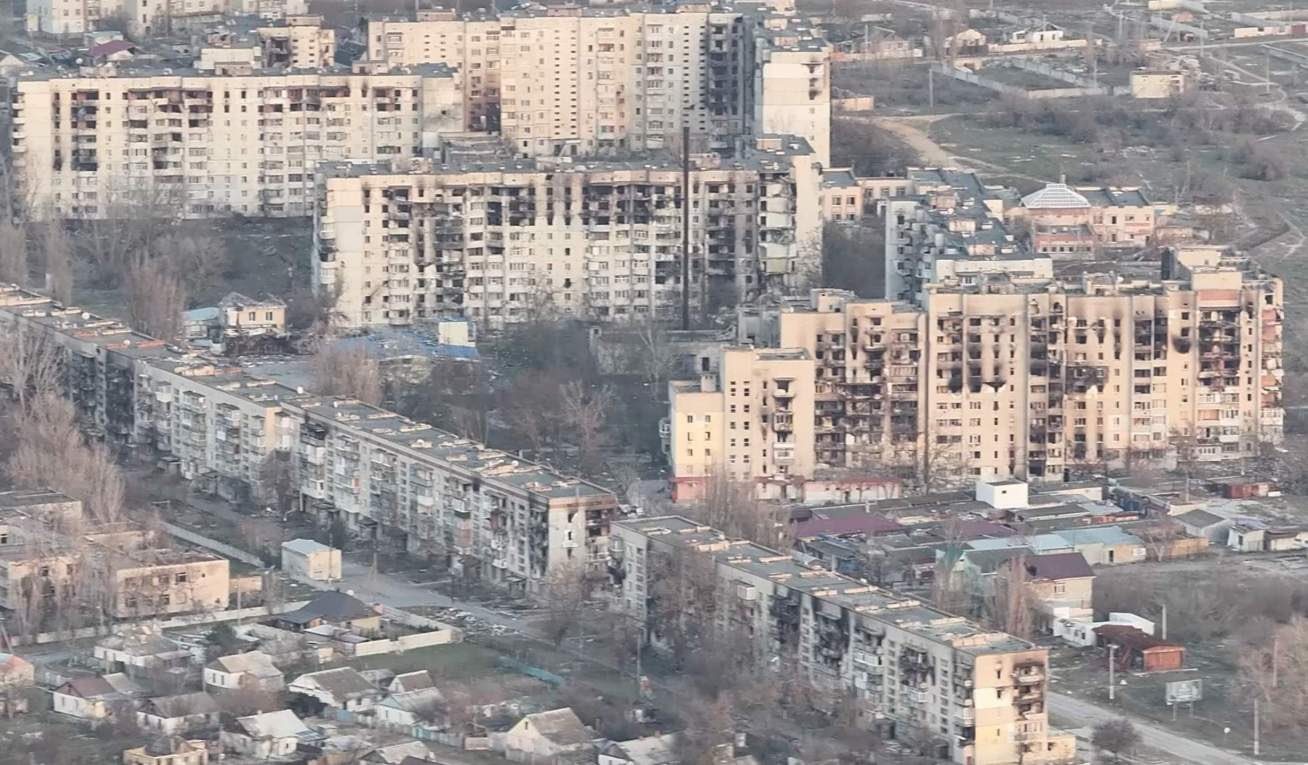
The European Commission has urged Russia to immediately allow humanitarian aid into Oleshky, an occupied town in Ukraine's Kherson region, where the local population has been suffering from prolonged hunger. The demand was reported by RBC Ukraine, underscoring growing international concern over the humanitarian situation in territories under Russian control.
Oleshky, located on the left bank of the Dnipro River just across from the regional capital Kherson, has been under Russian occupation since the early months of the full-scale invasion. The town's residents have reportedly faced severe food shortages for an extended period, with aid agencies unable to reach them. The European Commission's call highlights the urgency of the crisis and places direct responsibility on Moscow to ensure relief supplies can get through.
The appeal from Brussels is the latest in a series of international efforts to address the deteriorating conditions in occupied Ukrainian territories. Humanitarian organizations have repeatedly warned that access to civilians in these areas is severely restricted, leaving many without adequate food, medicine, or other basic necessities. The Commission's statement that «it is horrifying what is happening there» reflects the gravity of the situation and the frustration of international bodies unable to deliver assistance.
Under international humanitarian law, occupying powers are obligated to ensure the provision of food and medical supplies to the civilian population. The European Union's demand that Russia act immediately is consistent with this legal framework and with previous calls from the United Nations and other international actors. However, enforcement remains a challenge, as humanitarian corridors and aid convoys require the cooperation of Russian authorities, which has so far been limited.
The situation in Oleshky is emblematic of the broader humanitarian crisis in the Kherson region, where fighting and occupation have disrupted supply chains and left many communities isolated. Since the destruction of the Kakhovka Dam in June 2023, conditions have worsened further, with flooding and environmental damage compounding the existing hardships. The town's proximity to the front line makes aid delivery even more dangerous and complex.
European officials have not specified what consequences Russia might face if it fails to comply, but the Commission's public demand increases diplomatic pressure. The EU has already imposed multiple rounds of sanctions on Russia and has provided billions of euros in humanitarian and military support to Ukraine. The call for access to Oleshky is part of a wider strategy to hold Moscow accountable for the treatment of civilians in occupied areas.
For the residents of Oleshky, the international appeal may offer a glimmer of hope, but it remains uncertain whether it will translate into tangible relief. Humanitarian groups stress that time is critical, as prolonged hunger and lack of medical care can have irreversible effects, particularly on children and the elderly. The European Commission's intervention serves as a reminder that the human cost of the conflict continues to mount, even in areas that have faded from the headlines.
The demand also comes amid ongoing debates within the EU about how to address the humanitarian dimensions of the war. While military and financial support for Ukraine remains a priority, the bloc has increasingly focused on documenting alleged war crimes and human rights abuses in occupied territories. Access for aid workers would not only alleviate suffering but also allow for better monitoring of conditions on the ground.
Whether Russia will respond to the European Commission's call is unclear. Moscow has consistently rejected international criticism of its actions in occupied areas and has accused Western powers of politicizing humanitarian issues. For now, the residents of Oleshky remain dependent on the decisions of authorities far from their homes, as the international community waits to see if the demand for access will be honored.
5