EU Salvages Russia Sanctions Deal but Spares Two Oligarchs
Brussels bowed to French and Luxembourg demands to exempt two Russian oligarchs from sanctions, narrowly preserving the EU's wider sanctions regime against Moscow as Kyiv sharply criticized the concession.
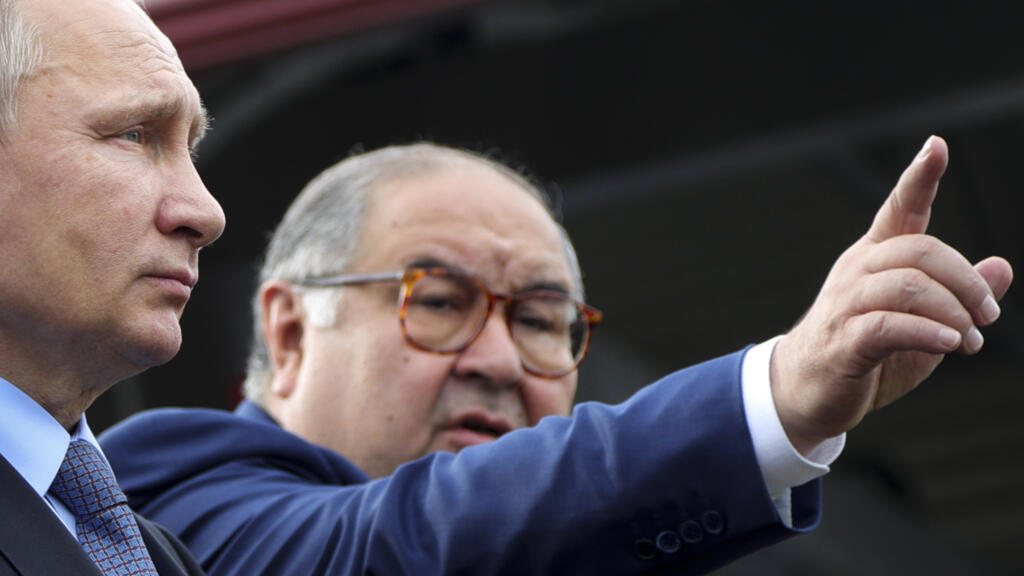
The European Union narrowly preserved its sanctions regime against Russia after Brussels yielded to demands from France and Luxembourg to exempt two Russian oligarchs from the measures, diplomats said. The last-minute agreement averted what would have been a damaging lapse in the bloc's restrictive measures against Moscow, but it came at a political cost: Kyiv reacted with sharp criticism of the concession.
The decision followed internal debate among member states over whether the sanctions list should be eased for the two individuals, a question that had threatened to unravel the broader package. By aligning with Paris and Luxembourg, Brussels kept the wider sanctions architecture intact while carving out an exception that critics say weakens the signal the EU intends to send to Moscow.
The episode underscores the persistent friction inside the EU over how far economic and individual sanctions should go, and how evenly the burden of those measures is shared among member states. France and Luxembourg had pushed for the exemptions, and their position ultimately prevailed, according to the diplomats' account. The compromise allowed the sanctions to survive, but it also exposed the limits of European unity on the question of punishing Russia's elite.
Ukraine's reaction was swift and severe. Kyiv has consistently argued that any softening of sanctions — even a narrow, targeted exemption — undermines the pressure campaign built up over months of war and hands a symbolic victory to Moscow. The criticism reflects a broader anxiety in Kyiv that European resolve may fray as the conflict drags on and economic costs accumulate for member states.
The same day, Russian strikes killed two people in Dnipro, according to reports on the ground, a reminder of the human toll that continues even as European capitals debate the technicalities of sanctions policy. The juxtaposition of the two developments — a diplomatic compromise in Brussels and deadly attacks in Ukraine — illustrates the gap between the slow, consensus-driven machinery of EU decision-making and the immediate violence of the war.
For the EU, the outcome is a mixed result. The bloc can claim it preserved its sanctions against Russia at a moment when a failure to renew them would have been read as a significant weakening of its stance. But the exemption for two oligarchs gives ammunition to those who argue that Europe's measures are unevenly applied and vulnerable to national interests.
The debate over the two oligarchs had been framed as a question of lifting or maintaining sanctions against them, and it played out against the backdrop of continued Russian military action. That the compromise was reached only in the final moments suggests how fragile the consensus remains, and how much diplomatic energy is required simply to hold the line.
What happens next will depend on whether the exemption remains an isolated case or becomes a precedent for further carve-outs. For now, the sanctions stand, the two oligarchs are spared, and Kyiv's frustration is on the record — a snapshot of the uneasy balance the EU is trying to maintain between unity, national interests, and the demands of a war that shows no sign of ending.
3