Germany and US Weigh Licensed European Production of Patriot and Tomahawk Systems
Defense ministers Pete Hegseth and Boris Pistorius meet in Washington to deepen transatlantic industrial cooperation, with an agreement that could allow European firms to build American weapons under license.
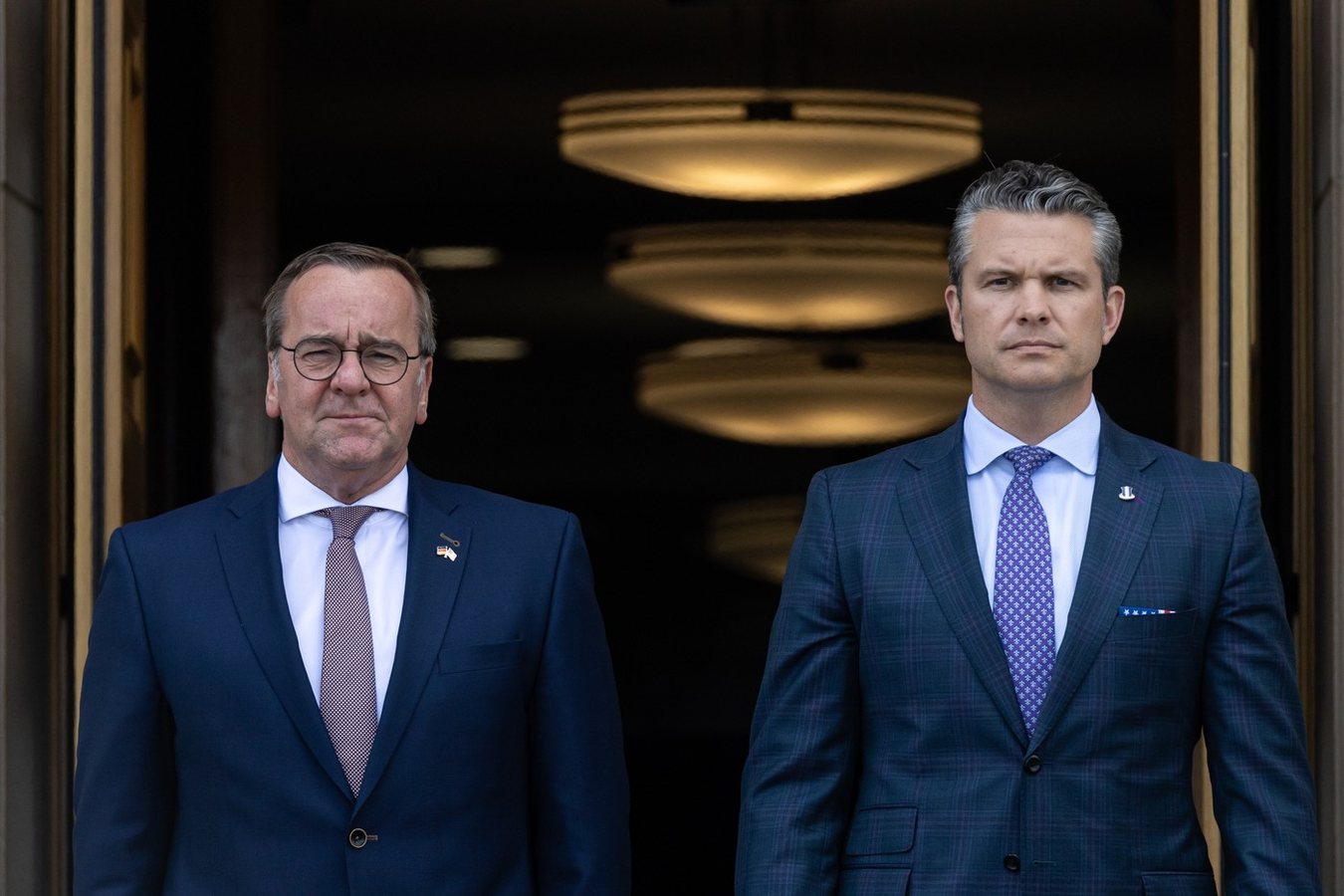
The United States and Germany are preparing to deepen cooperation between their defense industries, with talks in Washington expected to produce an agreement that could allow European companies to manufacture certain American weapons systems under license. The discussions involve US Defense Secretary Pete Hegseth and German Defense Minister Boris Pistorius, and center on the licensed production of systems such as Patriot air defense and Tomahawk cruise missiles.
According to reporting by Bloomberg, the two sides are working toward a framework that would give European firms access to American technology and production rights. Such an arrangement would mark a significant shift in how transatlantic defense procurement has traditionally operated, moving beyond simple sales toward joint manufacturing on European soil.
The Patriot system is a surface-to-air missile platform used for air and missile defense, while the Tomahawk is a long-range cruise missile deployed primarily from ships and submarines. Both are among the most sensitive and widely sought American weapons systems, and any transfer of production technology would require extensive negotiation over intellectual property, security safeguards, and export controls.
For European governments, the appeal of licensed production lies in reducing dependence on overseas supply chains and shortening delivery times. Demand for air defense systems has risen sharply across Europe in recent years, and manufacturers on both sides of the Atlantic have struggled to keep pace with orders. Building components or complete systems in Europe could ease bottlenecks and strengthen the continent's industrial base.
For Washington, the arrangement would reinforce alliance ties and ensure that European partners remain interoperable with US forces. It could also serve as a signal of long-term commitment to European security at a time when defense spending and burden-sharing are under close political scrutiny on both sides of the Atlantic.
The talks in Washington are expected to focus not only on specific systems but on the broader legal and industrial architecture needed to make licensed production workable. That includes questions of technology transfer, quality control, and the role of American contractors in overseeing European manufacturing lines.
If an agreement is reached, it would not immediately translate into new factories or production lines. Defense procurement moves slowly, and any licensed manufacturing program would require congressional notification, export licenses, and detailed contracts between governments and companies. Still, the direction of the talks suggests a willingness in both capitals to rethink how weapons are bought and built.
The meeting between Hegseth and Pistorius comes amid wider debate in Europe about strategic autonomy and the reliability of American security guarantees. Germany has been among the most vocal advocates of closer European defense cooperation, while also remaining a major buyer of American equipment. Licensed production could bridge those two positions, allowing Germany and its neighbors to build on US technology while expanding their own industrial capacity.
Officials have not announced a final agreement, and the specifics of which systems would be covered, and under what terms, remain to be settled. The outcome of the Washington talks will be watched closely by defense contractors, allied governments, and policymakers seeking to understand how far the United States is willing to go in sharing sensitive military technology with European partners.