Investigation Reveals Secret US Deals to Deport Migrants to African Countries
A seven-month investigation by a consortium of 26 media outlets has uncovered secret agreements between the Trump administration and several African nations to accept deported undocumented migrants, with at least 25,400 people expelled to third countries between January 2025 and August 2026.
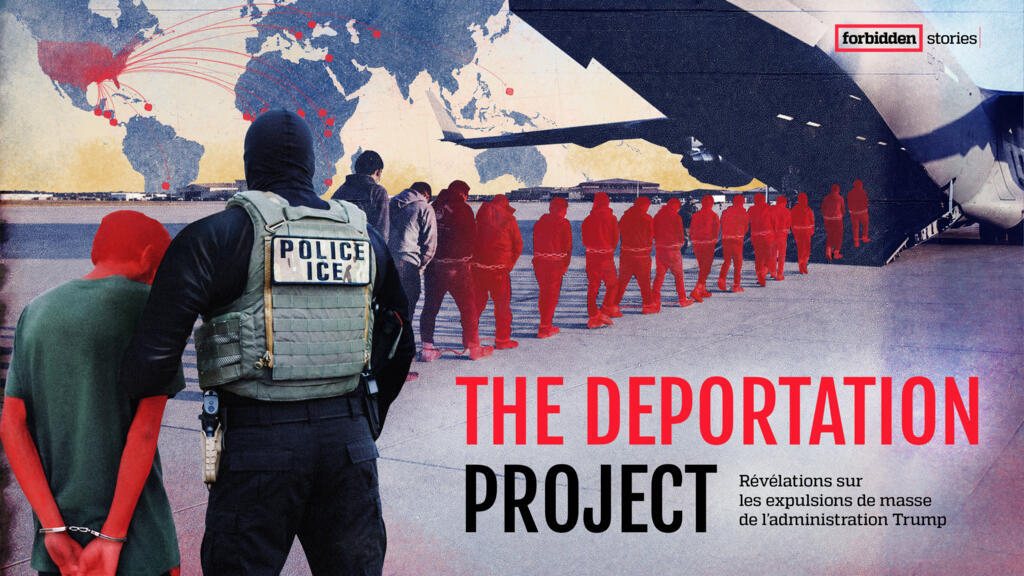
A consortium of 26 media outlets coordinated by the investigative organization Forbidden Stories has published the findings of a seven-month investigation into the secret agreements between the administration of US President Donald Trump and several African countries to accept undocumented migrants deported from the United States. The investigation, conducted by FRANCE 24 and RFI, among others, reveals that these so-called «third countries» have agreed to host migrants detained by US Immigration and Customs Enforcement (ICE) and expelled from American territory.
According to the investigation, at least 25,400 people were deported by the United States to third countries between January 2025 and 31 August 2026. Around 35 countries, primarily in Africa and Latin America, have signed agreements with Washington to receive migrants who originated from elsewhere. The deals, negotiated in secret, raise profound questions about the legal and humanitarian implications of transferring individuals to nations where they have no connections, family ties, or legal status.
The investigation also documents the human consequences of these policies. In Cameroon, FRANCE 24 and Forbidden Stories reported on the situation of several African migrant women who had been persecuted in their home countries and had hoped to build new lives in the United States. Instead, they were expelled to Cameroon under a secret agreement between the two governments, despite having no ties to the country. They are now housed in a center in Yaoundé, without passports or any clear legal status, facing an uncertain future in a land that is not their own.
These cases illustrate a broader pattern of what critics describe as the outsourcing of migration control. By arranging for third countries to accept deportees, the US administration effectively bypasses traditional asylum and human rights protections that would apply if migrants were returned to their countries of origin. Many of those deported are fleeing persecution, conflict, or violence, and their transfer to unfamiliar African nations leaves them in a legal limbo with limited access to basic services or the possibility of rebuilding their lives.
The investigation by the media consortium sheds light on the scale and secrecy of these operations. The agreements were not publicly disclosed, and the full list of participating countries remains unclear. The involvement of 26 news organizations across multiple continents underscores the global significance of the story and the difficulty of uncovering arrangements that span international borders and involve vulnerable populations.
The findings raise urgent questions about accountability and the moral responsibilities of states. For religious and humanitarian organizations, the treatment of migrants and refugees is a central concern rooted in the dignity of the human person. The deportation of individuals to countries where they have no connections, often without proper documentation or support, challenges fundamental principles of compassion and justice that many faith traditions uphold.
As the investigation continues to generate responses, it remains to be seen how governments, international bodies, and civil society will react to these revelations. The fate of the thousands already deported, and of those who may face similar transfers in the future, depends on the pressure brought to bear by the public and by institutions committed to the protection of migrants and refugees.