Russia halts shipping through Azov-Don Canal after Ukrainian drone attacks
Russia has suspended navigation through the Azov-Don Canal and the Kerch Strait following Ukrainian drone strikes on 13 vessels in the Sea of Azov, disrupting a key route for Russian grain exports.
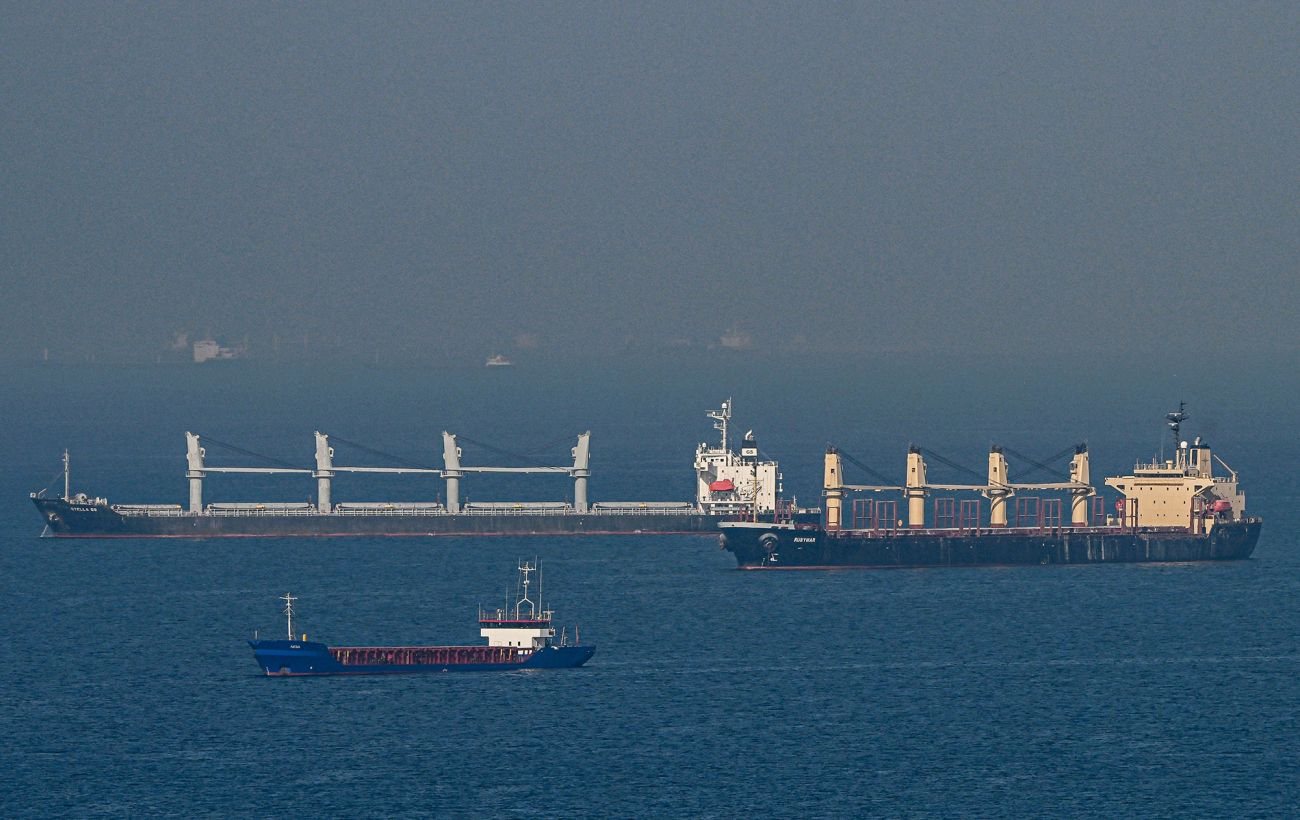
Russia has temporarily suspended shipping through the Azov-Don Canal and the Kerch Strait after Ukrainian drone attacks damaged 13 vessels in the Sea of Azov, including 10 tankers, according to Reuters. The move disrupts a vital waterway that connects the Sea of Azov to the Black Sea and is used for exporting Russian grain.
Russian border guards informed shipping companies that all requests to transit the Kerch Strait, which links the Sea of Azov to the Black Sea, would not be accepted starting at 18:10 local time on Friday, July 10. The authorities did not specify when navigation would resume, leaving exporters uncertain about the duration of the disruption.
Analysts note that up to a quarter of Russia's wheat exports pass through the Sea of Azov via the Azov-Don Canal. The canal is a navigable waterway connecting the Don River to the Sea of Azov, and it serves as a critical artery for grain shipments from Russia's key agricultural regions, including Rostov and Krasnodar, which are located along the Sea of Azov coast. The second-largest port in Russia's Black Sea region is situated in the Kerch Strait.
The suspension follows a series of Ukrainian drone strikes on Russian vessels in the Sea of Azov on the night of July 9. Ukrainian forces targeted ships, an oil terminal, and an ammunition depot, striking 12 Russian navy vessels in the Sea of Azov. Satellite imagery confirmed damage to Russian tankers after the large-scale drone attack.
In response to the shipping halt, wheat prices on Euronext rose by 4% on July 10, reaching their highest level in six weeks. The price increase reflects market concerns about potential disruptions to grain supplies from the Black Sea region, which is a major corridor for both Ukrainian and Russian grain exports.
Ukraine has recently intensified attacks on Russian oil refineries, causing fuel shortages across Russia. Many analysts and international organizations have warned about risks to global grain trade from the war in Ukraine, as the Black Sea is used by both countries for grain exports. However, during the four-and-a-half-year conflict, there had been no major disruptions to grain trade until now.
In the spring, Ukrainian President Volodymyr Zelensky stated that Egypt would no longer accept grain from Russia that Moscow exports from temporarily occupied Ukrainian territories. This development adds further pressure on Russian grain export routes.
The suspension of shipping through the Azov-Don Canal and Kerch Strait is likely to have significant consequences for global grain markets, as Russia is one of the world's largest wheat exporters. The disruption could lead to higher prices and supply chain challenges for importers, particularly in regions that rely heavily on Russian grain.
Analysts are closely monitoring the situation, as any prolonged halt in navigation could exacerbate existing tensions in global food markets. The Black Sea region remains a critical chokepoint for grain trade, and the conflict continues to pose risks to maritime security and commercial shipping.
68