Russia Hosts 48 Nations at Moscow Africa Summit, Pledging Energy and Security Deals
At the third Russia-Africa Summit in Moscow, Moscow pledged nuclear projects, military cooperation and education offers. Experts, however, call for verifiable results rather than mere declarations of intent.
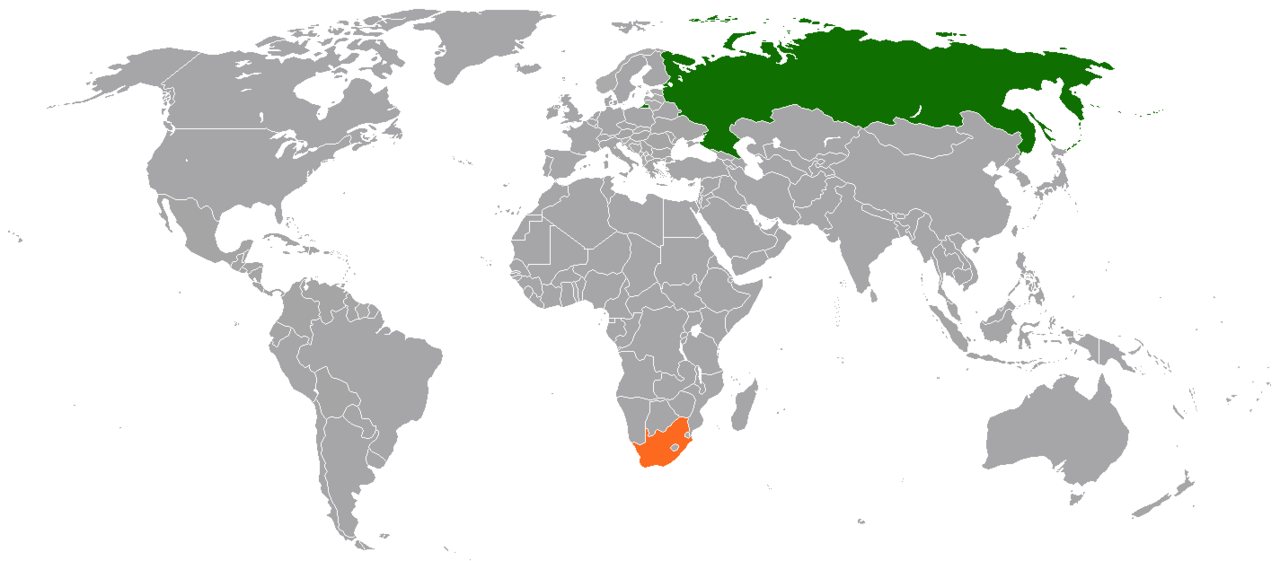
At the third Russia-Africa Summit in Moscow on 28 and 29 October, delegations from 48 countries gathered, including more than two dozen African heads of state and government. The focus was on Russia's commitments in the fields of energy, industry, security and education. Analysts stress, however, that the benefit must be measured by what is actually implemented, and not solely by the declarations announced in Moscow.
The largest project is the El-Dabaa nuclear power plant in Egypt, with a volume of 30 billion dollars. It is being built and financed by Rosatom. The summit's final declaration also contains an action plan for the years 2027 to 2029. In addition, a declaration on the civilian use of artificial intelligence was signed, providing for research partnerships and exchange in this field.
Economically, the relationship has so far been modest. Trade between Russia and Africa amounted to 27 billion dollars in 2025, up from 16.8 billion dollars in 2019. By comparison, trade between China and Africa reached around 348 billion dollars in the same year, and that between the European Union and Africa about 395 billion dollars. Experts therefore warn that Russia will remain a minor trading partner as long as the exchange is limited to imports of Russian goods.
Against this background, specialists urge African countries to focus more strongly on local production and value creation. Agricultural exports such as coffee, tea and cut flowers face trade barriers in the European Union and the United States. Another problem is the raw materials sector: many of Africa's mineral resources are still exported unprocessed. Russian technologies are now expected to help process minerals within the countries themselves.
In the security field, Moscow also offered support, including military equipment, intelligence cooperation and training. Observers cited military relations with the countries of the Sahel region as an important example. It is precisely there that Russia has established itself as a security partner in recent years, a role that remains controversial in the region.
In education, more than 40,000 African students are now studying at Russian universities. Since 2020, this represents an increase of around 50 percent. Additional scholarships and research partnerships in artificial intelligence are planned. Politically, Russia also supports a permanent African seat on the UN Security Council as well as a broader reform of the body. Africa accounts for 54 states and a large voting bloc in the United Nations.
It remains open whether the commitments made in Moscow will actually be implemented or remain on paper. It is equally uncertain whether the trade imbalance with Russia will ever approach the level of exchange with China or the European Union.
Source: rt-english.com
12