Russian Motorcyclist Identified as Mastermind of Failed Drone Attack on Leipzig Airport
A Russian motorcyclist with ties to a senior coordinator of Russian sabotage operations in Europe has been identified as the person who orchestrated the failed explosive drone attack on a Ukrainian cargo plane at Leipzig Airport, according to an investigation by The Telegraph and Welt am Sonntag.
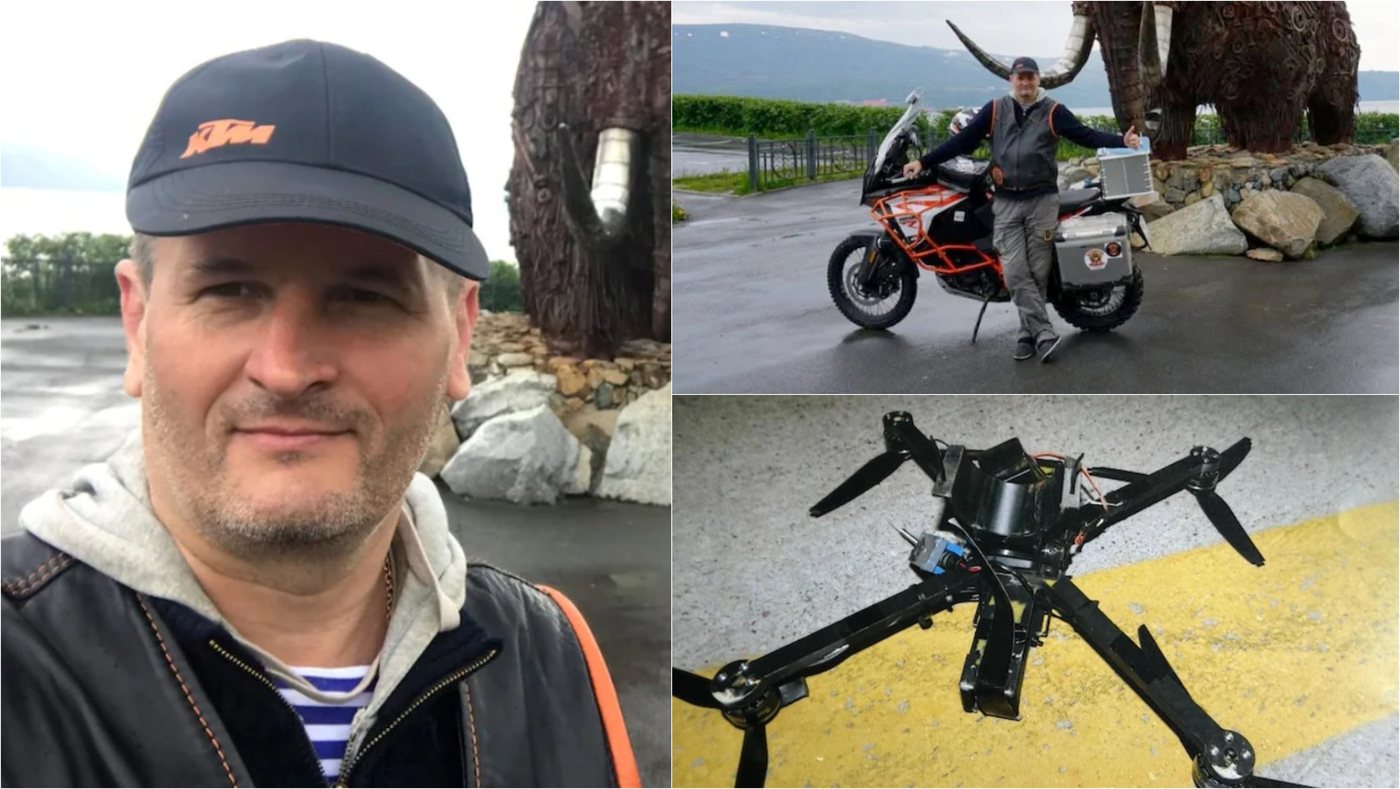
A Russian motorcyclist with direct links to one of the principal coordinators of Russian sabotage operations across Europe has been identified as the figure who orchestrated the failed drone attack on a Ukrainian cargo aircraft at Leipzig Airport, according to a joint investigation by The Telegraph and Welt am Sonntag. The attack, which involved a drone carrying explosives, targeted a Ukrainian cargo plane parked at the airport but ultimately failed.
The suspect led what investigators describe as a double life: outwardly a motorcyclist, but allegedly a clandestine operative moving through Europe to organize sabotage missions. His connections reach one of the main coordinators of Russian sabotage activities against European targets, suggesting the Leipzig operation was not an isolated act but part of a broader campaign.
The investigation sheds light on a pattern of covert Russian operations aimed at disrupting military and logistical support for Ukraine across the continent. The use of explosive-laden drones against an aircraft at a major German airport marks a significant escalation in tactics, raising concerns about the reach and boldness of such clandestine missions deep inside European territory.
Leipzig Airport, located in eastern Germany, has served as a logistics hub for cargo flights linked to Western military assistance to Ukraine. The attempted attack underscores the vulnerability of critical infrastructure and the persistent threat posed by Russian sabotage networks operating within the European Union.
According to the findings, the motorcyclist’s role fits a broader pattern in which Russian intelligence services recruit or deploy individuals who can blend into ordinary life while carrying out covert tasks. These operatives often maintain a low profile, using legitimate professions or hobbies as cover for clandestine activities.
The failed attack has prompted renewed scrutiny of security measures at airports and military logistics sites across Germany and beyond. Authorities in several European countries have warned in recent months about an increase in sabotage attempts, including arson, vandalism, and drone intrusions, attributed to Russian proxies.
The investigation by The Telegraph and Welt am Sonntag adds a detailed case study to the growing body of evidence about how these operations are planned and executed. It also highlights the challenges European security services face in tracking individuals who lead seemingly normal lives while allegedly serving as agents of a foreign power.
While the suspect has been identified, the investigation does not specify whether he has been arrested or charged. The case remains under investigation, and it is unclear what further steps European authorities might take in response to the findings.
The incident at Leipzig Airport is part of a wider pattern of Russian attempts to undermine European security and support for Ukraine. As the war in Ukraine continues, such covert operations are likely to remain a serious concern for European governments and intelligence agencies.
4