South Korea's Lee Keeps Détente Offer After Landmine Injures Three Soldiers
President Lee Jae Myung continues to pursue détente with Pyongyang after a landmine explosion injured three soldiers and avoids direct criticism of North Korea.
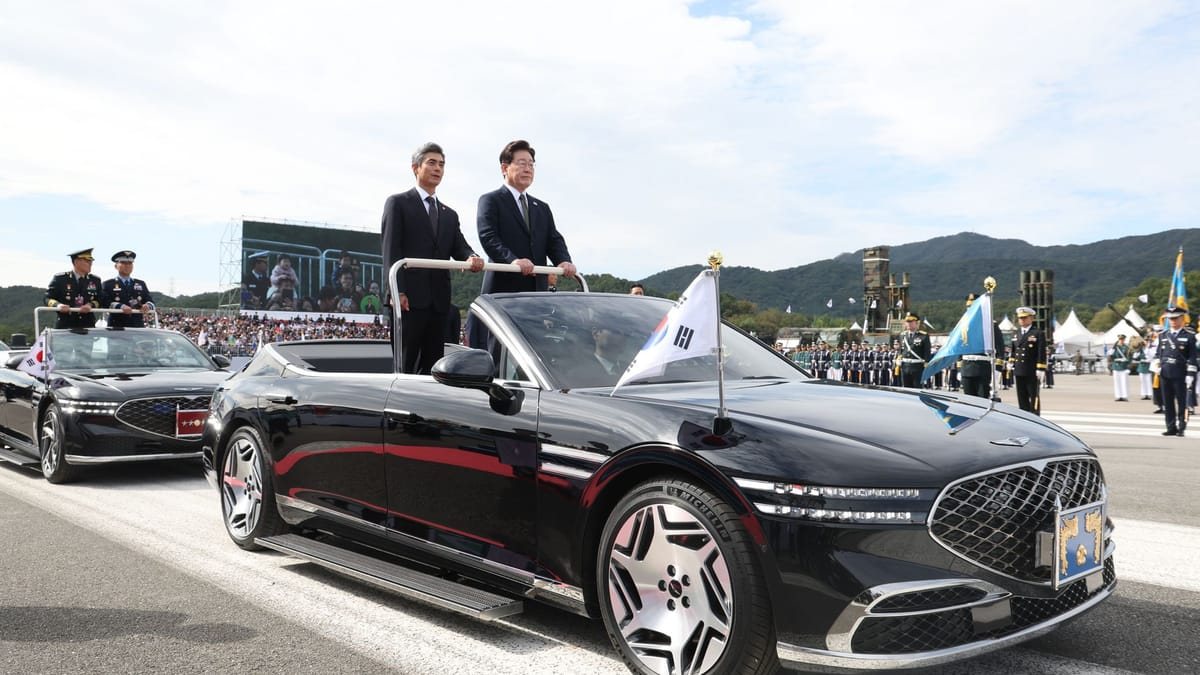
South Korean President Lee Jae Myung is sticking to his policy of détente toward North Korea despite a landmine explosion that seriously injured three South Korean soldiers. In a speech on Armed Forces Day, Lee said his government would consistently pursue "practical measures" to reduce military tensions between the two Koreas. He expressed hope that North Korea would take part in resuming dialogue.
The remarks come only a few days after the incident, which occurred on September 21 in the southern border area along the inter-Korean border. Following a joint investigation with the UN Command, the South Korean military believes with high probability that North Korean landmines triggered the explosion. Defense Minister Kang Shin Chul stated on Monday that the mines were likely laid by North Korea south of the military demarcation line and most likely were not washed to the explosion site by rainfall. This would constitute a clear violation of the armistice agreement between the two states.
North Korea rejected the accusations and threatened retaliation in the event of an escalation. Kim Yo Jong, the influential sister of leader Kim Jong Un, described the South Korean military leadership as "military gangsters" and its investigation results as a "staged conspiracy farce." In his speech, President Lee addressed the mine incident only very indirectly, referring to an "unexpected accident" in the demilitarized zone. He avoided direct criticism of North Korea or assigning responsibility.
Since taking office more than a year ago, Lee has pursued a policy of rapprochement toward Pyongyang. In September, in an interview with the New York Times, he advocated easing economic sanctions against North Korea should the state leadership freeze its nuclear weapons program. North Korean leader Kim Jong Un, however, has so far shown a dismissive attitude toward South Korea's efforts at dialogue.
Formally, North and South Korea remain in a state of war since the end of the Korean War from 1950 to 1953, as no peace treaty has yet been signed. Tensions on the Korean Peninsula have markedly increased again in recent years. The latest mine incident and the sharp rhetoric from Pyongyang underscore how fragile the situation along the inter-Korean border remains, while Seoul simultaneously seeks de-escalation.
Source: t-online.de
73