Trump Says Netanyahu's Political Future Not Settled by October 7 Warning Claims
US President Donald Trump has cautioned against assuming that allegations Israeli Prime Minister Benjamin Netanyahu ignored Emirati and Egyptian warnings before the October 7, 2023 attack will end his career, as the Israeli leader's Likud party faces a difficult election in late October.
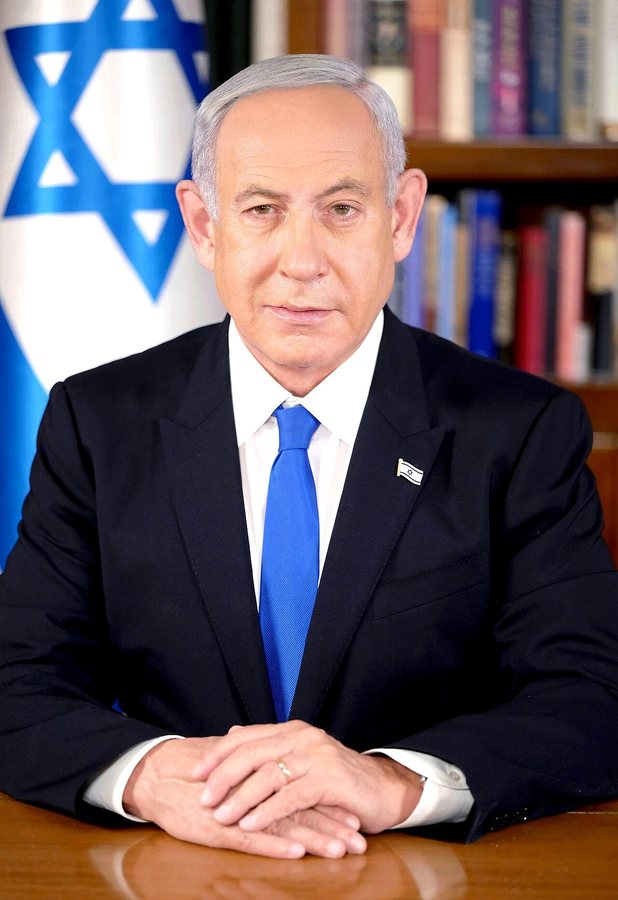
US President Donald Trump has warned against assuming that allegations Israeli Prime Minister Benjamin Netanyahu ignored warnings from the United Arab Emirates and Egypt before the October 7, 2023 attack will end his political career. In an interview with Time magazine published on Thursday, Trump said the Israeli leader should not be underestimated despite the controversy surrounding the deadliest single-day attack in Israel's history.
«People have written off Bibi many, many times, just like they've written off me many, many times. I wouldn't underestimate Bibi,» Trump said. He added that his primary concern is «to help them defend Israel,» and suggested that if Netanyahu had known an attack was imminent, «he would have done something about it.»
The accusations stem from a Haaretz report in early September claiming that UAE President Mohamed bin Zayed warned Netanyahu that Hamas was preparing a major attack. According to the report, Netanyahu downplayed the warning and did not pass it on to his security chiefs. Separate reports about an Egyptian warning date back to the immediate aftermath of the incursion.
Netanyahu's office has rejected the claims. The Associated Press reported this week that the Israeli prime minister sought to persuade the UAE leader to publicly deny the story during a surprise visit to the Arab nation over the weekend. The allegations have become a major political issue in Israel, where Netanyahu's Likud party faces a difficult election in late October, and have also drawn significant coverage in US and international media.
The political stakes are considerable. Netanyahu has been accused of either failing to properly assess the threat posed by Gaza militants or deliberately allowing the attack to happen in order to justify a major military campaign against the Palestinian enclave. Either interpretation carries serious implications for his legacy and for public trust in his leadership.
Criticism has also emerged from unexpected quarters in the United States. MS Now host Mika Brzezinski said Israel's border with Gaza was «wide open, the gates were empty» on the day of the attack, arguing that the Israeli government «had practically opened the door» by moving security forces to the West Bank. Her co-host and husband, Joe Scarborough, added that «Netanyahu was warned repeatedly that it was coming, and yet he continued funding Hamas through Qatar.»
Brzezinski and Scarborough are part of the US media establishment and have been consistent pro-Israeli voices on cable television. Their criticisms of Netanyahu suggest he is losing sway in the United States, where his standing has long been a key asset in Israeli politics.
In August, Netanyahu claimed personal credit for influencing American policy, saying that his nearly 1,000 hours of appearances on American television had helped him shape opinion in Washington and eventually bring the Trump administration around to attacking Iran. That claim now sits uneasily alongside the current wave of scrutiny.
Trump's remarks nonetheless signal that the US president is not prepared to abandon Netanyahu over the warning allegations. By comparing the Israeli leader's resilience to his own, Trump framed the controversy as one more episode in a long record of political survival rather than a decisive turning point. Whether that assessment holds will depend on Israeli voters in October and on how the ongoing investigations into the October 7 failures unfold.
9