UK Crisis Simulation Tests Response to Russian Attack Scenario
A new wargame exercise places real political figures inside a COBR-style crisis room to examine how Britain would respond to a simulated Russian attack, with organisers warning the threat is all too real.
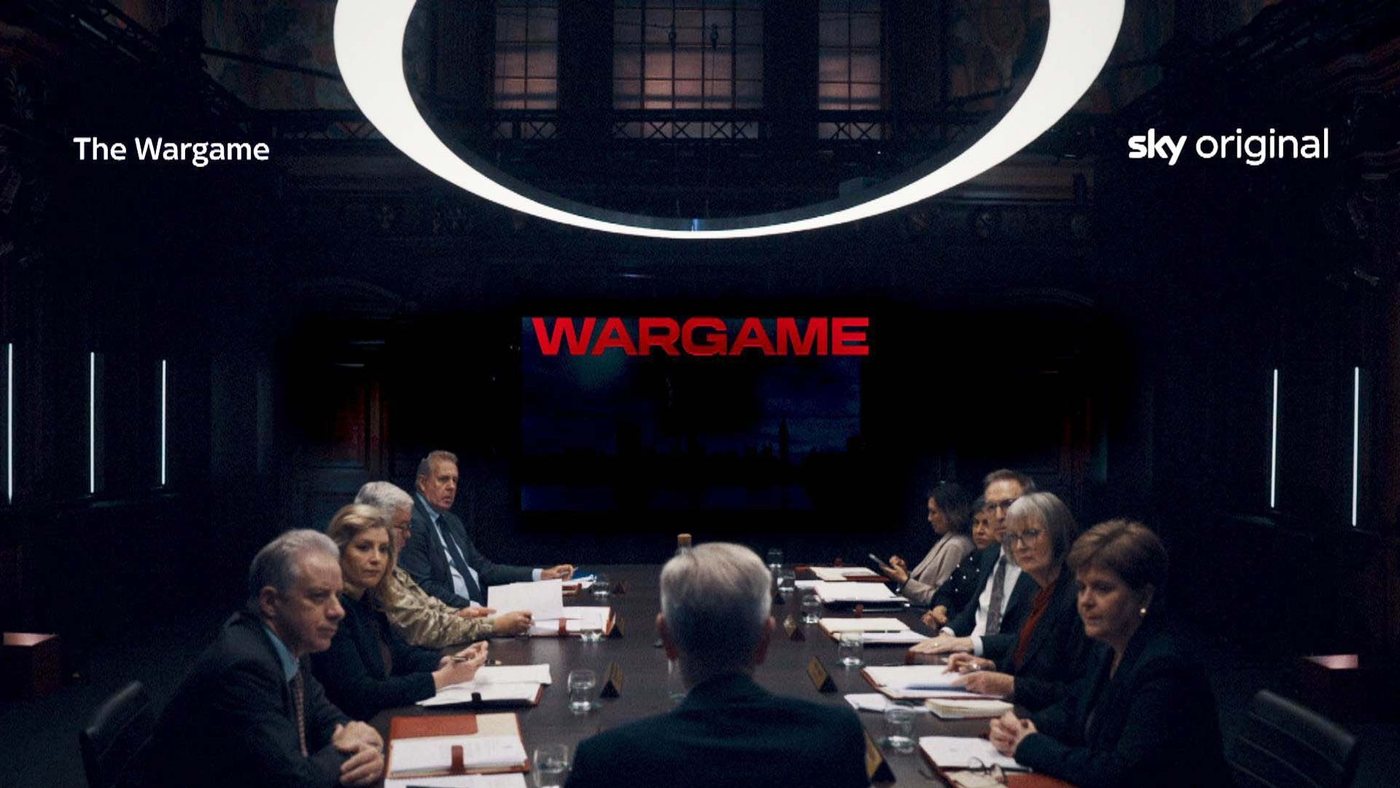
A new crisis simulation is putting real political figures inside a top-secret COBR-style emergency room to test how Britain would respond if Russia launched an attack. The exercise, known as The Wargame, is designed to place decision-makers in a realistic scenario and observe how they react under pressure, according to the organisers behind the project.
The simulation unfolds in a setting modelled on the government's COBR emergency committee, the secure forum where ministers, security officials and military advisers convene during national crises. By placing actual political figures into that environment, the exercise aims to move beyond theoretical tabletop discussions and capture how real people with real responsibilities behave when confronted with an unfolding threat.
Organisers say the scenario is not a distant or abstract possibility. «The threat is all too real,» they warn, framing the exercise as a necessary rehearsal for a danger that British policymakers may one day face. The project is intended to give participants and the public a clearer sense of how the machinery of government would function in the opening hours of a major security emergency.
The Wargame is structured as a realistic scenario rather than a scripted drill. Participants are drawn into the secretive world of a crisis room, where information arrives incomplete, time is short and decisions carry consequences. The format is designed to expose the gap between peacetime political debate and the compressed, high-stakes choices that confront leaders during an attack.
While the exercise is fictional, its subject matter reflects sustained concern in Britain and across Europe about Russian aggression. Since the full-scale invasion of Ukraine, Western governments have repeatedly reassessed their defence posture, intelligence sharing and civil contingency planning. The simulation taps into that broader debate about national resilience and the speed with which democratic institutions can respond to a sudden military threat.
The involvement of real political figures gives the exercise a distinctive quality. Rather than relying on actors or retired officials, the project places current or recent decision-makers in roles that mirror their actual responsibilities. That approach can reveal how individuals weigh intelligence, public communication and alliance obligations when the pressure is genuine, even if the invasion itself is not.
COBR-style crisis rooms are central to how the UK government manages emergencies, from terrorism to natural disasters to military confrontation. The format brings together senior ministers, civil servants, intelligence analysts and military commanders in a single secure location, allowing rapid coordination across departments. Simulating that environment tests not only policy choices but also the human dynamics of leadership under stress.
The Wargame also raises questions about public understanding of national security. By opening a window into a normally closed world, it offers viewers and participants a rare look at how Britain might organise its response to an attack, including the trade-offs between military action, diplomacy and domestic reassurance. Those trade-offs are rarely visible in ordinary political coverage.
Organisers present the exercise as both a warning and a tool. The warning is that the threat from Russia is not hypothetical, and the tool is a rehearsal that can help identify weaknesses before a real crisis arrives. Whether the simulation changes how participants think about preparedness, its central message is that the question is not whether Britain should plan for such a scenario, but how quickly and effectively it could act if the scenario became real.