United Russia Leads First Wartime Parliamentary Vote
Early results show the Kremlin-backed United Russia party ahead in a tightly controlled parliamentary election, the country's first since the war began, held over three days with roughly 111 million eligible voters.
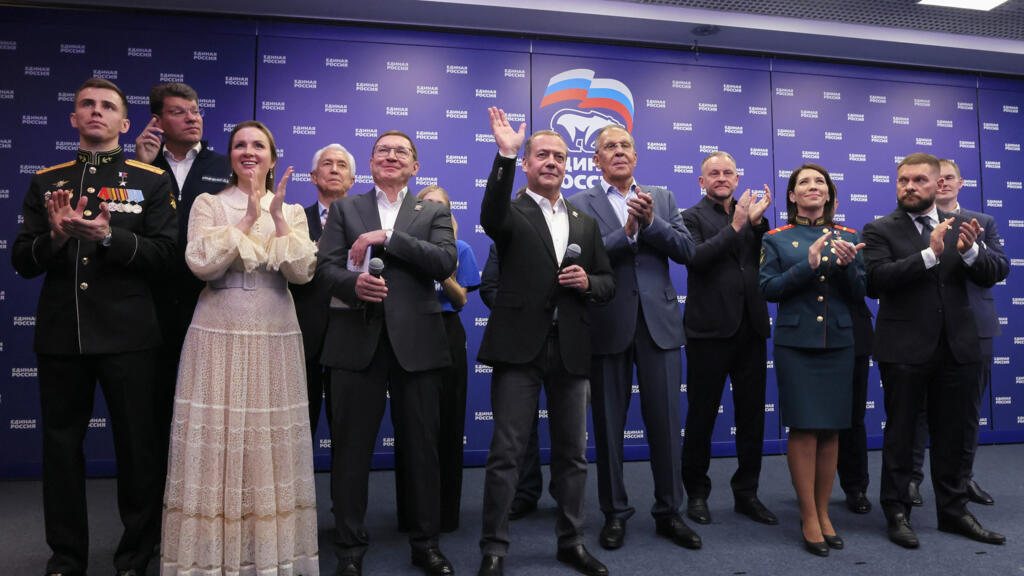
Early results from Russia's parliamentary election show the Kremlin-backed United Russia party leading in a vote that was tightly controlled from the outset. The ballot, held from Friday to Sunday, was the country's first parliamentary election to take place during wartime, with around 111 million people eligible to cast a ballot.
Moscow's mayor said voting proceeded as planned despite Ukrainian drone attacks during the polling period. The three-day format, which has become a feature of Russian elections in recent years, extended the window for balloting across the country's vast territory and its occupied regions.
The outcome of the vote was widely expected to favor United Russia, which has dominated the State Duma for two decades. The party's lead in early returns, reported as polls closed on Sunday, pointed to a continuation of its commanding majority in the lower house of parliament. The election unfolded under conditions that independent observers have described as restrictive, with most genuine opposition figures barred from the ballot or imprisoned, and with state media framing the vote as a show of national unity.
That the election was the first parliamentary ballot held during wartime gave it a significance beyond the usual party arithmetic. It served as a test of the Kremlin's ability to manage the political process while its military campaign continues abroad, and it offered a measure of how the authorities sought to mobilize the electorate under the shadow of conflict. The drone attacks reported during the voting period added a security dimension to the proceedings, though officials in Moscow said the process was not disrupted.
For the wider region, the result carries implications that extend beyond Russia's borders. A parliament that remains firmly under the control of the governing party is unlikely to alter the country's foreign policy course or its military posture. European capitals and international observers will read the outcome as confirmation that domestic political dissent remains tightly constrained, and that the institutions of Russian governance continue to function in line with the preferences of the executive.
The scale of the electorate — some 111 million eligible voters — and the logistical challenge of organizing a nationwide ballot over three days underscored the administrative effort involved. Yet the absence of meaningful competition meant that the principal question was not which party would prevail, but how the authorities would present the result to a domestic audience and to the outside world.
With early results confirming United Russia's lead, attention now turns to the final tally and to the composition of the new Duma. The vote stands as the first electoral test of its kind since the conflict began, and its outcome will shape the political landscape in Moscow for the years ahead.