Webinar to Examine Antiwar Movements in Australia, Japan and South Korea
A webinar on October 23 will bring together historians and activists to discuss opposition to the U.S. war in Indochina in three allied nations, including Australia's draft resistance and the lesser-known peace movements of Japan and South Korea.
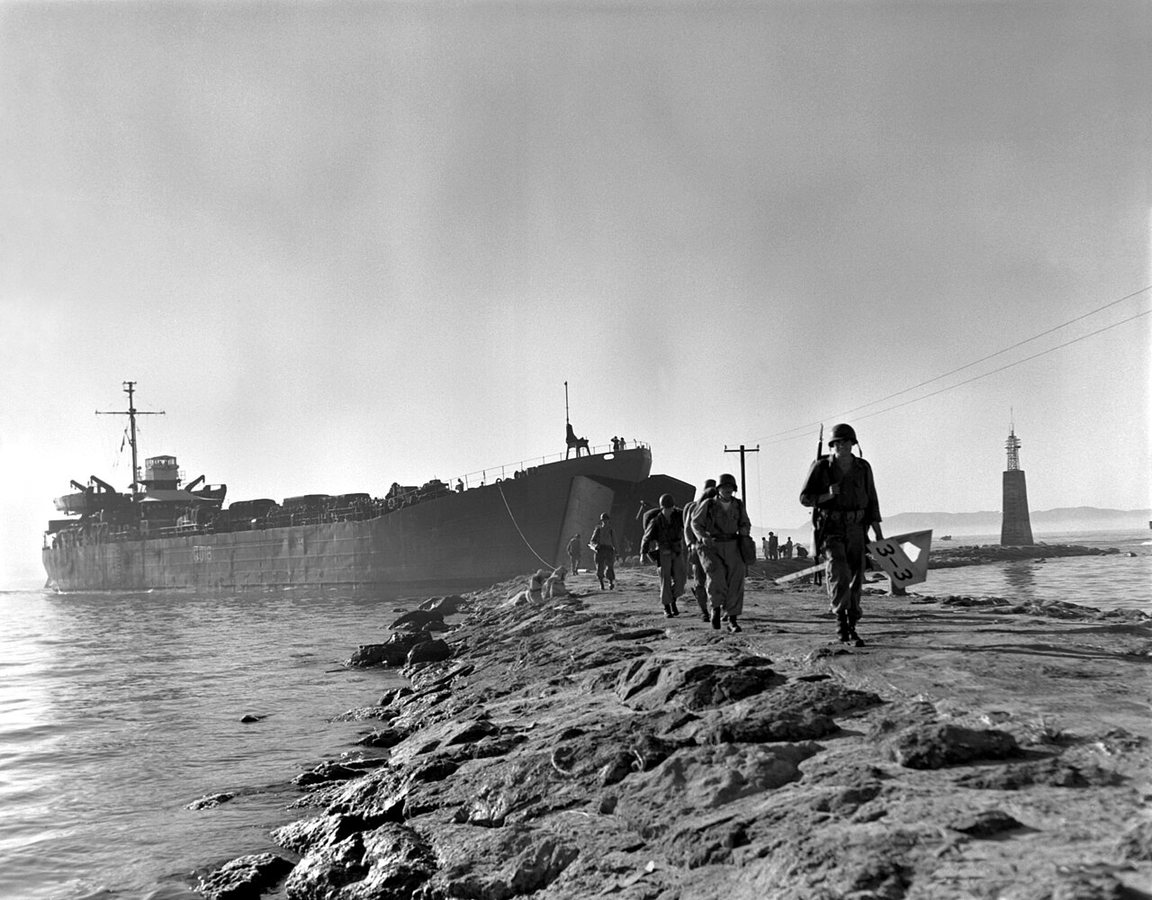
A webinar on October 23 will explore how popular opposition to the U.S. war in Indochina took root in three countries typically regarded as staunch American allies: Australia, Japan and South Korea. The online event, organized by the Vietnam Peace Commemoration Committee, will feature three participants who were active in or have closely studied the peace movements of that era, with a focus on forms of dissent that remained largely unknown to U.S. activists.
During the 1960s and early 1970s, sustained protest against American intervention in Vietnam, Laos and Cambodia emerged in all three nations. U.S. military bases in Australia, Japan and South Korea supported the war effort, and both Australia and South Korea sent troops to fight alongside U.S. forces. In Australia, opposition went beyond verbal dissent to include a significant degree of resistance to conscription, making it one of the more consequential antiwar movements among U.S. allies in the region.
The webinar will hear from Rowan Cahill, a historian and former conscientious objector who was conscripted in 1965 under Australia's selective National Service scheme. Cahill became a prominent figure in the Australian student, antiwar and New Left movements of the 1960s and 1970s, and the Australian Security Intelligence Organisation opened a dossier on him in 1967. He has worked as a farmhand, a teacher in schools and prisons, a university instructor, a freelance writer and a trade union publicist and historian. He is the author of numerous books, including, with Terry Irving, «Radical Sydney: Places, Portraits and Unruly Episodes» and «The Barber Who Read History: Essays in Radical History», and is currently an honorary fellow at the University of Wollongong.
Associate Professor Bobbie Oliver, an honorary research fellow and director of the Centre for Western Australian History at the University of Western Australia, will also speak. Her peace activism began after she studied Gandhi's peace movement in India, and she taught and researched Australian labour history and civil liberties at Curtin University from 1997 until 2018. She has published two books and several chapters and articles on the Australian peace movement, most recently «Hell No! We Won't Go! Resistance to Conscription in Postwar Australia». Her earlier book «Peacemongers», a history of Australian conscientious objectors to military conscription from 1911 to 1945, is being republished and is expected to appear in late 2024 or early 2025.
Journalist Tim Shorrock, who grew up in Japan and South Korea during the Korean and Vietnam wars, will address the Japanese and South Korean dimensions of the story. Active in the antiwar movement from high school and later in the Indochina Peace Campaign in California, Shorrock reported extensively from the 1980s on Japanese and Korean labor and peace movements and broke stories about the interventionist role of the U.S. military and the CIA in both countries. In 2015 the city of Gwangju granted him honorary citizenship for his reporting on the secret background role played by the U.S. government and military in the events surrounding the 1980 Gwangju Democratic Uprising and the imposition of martial law by General Chun Doo Hwan. The city's archives this year published a three-volume Korean translation of 3,000 U.S. documents he obtained under the Freedom of Information Act. He is now working on a book about the tripartite U.S. military alliance with Japan and South Korea.
The session will be moderated by Terry Provance, who became involved in the anti-Vietnam War movement after graduating from college in 1969, organizing locally in Pittsburgh and later with national groups including the Harrisburg Defense Committee for Dan and Phil Berrigan, the Pentagon Papers Trial and Medical Aid for Indochina. He subsequently worked with the American Friends Service Committee opposing U.S. nuclear weapons, pastored a United Church of Christ congregation and worked on peace and justice issues at its national office, and served as U.S. executive director of the anti-poverty organization Oikocredit until his retirement in 2012.
The event is intended to recover a history that has remained marginal in U.S. accounts of the Vietnam era: the peace movements that developed inside allied nations whose governments backed the war. By bringing together participants from Australia, Japan and South Korea, the webinar aims to show how opposition to the conflict connected student, labor, religious and human rights activists across the Pacific, and how those movements shaped later debates over military alliances and civil liberties in the region.
10