80 Years After Nazi Leader Hermann Göring Took His Own Life in Nuremberg Cell
On 15 October 2026, the anniversary of Hermann Göring's death marks 80 years. A look back at the life of the Nazi official and the ongoing historical examination of his person.
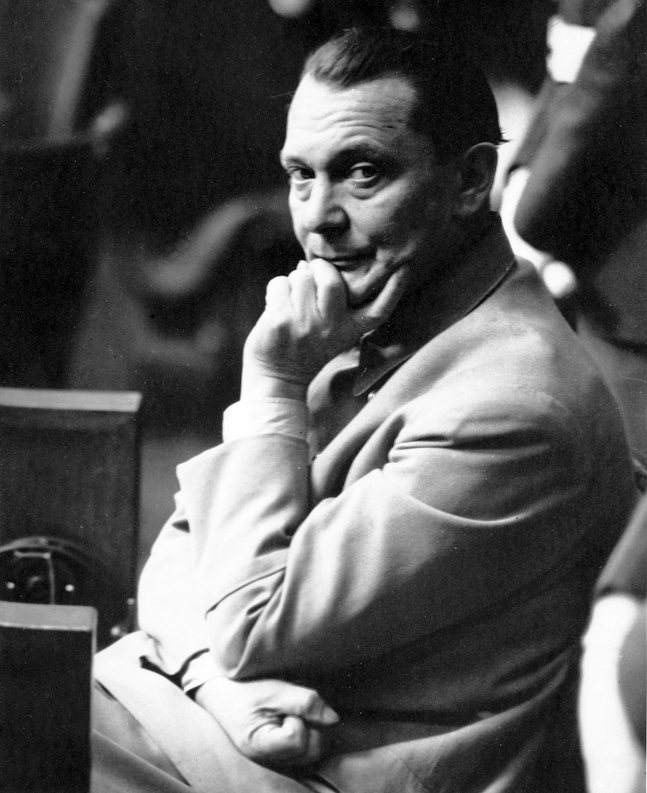
On 15 October 2026, the anniversary of Hermann Göring's death marks 80 years. Göring, one of the central figures of the National Socialist regime, died in 1946 in Nuremberg, only a few hours before his scheduled execution. Eight decades later, his name remains inseparably linked to the history of the Second World War and the Holocaust.
Göring was born in Rosenheim in 1893 and served as a fighter pilot in the First World War. After the war he joined the NSDAP and quickly rose to become one of the most powerful men in the Third Reich. He founded the Gestapo, was significantly involved in the rearmament of the Wehrmacht, and was appointed Commander-in-Chief of the Luftwaffe in 1935. In 1936 he took over the leadership of the Four-Year Plan, which was intended to prepare the German economy for war. In 1940 Hitler appointed him Reichsmarschall, the highest military rank in the Nazi state.
Göring's role in the persecution and murder of European Jews is historically documented. In 1941 he signed the notorious order that initiated the preparation of the "Final Solution to the Jewish Question". After the war he was indicted in Nuremberg before the International Military Tribunal. The trial, which began in 1945, made the crimes of the regime known to a worldwide public. During the proceedings Göring showed no remorse and attempted to shift responsibility onto others.
On 15 October 1946, one day before the execution of his death sentence, Göring took his own life in his cell using a cyanide capsule. The circumstances of his death remain the subject of historical research to this day. The 80th anniversary of his death falls at a time when the memory of the Nazi era and its perpetrators continues to be intensively debated in Germany and across Europe.
The engagement with Göring is part of a broader social debate about how to deal with the National Socialist past. Museums, memorial sites and educational institutions address his person in order to illustrate the mechanisms of power, propaganda and injustice. The aim is not glorification, but historical enlightenment about the structures of the Nazi regime.
The anniversary offers an occasion to reflect on the lessons of history. Historians emphasize that studying perpetrators such as Göring is important in order to understand how a modern society could slide into catastrophe. The remembrance of the victims remains central. In Germany and beyond, commemorative events and educational projects urge that the values of democracy, human dignity and the rule of law be defended.
The scholarly examination of the Nazi era continues. Research into Göring's role in the economy, the Luftwaffe and the persecution of Jews continues to yield new findings. Archives in Germany and other countries make documents accessible that enable a differentiated picture. For the public, the central question remains how historical knowledge can give rise to a living culture of remembrance that stands against every form of extremism and exclusion.
107