Buddhist Kung Fu Nuns Model Living Out Values, Says Vesna Blazhevska
New York communications professional Karunamaya Vesna Blazhevska points to the Drukpa Order's kung fu nuns as an example of belief shaping daily physical practice, service and gender equality.
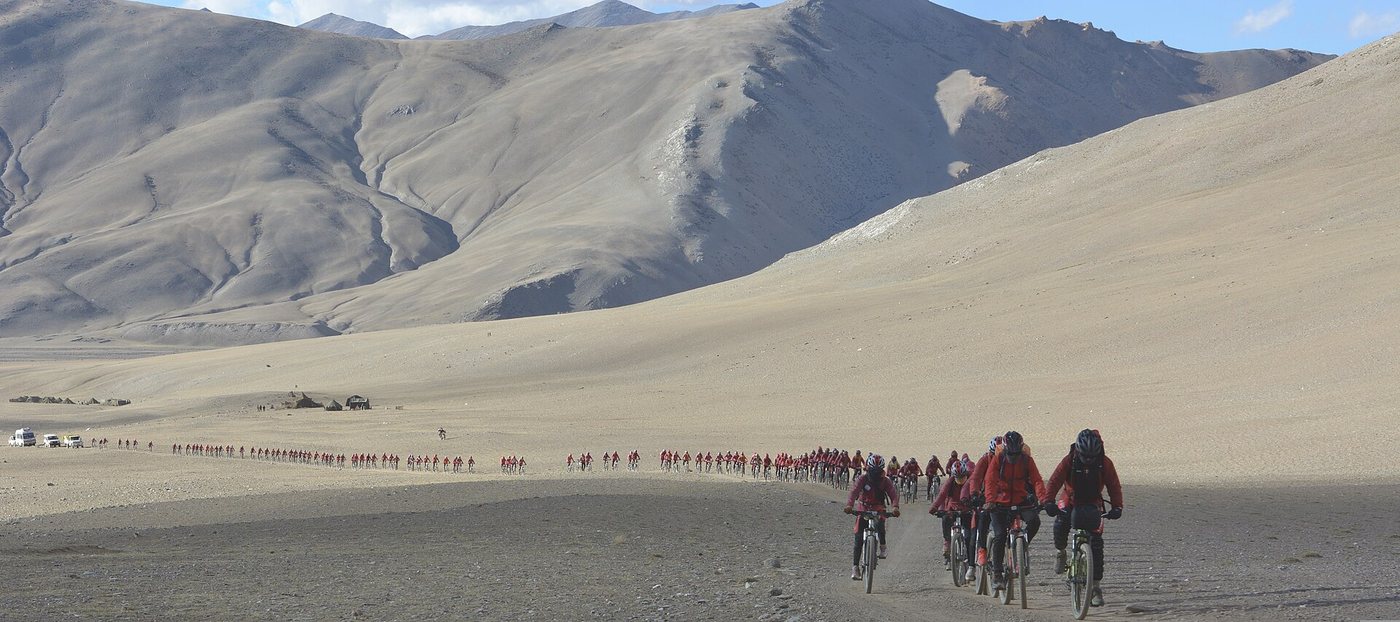
Karunamaya Vesna Blazhevska says the Buddhist nuns of the Drukpa Order, a community based in the Himalayas and known for riding bicycles and motorcycles over long distances and training in kung fu, show what it looks like when belief becomes daily practice. In her view, the nuns challenge the common picture of a nun sitting quietly, and they demonstrate that spiritual life and active physical life need not be kept apart.
The nuns have built a different image of religious life: women who travel long distances by bicycle and motorcycle, include kung fu in their routine, and take on physical work once reserved for monks. Blazhevska, a communications professional based in New York, says the image stays with her because it refuses a separation she sees too often, the idea that spirituality is something quiet and removed from the body. "What I find compelling about these nuns is that they treat the body as part of the practice, not a distraction from it," she said.
Blazhevska's own relationship to physical discipline began early with tennis and gymnastics and later moved toward step aerobics and Pilates. She describes these activities less as hobbies and more as a steady form of attention, a way of giving the body the same respect she tries to give her inner life. "Discipline without a reason behind it tends not to last," she said. In her reading, the nuns' training has a clear purpose: strength, confidence, and the ability to care for themselves and their communities. That purpose, she argues, is what keeps the discipline going.
The nuns' training in a practice long associated with monks is, in Blazhevska's interpretation, a quiet argument for gender equality made through action rather than declaration. "Nobody needs to be told that women can train the same way men do, if they are simply shown doing it," she said. Gender equality is one of the issues she follows closely, alongside environmental and social questions connected to the United Nations Sustainable Development Goals. She believes the nuns' example reflects a lesson from her own work: a visible example often moves people further than an explanation.
The nuns are also known for environmental clean-up efforts and relief work carried out as part of their broader service. Blazhevska says what interests her is less the scale of any single project than the posture behind it, namely people who acted without waiting for a formal program to be designed first. "A lot of environmental responsibility gets treated as something that needs a formal structure before anyone can begin," she said. "Their approach is simpler. If something needs doing in the community around you, you do it."
Blazhevska connects that instinct to her own habits, including a vegetarian diet she has kept since 1991. She describes it not as a campaign but as a personal choice made and maintained, in the same unhurried way she sees in the nuns' daily routines. She has spent years in communications connected to international public service, where she has seen large causes such as climate action, clean energy, education and gender equality lose their audience when they remain abstract. "You can write a great deal about harmony, about equality, about responsibility to the earth," she said. "Or you can show someone living it on a bicycle, in training, in daily service. The second one tends to stay with people longer."
Blazhevska added that her comments reflect her personal views and interests and are not made on behalf of the United Nations, where she has worked as a communications assistant. She is a Communications Assistant based in New York City who holds a degree in Economics from the Faculty of Economics in Skopje, part of Ss. Cyril and Methodius University in North Macedonia. Her interests include climate action, gender equality, sustainable development, and a spirituality centred on peace, harmony and unity among faiths.
Source: thesfnewsjournal.com
7