New Collection Retells Norse Myths from Creation to Ragnarok
Anna Milbourne's Complete Norse Myths presents the full arc of Norse mythology in chronological order, from the world's creation out of ice and fire to the prophesied cataclysm of Ragnarok, with illustrations by Collins.
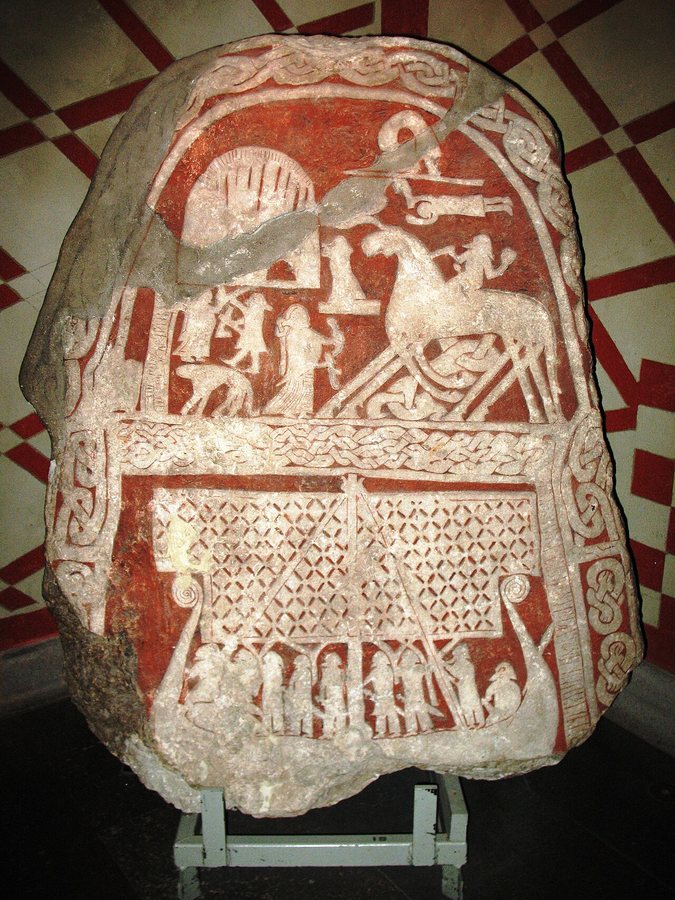
A new collection brings the full sweep of Norse mythology to readers in a single chronological volume. Complete Norse Myths, retold by Anna Milbourne and illustrated by Collins, moves from the creation of the world out of ice and fire through to Ragnarok, the prophesied cataclysm that ends it. The book gathers giants, trolls, Valkyries, witches, gods, elves, dragons, and monsters into a narrative tapestry that mixes adventure, heroism, trickery, betrayal, loyalty, love, magic, wisdom, and triumphant battles.
Each chapter opens with an illustrated character list, a design choice that allows readers to skip around rather than follow the sequence from beginning to end. Along the way, the collection introduces well-known figures such as Odin, Freyja, and Thor, alongside legendary heroes including Ragnar Hairy-breeches. The chronological structure gives the volume a clear arc, tracing the mythology from its cosmic origins to its final destruction.
The book is aimed at younger readers, and its approach reflects that audience. The retelling focuses on action rather than deep commentary or characterization, and the violence of the original sources is toned down. Some details are omitted, a decision that appears to acknowledge the age of the intended readership. One example is the story of Sleipnir, the eight-legged foal: the version here skips over the fact that Loki shape-shifted into a mare, lured away the stallion Svadilfari, mated with him, and gave birth to the creature.
Substantial backmatter rounds out the collection. It includes a brief overview of Norse civilization, traditional sayings, information on runes, and a glossary. A QR code directs readers to a pronunciation guide, a practical addition for names and terms that can be unfamiliar to English-speaking audiences. An overview section explains that these stories have inspired many books, films, and other works, and describes how they are rooted in oral traditions but were written down around the year 1200.
Collins' bright, dynamic artwork is central to the volume's appeal. The illustrations greatly enhance the text and depict characters with a diverse range of skin tones, a choice that broadens the visual world of the myths. The combination of accessible retelling, lively images, and reference material positions the book as an introduction for readers encountering Norse mythology for the first time, while the chronological arrangement offers a coherent journey through its major episodes.
Norse mythology has long held a place in broader culture, and the book's overview notes its influence on later books and films. By presenting the material from creation to Ragnarok in a single illustrated volume, Complete Norse Myths offers a structured entry point into a body of stories that continues to shape contemporary storytelling.
6