Volhynia tests whether European integration can carry unresolved memory
Poland’s speaker says Ukraine must recognize the historical crime as genocide on its EU path. The deeper question is how neighboring societies turn memory into responsibility without destroying solidarity.
European integration is usually described through laws, markets, institutions and treaties. The latest Polish-Ukrainian dispute shows that it is also a project of memory. On August 10, Polish Sejm Speaker Włodzimierz Czarzasty said Ukraine’s path into the European Union must include a reckoning with its history and acceptance of Poland’s characterization of the Volhynia killings as genocide.
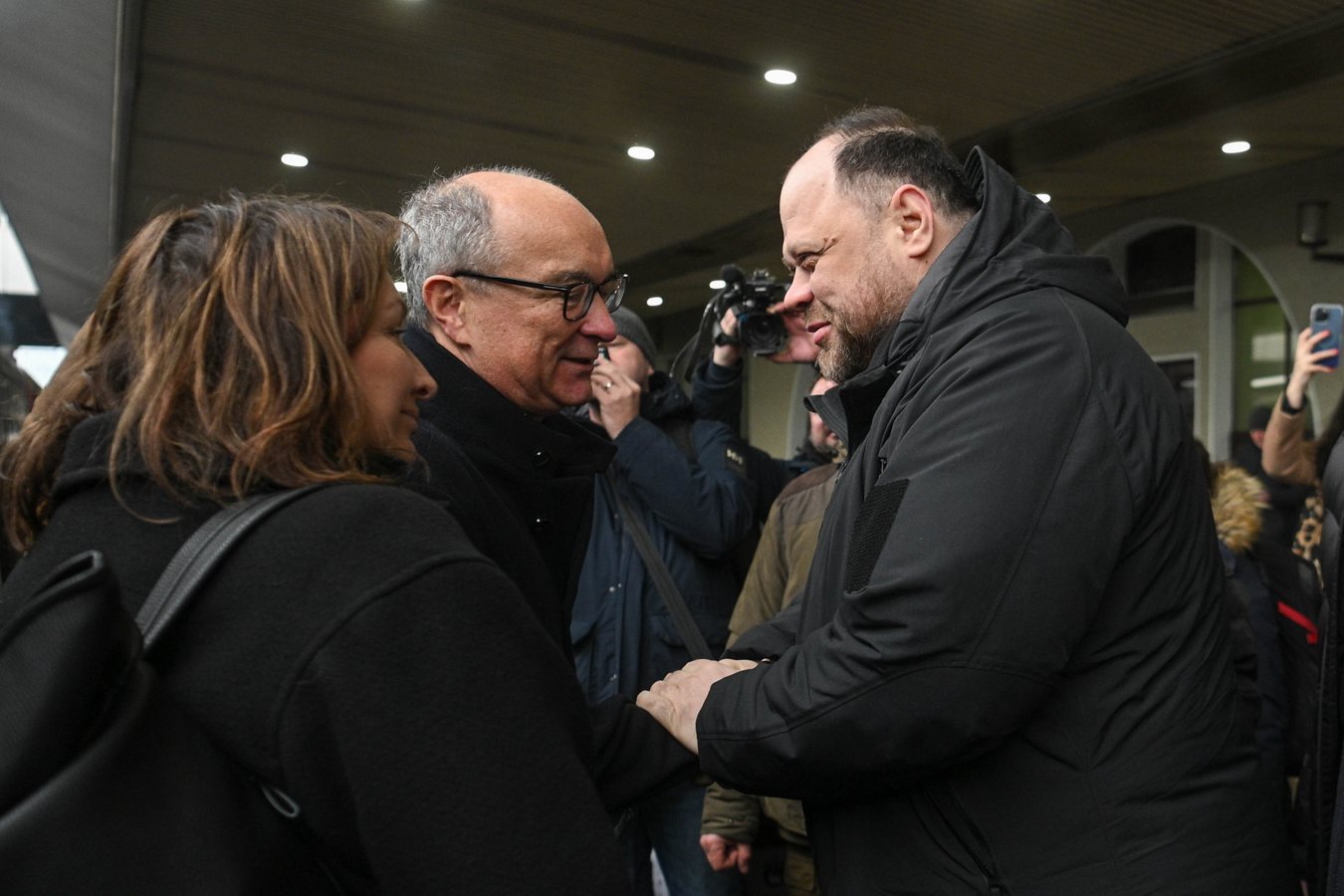
The statement came after Czarzasty met Verkhovna Rada Chairman Ruslan Stefanchuk in Szczawnica. The setting was unusually revealing: the parliamentary leaders were also visiting Ukrainian children affected by the war. Human solidarity in the present and disagreement over the dead of the past occupied the same political space.
Czarzasty did not reject Ukraine’s European future. He said he supports its membership. Earlier this year he signed a declaration with Stefanchuk backing Ukraine’s EU course, and in June he described Ukrainian membership as a vital Polish interest. His new argument is that strategic solidarity cannot require historical silence.
Poland’s official memory framework is already clear. On July 17, the Sejm unanimously adopted a resolution commemorating victims of crimes committed by Ukrainian nationalists and using the term genocide. The vote was 441 in favor, with no opposition or abstentions. For Polish public life, the terminology is no longer confined to a particular political faction.
Ukraine has not simply refused engagement. Its Institute of National Memory announced exhumation-related research at Ostrivky and Volia Ostrovetska in Volyn during July and early August. Work with graves, remains and reburial is a different form of historical responsibility from parliamentary language, but it is no less important. It treats the dead not as symbols but as people whose burial places matter.
The moral difficulty is that memory rarely arrives in symmetrical forms. Nations remember their own dead most intensely and often experience demands from neighbors as accusations against the living. Poland wants recognition that the killing of Polish civilians was a crime of genocidal character. Ukrainians may fear that accepting a single external formulation could flatten a larger history of occupation, resistance, reprisals and suffering on multiple sides.
That is precisely why the political language chosen now matters. Historical truth cannot be reduced to diplomatic convenience. But neither should the dead be turned into instruments for humiliating a neighboring society or weakening cooperation while Ukraine is fighting a war for survival.
Czarzasty’s own comments recognized this tension. After raising the genocide question, he also condemned mistreatment between Poles and Ukrainians and called for rebuilding trust through direct parliamentary communication. The same speech contained a demand for recognition and an appeal against social hostility.
The EU dimension adds pressure. Formal accession rules do not include a specific Volhynia clause. Ukraine is already negotiating membership and has opened two of six thematic clusters. Yet membership ultimately requires unanimous agreement among the member states. Poland therefore has political leverage even without rewriting the EU’s legal criteria.
This makes the dispute a test of what Europeans mean when they speak about values. If values are only conditions imposed on candidates, they become a hierarchy. If they include the willingness of existing members and candidates alike to face uncomfortable history, protect the dignity of victims and resist collective hatred, they can become a shared discipline.
The constructive path is likely to be slow and concrete: open archives, search for graves, exhumation, identification, dignified reburial, careful historical research and language that distinguishes perpetrators, organizations and states from entire peoples. These steps do not guarantee agreement on one legal word, but they create the conditions under which an agreement can become meaningful rather than coerced.
Volhynia is therefore more than a dispute about whether Ukraine passes a Polish test before joining the EU. It asks whether two neighboring societies can carry grief into a common political future without asking the future to erase the past. European integration will be stronger if the answer is built through truth and responsibility rather than through either amnesia or inherited hostility.
62