Parenting Across Generations: From Outdoor Naps to 24/7 Apps
A new debate contrasts the hands-off parenting of the 1960s with today's tech-reliant mothers, raising questions about which approach truly serves children best.
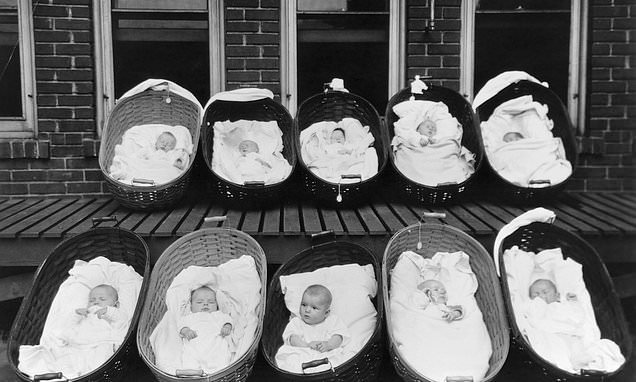
A fresh debate over parenting styles is pitting the free-range childhoods of the 1960s against the app-driven, hyper-connected methods of today's mothers. The contrast — babies left outside in prams to nap versus mothers relying on smartphones around the clock — has reignited a broader cultural conversation about what children actually need to thrive.
In the 1960s, it was common practice in parts of Europe and North America to leave infants outdoors in prams to sleep, often in freezing temperatures. Parents trusted fresh air and independence as cornerstones of healthy development. Neighbors kept an eye out, but formal supervision was minimal. That era's approach reflected a wider cultural confidence in nature, community, and a certain stoic resilience.
Today, the picture looks very different. Many mothers now depend on a suite of digital tools — sleep-tracking apps, feeding logs, milestone alerts, and instant-access parenting forums — to guide decisions that previous generations made by instinct or tradition. The smartphone has become a constant companion, offering reassurance but also generating new anxieties. Every cry, nap, and ounce of milk can be measured, analyzed, and compared against norms.
Proponents of the older model argue that children raised with more independence and outdoor time developed stronger immune systems, better self-regulation, and a greater sense of autonomy. They point to the rise in structured activities and screen-based entertainment as evidence that modern childhood has lost something essential. The image of a baby napping alone in a pram, once unremarkable, now strikes many as either negligent or admirably bold.
Yet defenders of today's tech-savvy parenting note that the world has changed. Safety concerns, urban density, and heightened awareness of risks — from traffic to stranger danger — make the old ways impractical for many families. Apps and online communities can provide vital support, especially for isolated parents or those without extended family nearby. They offer evidence-based guidance that can reduce guesswork and prevent harmful practices.
The debate also touches on deeper questions about trust: trust in children, trust in community, and trust in oneself. The 1960s parent often relied on intergenerational wisdom and local networks. The 2020s parent may live far from relatives and turn to algorithms instead. Neither approach is without blind spots. The outdoor nap could go wrong; the app can feed anxiety or replace intuition with data.
What emerges is not a simple verdict but a recognition that parenting has always been shaped by its era's tools and terrors. The 1960s had its own pressures — conformity, limited information, and fewer legal protections. Today's parents face information overload and a culture of intensive scrutiny. The question of which generation got it right may be less useful than asking what each can learn from the other.
Some contemporary parents are already blending the two: using technology for practical logistics while deliberately carving out unstructured, outdoor time. They track sleep but also let children roam. They consult apps but also trust their own observations. This hybrid approach suggests that the best parenting may not belong to any single generation, but to those willing to adapt.
Ultimately, the debate reflects enduring tensions between freedom and safety, tradition and innovation, community and individualism. As families navigate these crosscurrents, the focus remains on the same goal: raising children who are healthy, resilient, and loved. Whether that happens with a pram in the snow or a monitor on the nightstand, the measure of success lies in the child, not the method.
2