Woody Allen at 90: «Retirement is for people who have spent their whole lives hating what they did»
The filmmaker, who turned 90 in December 2025, continues to write, direct and play jazz, rejecting retirement as a solution to a problem he never had. His remark raises questions about work, vocation and the privilege of choosing what one does.
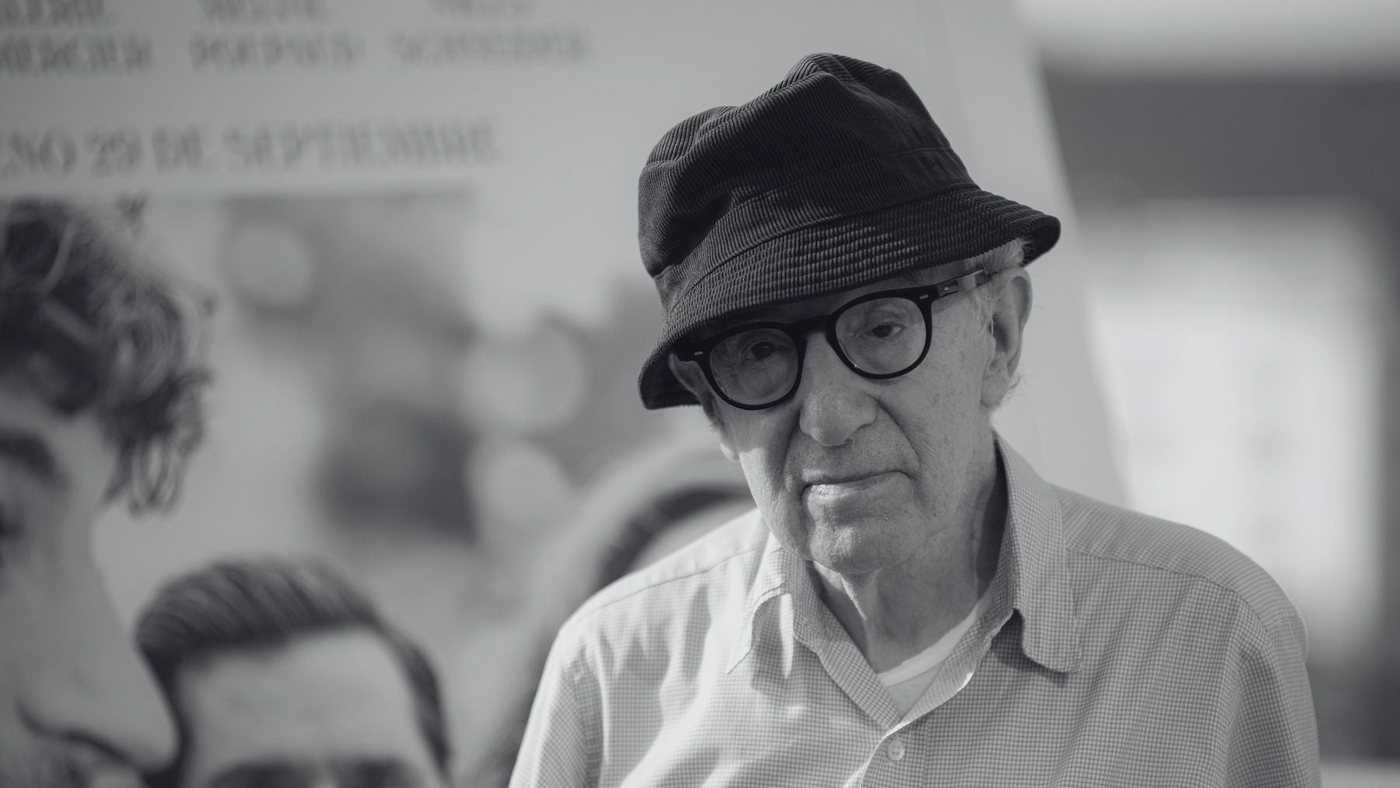
Woody Allen turned 90 in December 2025 and shows no intention of slowing down. The director of more than 50 films, from «Annie Hall» to «Rifkin's Festival», has spent decades answering questions about retirement with a consistency that challenges conventional expectations about what someone of his age should do. His most direct response leaves little room for ambiguity: «Retirement is for people who have spent their whole lives hating what they did.»
The remark is not merely a statement about his own relationship with cinema. It is an assertion about the nature of well-chosen work and about what happens when a person finds something they cannot distinguish from the rest of their existence because it is organically part of it. The idea of retirement as a reward — the moment when one can finally stop doing what one was doing — presupposes that the work was a burden. It is a sacrifice tolerated for decades in exchange for a salary, security, and the possibility of reaching a final point where time becomes one's own again.
That model makes sense for those who experienced work as something external to themselves, an obligation unrelated to what they really wanted or needed to do. But there is another, rarer relationship with work in which the question of when to retire becomes meaningless because there is no clear separation between what one does and what one is. For Allen, writing scripts and directing films is not what he does to earn a living. It is how his mind works, the channel through which he processes the world, the only activity that holds his interest long enough to complete it.
What the phrase does not mention is that this relationship with work is also the result of a combination of circumstances not available to everyone. Talent, luck, the right historical moment and, above all, the possibility of having freely chosen one's activity are conditions many people never had and never will have. Someone who spent decades on an assembly line, in a job they did not choose or in an occupation unrelated to what mattered to them did not choose to hate what they did. They arrived at that job because it was what existed, because their environment offered nothing else, because circumstances left no room for anything different. For those people, retirement is not the consequence of having hated their work. It is the first real opportunity to live differently.
That said, Allen's remark does not aim to judge those who retire. It aims to explain why he does not. And in that narrower sense, it says something true: those who work at what they love do not need to be told when to stop. What makes his position especially significant is the consistency with which he has maintained it throughout his career. He has not moderated his pace with age, spaced out his projects or spoken of taking a break. He has continued writing, directing and, when he can, playing clarinet on Monday nights at a New York jazz club with the same regularity as always.
At 90, retirement remains for Woody Allen a solution to a problem he never had. His stance invites reflection on the moral questions behind contemporary life: the meaning of work, the dignity of choice, and the unequal conditions under which people find or fail to find a vocation. In a culture that often treats retirement as the reward for endurance, his words serve as a reminder that for some, the reward was always the work itself.
4