Tech Backlash Reaches Theaters as Hollywood Turns Critical of Silicon Valley
A wave of new films in 2026 takes a sharply critical look at tech founders, from Mark Zuckerberg to Elizabeth Holmes and Elon Musk, reflecting a broader cultural reckoning with Silicon Valley's influence.
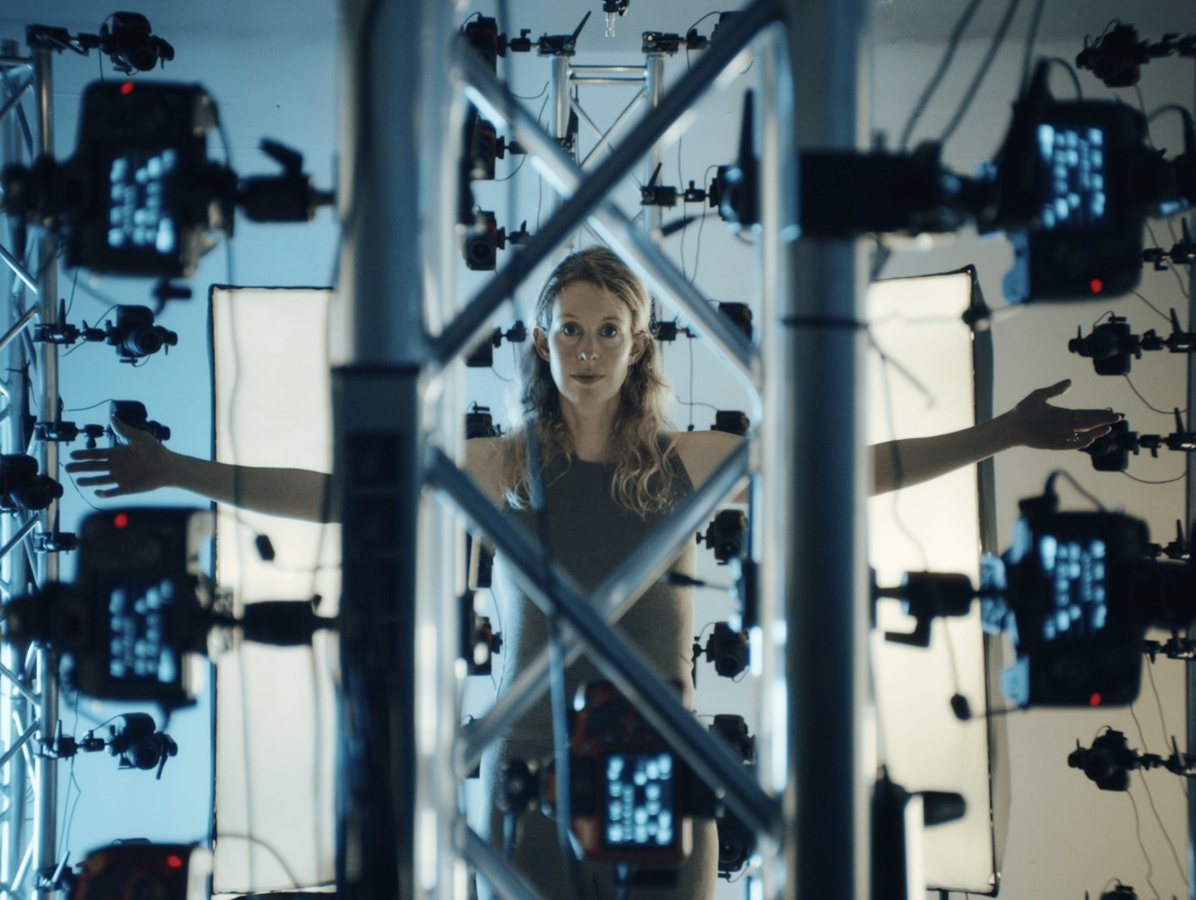
Hollywood has long been fascinated by the myth of the visionary tech founder, but a new crop of films arriving in 2026 is turning that fascination into indictment. According to a report by The Verge, this year has seen an unusually dense lineup of features that scrutinize how Silicon Valley is reshaping reality, marking a shift in the cultural narrative around technology and its leaders.
Aaron Sorkin's The Social Reckoning portrays Mark Zuckerberg as a robotic villain whose ambitions are destabilizing society. The film is part of a broader trend that reexamines the legacies of figures once celebrated as innovators. Nathan Fielder and Lance Oppenheim's You Can See Everything offers a damning portrait of Theranos founder Elizabeth Holmes as she prepares for her ongoing stint in prison, underscoring the consequences of fraudulent tech promises.
The changing portrayal of Elon Musk is perhaps the most visible sign of this cultural turn. After years of being widely celebrated as a visionary, Musk's public image has shifted in projects like Alex Gibney's documentary, which takes a more critical stance. This revaluation reflects growing public skepticism about the power and ethics of tech billionaires.
These films are not isolated artistic choices but symptoms of a wider societal reckoning. As technology becomes ever more embedded in daily life, questions about privacy, automation, and the concentration of wealth and influence in Silicon Valley have moved from niche concerns to mainstream debate. Cinema, with its unique ability to shape public perception, is now amplifying those questions.
The timing is notable. The 2026 slate arrives after years of scandals, regulatory hearings, and growing unease about the role of social media and artificial intelligence in politics and culture. By dramatizing the lives of founders like Zuckerberg, Holmes, and Musk, these films invite audiences to reconsider the stories they have been told about progress and innovation.
For viewers, the appeal may lie in seeing behind the curtain of tech mythology. For the industry, the trend suggests that the era of uncritical hero worship may be ending. Whether this backlash will influence policy or public behavior remains to be seen, but its presence in theaters signals that the cultural conversation around technology has entered a new, more skeptical phase.
8